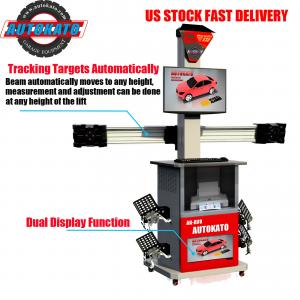

What Does a Four-Wheel Aligner Do?
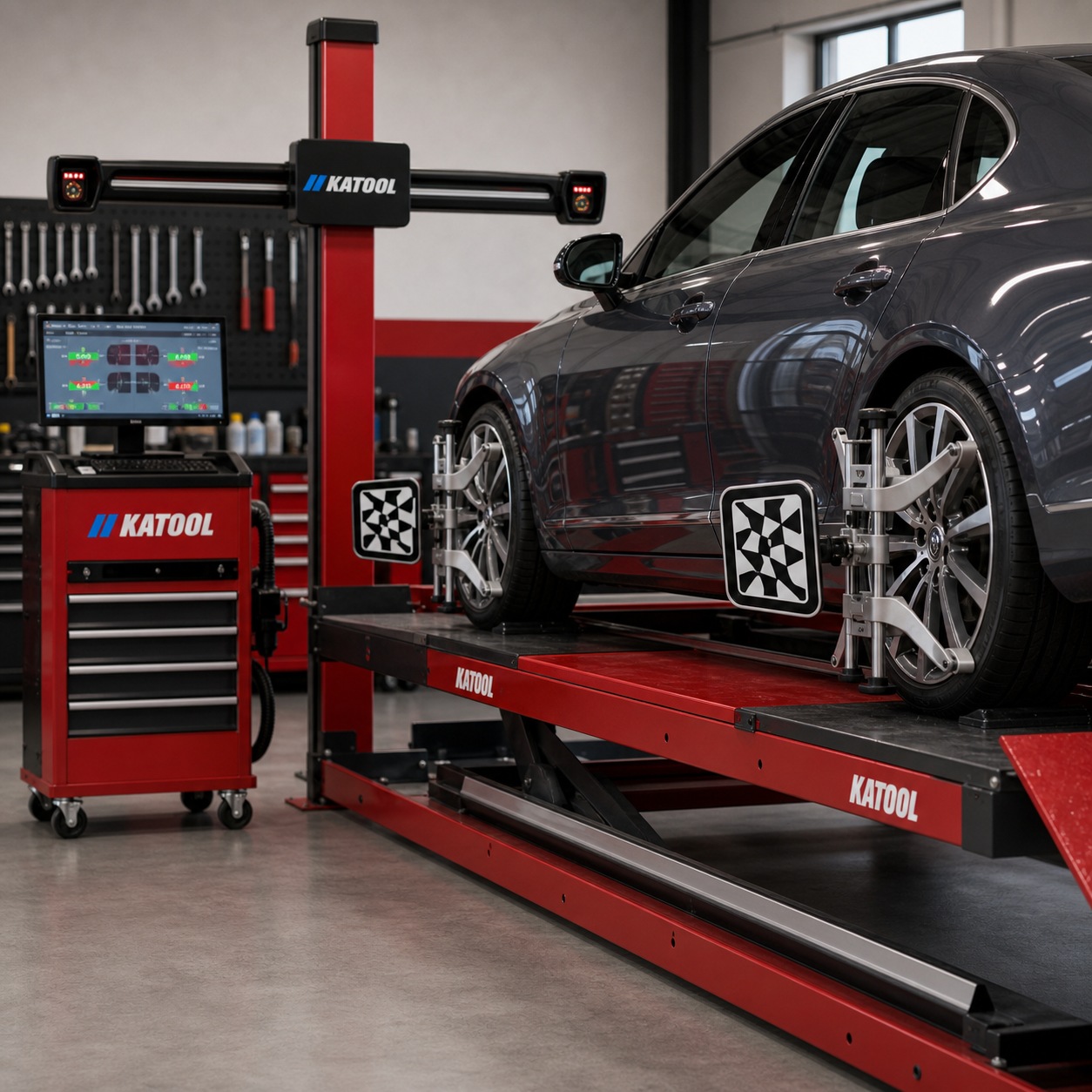
What Does a Four-Wheel Aligner Do?
A four-wheel aligner is a machine used to measure wheel angles and support accurate alignment adjustments on a vehicle. It helps workshops check whether the wheels are positioned correctly relative to one another and to the vehicle body.
Measure Key Wheel Angles
The aligner reads important values such as toe, camber and caster, depending on the vehicle design and equipment setup. These measurements help technicians understand how the vehicle will track, steer and wear its tires.
Support More Accurate Adjustments
With clear measurement data, technicians can make controlled adjustments instead of guessing from symptoms alone. This improves service precision and helps resolve issues such as steering pull, unstable handling and uneven tire wear.
Help Shops Diagnose Chassis-Related Problems
A four-wheel aligner can also help identify whether the vehicle has geometry changes that may be related to road impact, suspension wear or previous repair work. This makes it a valuable diagnostic tool as well as a service machine.
Improve Tire Life and Driving Stability
When alignment is corrected properly, the vehicle usually tracks straighter, feels more predictable and places the tire contact patch in a better working position. That supports both ride quality and longer tire life.
An Important Tool for Modern Workshops
As more vehicles require precise chassis service, alignment equipment has become an essential part of professional garage operations. A dependable four-wheel aligner adds both service capability and customer confidence.
Better Equipment Helps Deliver Better Results
The aligner itself does not solve every handling issue, but it provides the data needed for skilled technicians to do the job correctly. In that way, it plays a central role in accurate and professional wheel alignment service.