A Simple Guide to Wheel Alignment Service
A Simple Guide to Wheel Alignment Service
Wheel alignment service is one of the most practical ways to protect tires and improve steering stability. This simple guide explains why alignment matters and what signs usually show when a vehicle needs attention.
What Alignment Service Adjusts
Wheel alignment focuses on the position of the wheels relative to the vehicle and the road. When those angles drift out of specification, tire wear and steering quality often suffer.
Common Signs of Misalignment
Pulling to one side, an off-center steering wheel and uneven tread wear are among the most common signals. These symptoms may develop gradually, so many drivers do not notice them right away.
Why Tire Wear Changes So Quickly
Poor alignment causes the tire to contact the road unevenly, which increases wear in specific areas of the tread. Correcting alignment earlier can help preserve tire life and reduce replacement cost.
When Shops Should Recommend a Check
Alignment checks make sense after suspension work, curb impact, pothole damage or anytime the driver reports pull and unstable handling. Routine tire service is also a useful time to review alignment condition.
How Good Equipment Supports Better Results
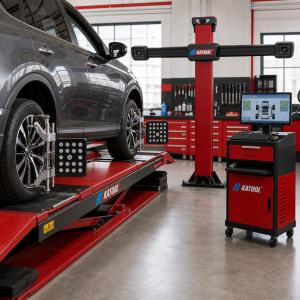
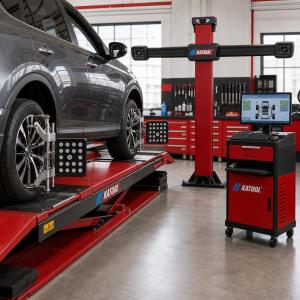
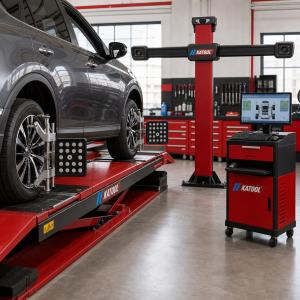
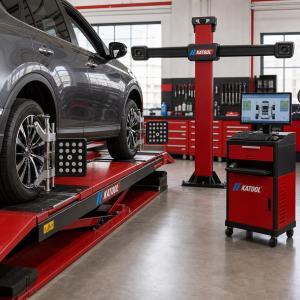
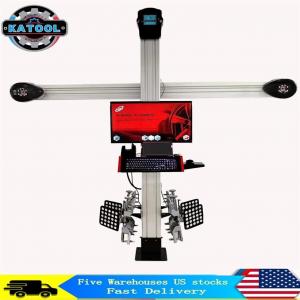
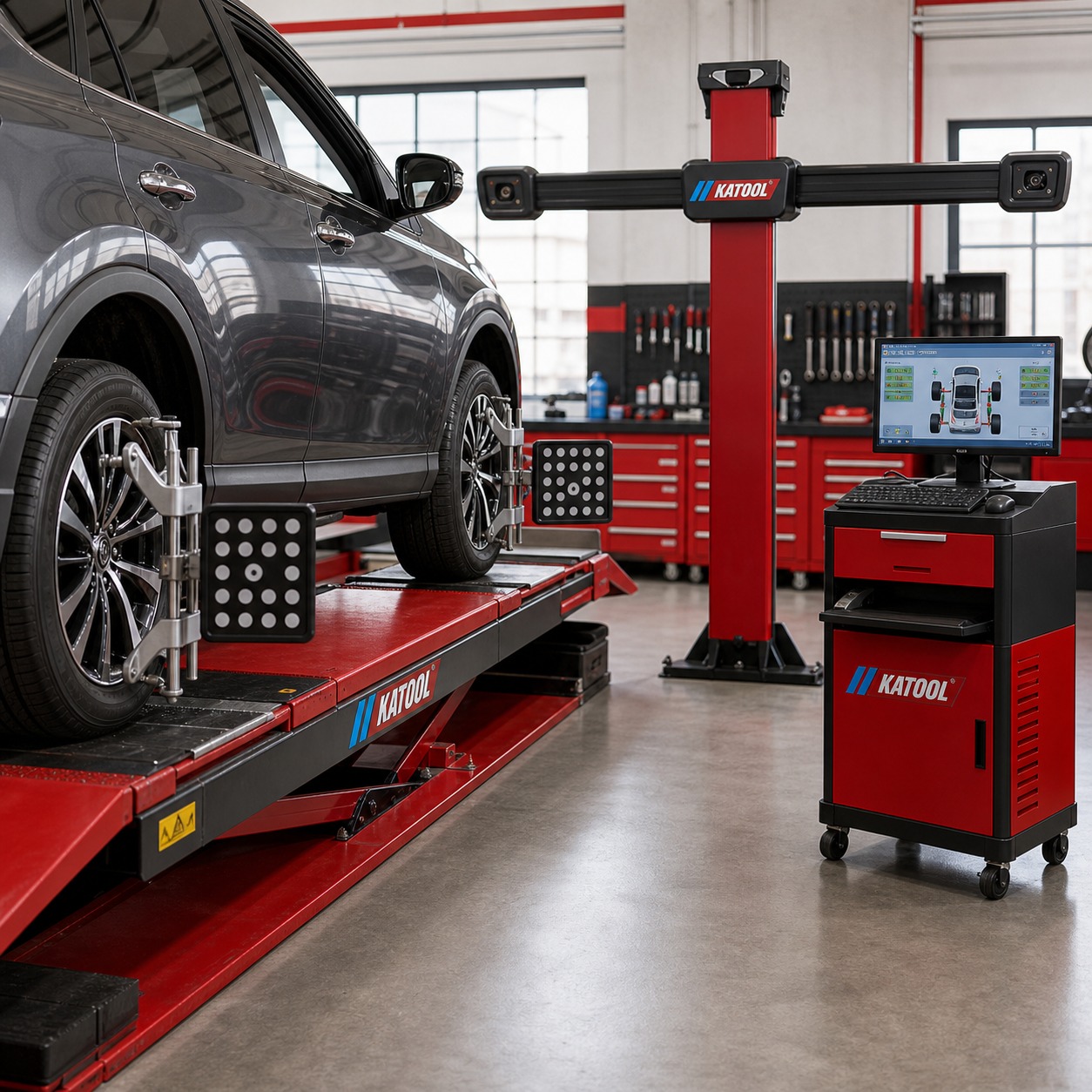
Accurate alignment depends on proper lift setup, stable wheel clamps and dependable measurement procedure. Good equipment helps technicians solve the real problem instead of relying only on symptoms.
Conclusion
A simple understanding of alignment service makes it easier to protect tire life and improve daily driving comfort. That is why alignment remains a valuable part of regular vehicle care.