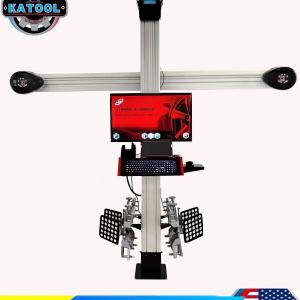

Wheel Alignment Basics and Service Information
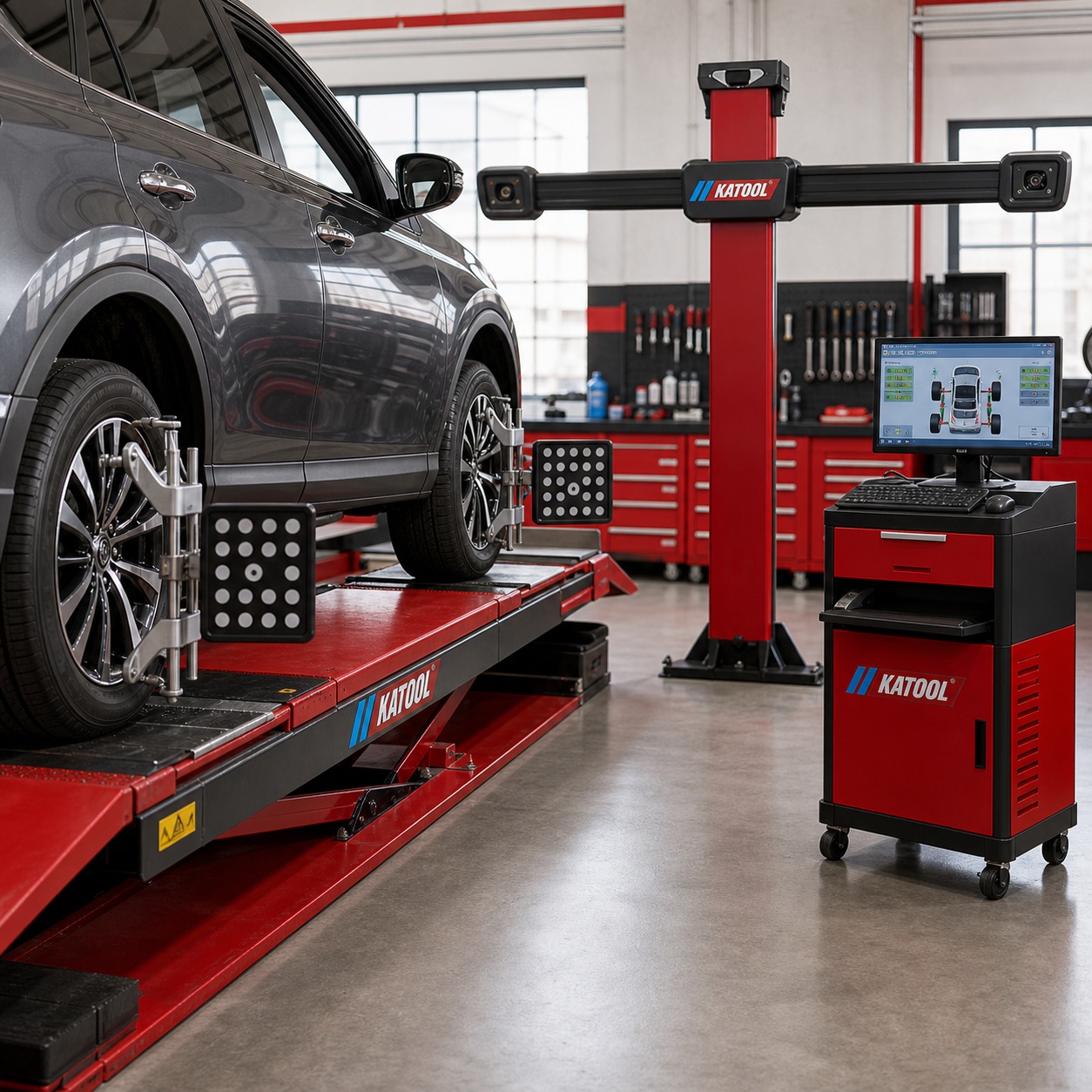
Wheel Alignment Basics and Service Information
Wheel alignment service helps make sure the wheels are positioned correctly so the vehicle can drive straighter, handle more predictably and wear tires more evenly. Understanding the basics makes it easier to explain the value of alignment work to both operators and customers.
What Wheel Alignment Involves
Alignment measures important wheel angles and compares them with the intended vehicle settings. Technicians then adjust the suspension geometry where possible to improve straight-line tracking and tire contact with the road.
Why Alignment Service Matters
Misalignment can lead to uneven tire wear, steering pull and reduced driving comfort. Proper alignment service helps correct these issues and supports a more stable on-road experience.
Common Signs a Vehicle Needs Alignment
Drivers may notice a crooked steering wheel, the car pulling to one side or unusual tire wear patterns. These signs often suggest that alignment should be checked as part of routine maintenance or diagnostic work.
Good Equipment Supports Better Results
Alignment quality depends on dependable measuring equipment and a consistent service process. Clear readings and proper setup help technicians make more accurate adjustments.
Service Should Include Vehicle Inspection
Before final adjustment, the shop should consider tire condition and visible steering or suspension wear. Alignment results are more useful when the vehicle itself is in suitable service condition.
Alignment Knowledge Improves Service Value
Whether for shop owners, technicians or equipment buyers, understanding wheel alignment basics creates better decisions and stronger service communication. It remains an important part of modern workshop capability.