Wheel Alignment Basics Every Driver Should Know
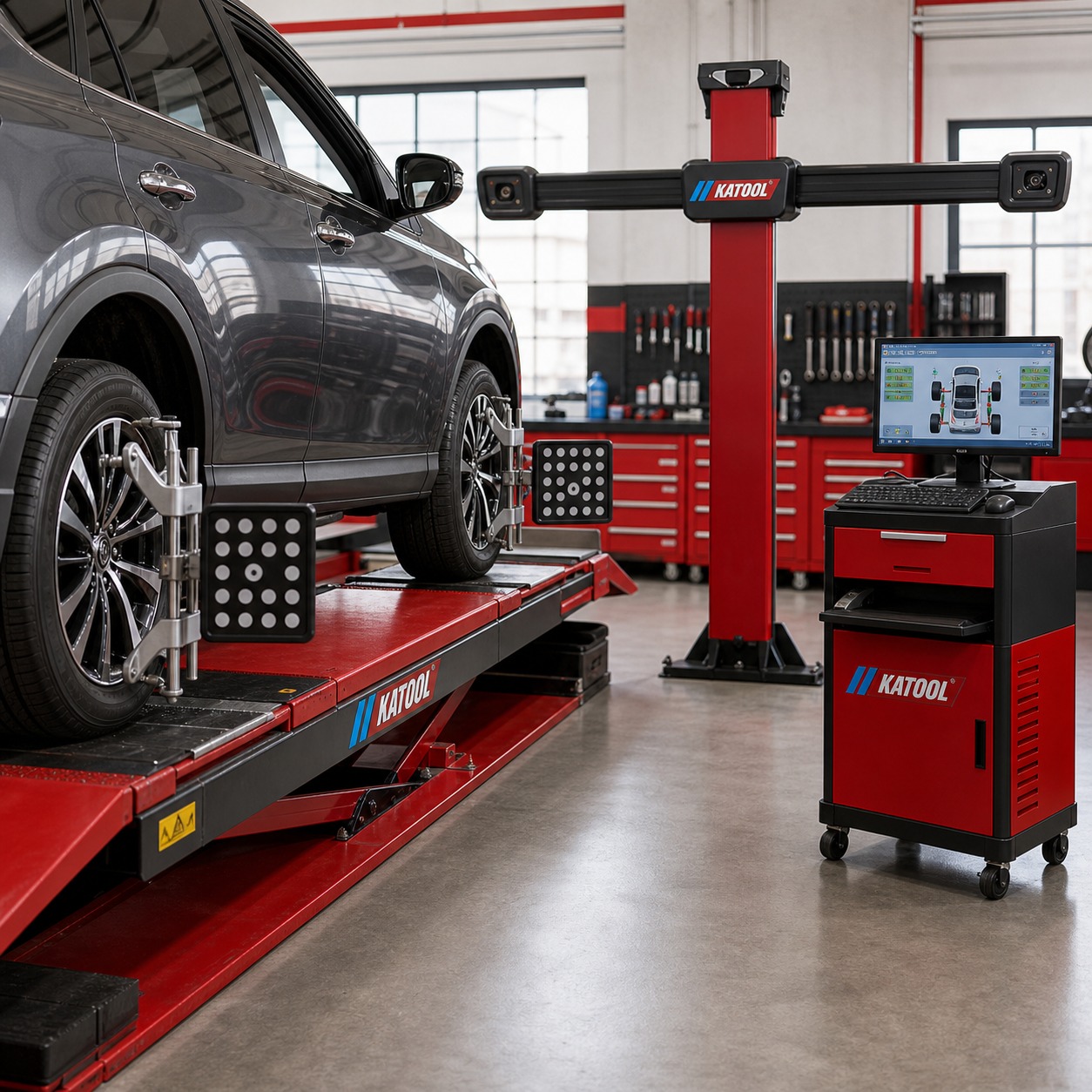
Wheel Alignment Basics Every Driver Should Know
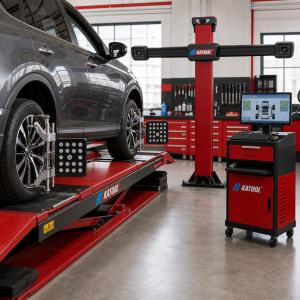
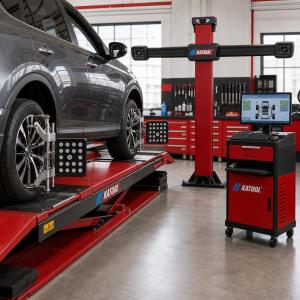
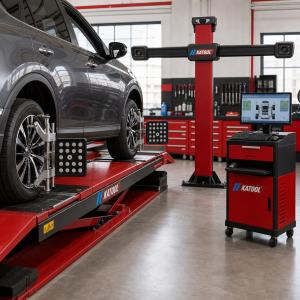
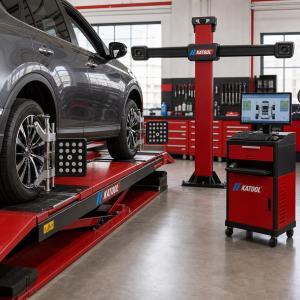
Wheel alignment is one of those services many drivers hear about without fully understanding. The basics are simple: alignment affects how the tires contact the road, how the steering feels and how stable the vehicle remains during normal driving.
Alignment Influences Tire Wear
If the wheel angles are not correct, the tread may wear unevenly and lose useful life early. This is why alignment is often recommended when tire wear begins looking unusual.
Steering Feel Is a Common Clue
A vehicle that drifts, pulls or feels off-center may need alignment attention. These symptoms are often easier for drivers to notice than the underlying geometry issue itself.
Road Impact Can Change Alignment
Potholes, curbs and rough daily driving can slowly or suddenly affect wheel position. Even without obvious damage, the alignment may still need to be checked.
Repairs Often Lead to Alignment Service
Suspension and steering repairs can change the relationship between the wheels and the vehicle body. Alignment helps restore the intended handling after those components are replaced.
Preventive Checks Can Save Money
Catching alignment problems early often prevents faster tire wear and repeated handling complaints. In many cases, small corrections are much easier than waiting until the symptoms are severe.
Conclusion
Basic alignment awareness helps drivers protect both tires and road comfort. It is a simple topic that can make a noticeable difference in daily vehicle care.