How Alignment and Dynamic Balancing Support Tire Performance
How Alignment and Dynamic Balancing Support Tire Performance
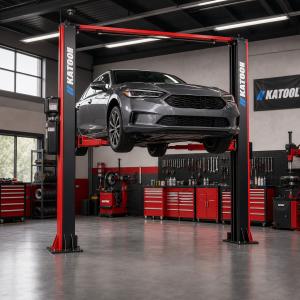
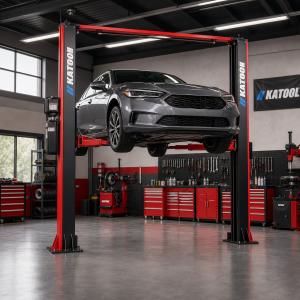
Alignment and dynamic balancing address different problems, but together they play a major role in tire performance. One helps the tire meet the road correctly, while the other helps the wheel and tire rotate more smoothly at speed.
Alignment Supports Correct Road Contact
When wheel angles are correct, the tire can wear more evenly and the vehicle can track more naturally. Alignment mainly influences steering feel, straight-line behavior and tread wear pattern.
Dynamic Balancing Supports Smooth Rotation
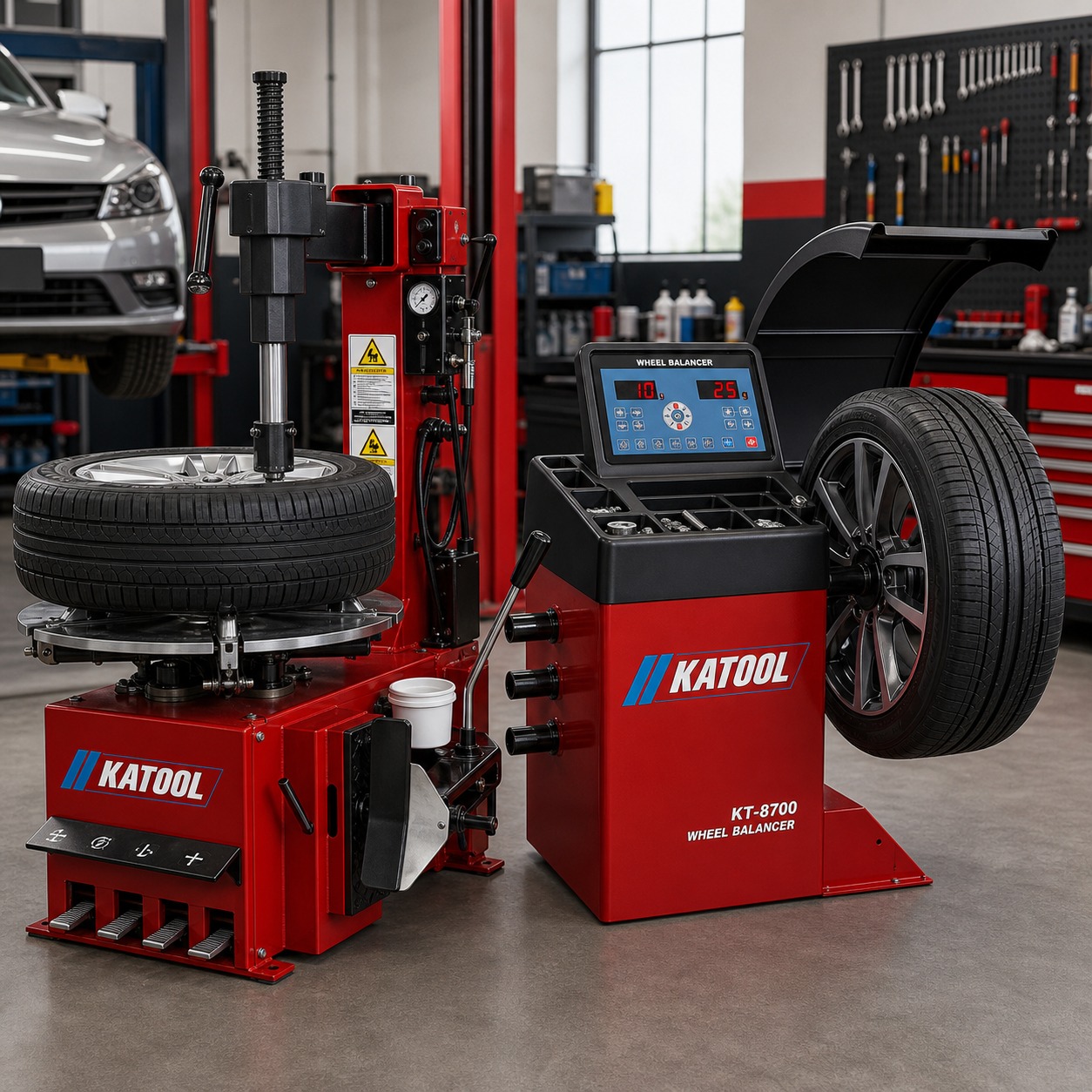
Balancing focuses on how the wheel and tire assembly spins. A properly balanced wheel reduces vibration and helps improve comfort during everyday driving.
Both Services Protect Tire Value
If alignment is poor or balance is off, the tire may not perform as intended. Combining both services helps the workshop protect tread life and reduce avoidable customer complaints.
Useful During Tire Replacement and Related Service
Tire installation, suspension repair and handling complaints are all common times to review both alignment and balancing. Together they create a more complete wheel service package.
Better Service Comes from Understanding the Difference
Shops that explain how alignment and balancing solve different issues often help customers make better decisions. Clear explanation improves trust and supports stronger long-term service value.
Conclusion
Alignment and dynamic balancing work best as complementary services. Together they help support smoother driving, better tire life and more consistent road performance.
Related KATOOL resources: KATOOL wheel balancers and wheel balancer buying guide.