Car and Truck Tire Changers for Workshop Applications
Car and Truck Tire Changers for Workshop Applications
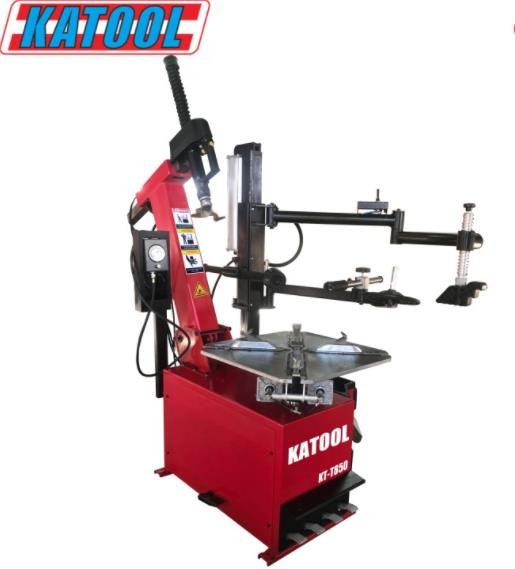
Workshops that handle a mix of passenger vehicles and larger commercial wheels need tire equipment that matches real demand. Understanding the difference between car and truck tire changers helps shops invest in the right service capability.
Passenger Vehicle and Truck Work Create Different Demands
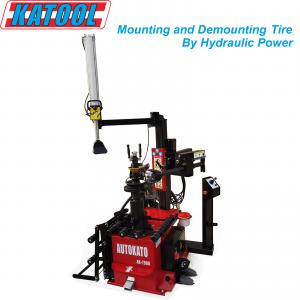
Car tire changers are often designed for faster high-volume wheel service, while truck tire changers focus on heavier assemblies and more demanding control requirements. Choosing between them starts with the wheels your shop sees most often.
Machine Design Should Match Wheel Size Range
The larger and heavier the wheel and tire assembly, the more important stable handling and proper support become. Equipment selection should reflect both current workload and realistic future business direction.
Ease of Use Matters in Daily Service
A machine that supports cleaner clamping, more predictable movement and comfortable operator control can improve workflow significantly. This is especially valuable in shops where tire work is a regular source of revenue.
Durability and Service Support Should Be Reviewed
Tire service machines work hard every day, so long-term reliability is a major factor. Shops should consider build quality, wear part availability and after-sales support as part of the buying decision.
Think About Full Tire Bay Layout
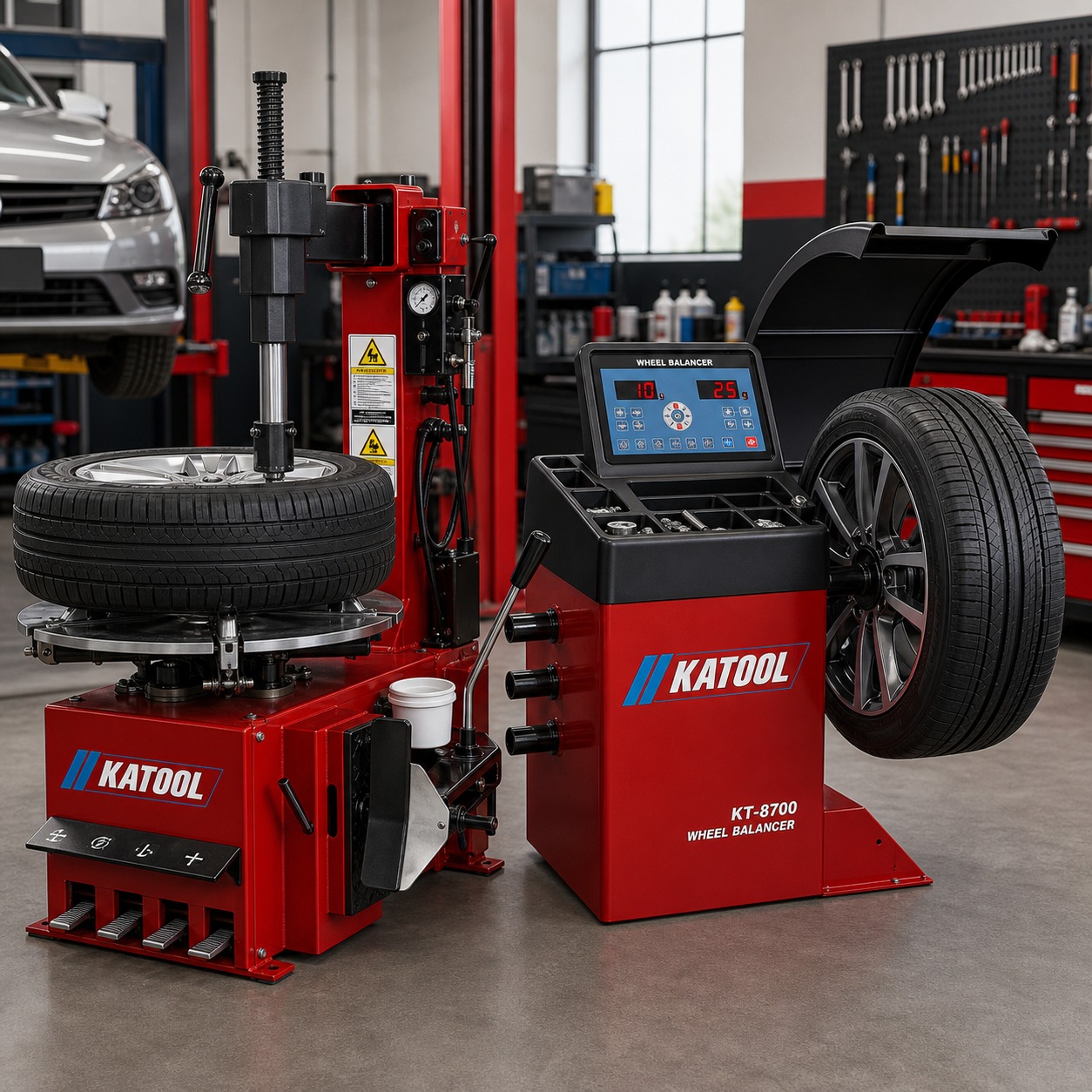
A tire changer works best when it fits naturally with balancing equipment, workbench placement and vehicle flow into the service area. Good layout planning helps the entire bay perform better, not just the individual machine.
Conclusion
The right tire changer depends on the wheel sizes, service volume and business goals of the workshop. Matching machine capability to real application is the smartest path to long-term value.