Common Tire Changer Mistakes and How to Avoid Them
Common Tire Changer Mistakes and How to Avoid Them
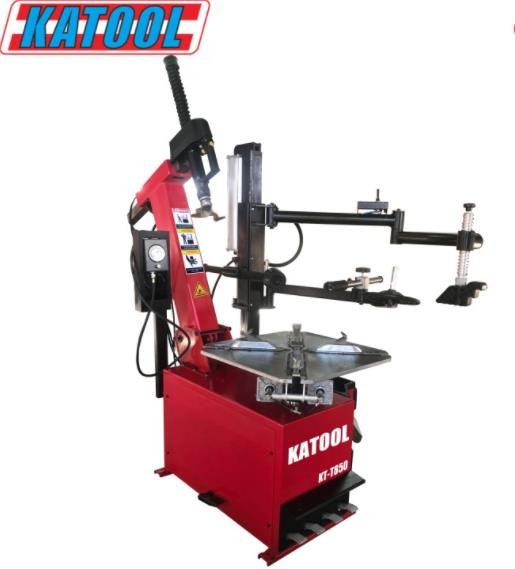
A tire changer is designed to make wheel service faster and more controlled, but poor operating habits can still lead to wheel damage, slower workflow and avoidable wear on the machine itself. Understanding common mistakes helps technicians improve both safety and service quality.
Skipping Proper Wheel Preparation
One of the most common mistakes is starting too quickly before the wheel is clean and the tire is fully deflated. Good preparation makes the rest of the process smoother and helps reduce unnecessary stress on the tire changer.
Using Incorrect Clamp or Tool Position
If the wheel is not clamped securely or the mount head is positioned poorly, the chance of wheel damage increases. Correct setup improves operator control and protects the wheel during bead work and tire removal.
Forcing the Tire Instead of Following the Process
Technicians sometimes rush the machine and try to force the tire through a difficult step. A controlled service sequence is usually faster in the long run because it reduces mistakes and repeat work.
Ignoring Daily Cleaning and Inspection
A tire changer that stays dirty or goes too long without inspection is more likely to develop operating issues. Simple maintenance helps the machine remain predictable and easier to use during busy tire service days.
Treating Every Wheel the Same Way
Different wheel sizes, tire profiles and wheel finishes often need slightly different handling. Shops that adapt their routine to the job usually see cleaner results and fewer customer complaints.
Conclusion
Autokato Engineering supplies KATOOL garage equipment for practical workshop use, including car lifts, wheel alignment systems, tire changers and related service equipment.