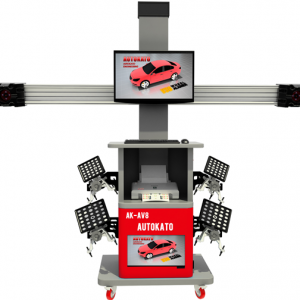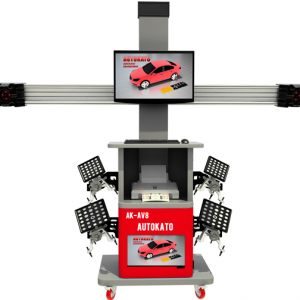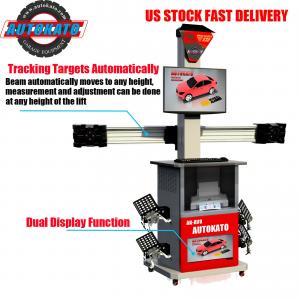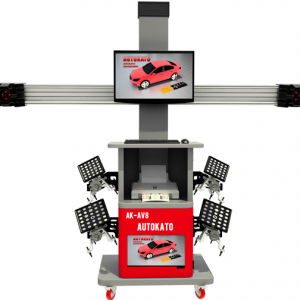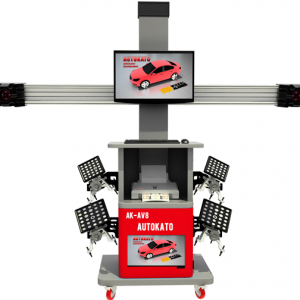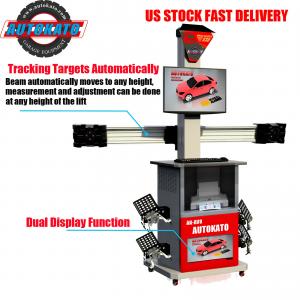
Four-Wheel Aligner Functions and Technical Specifications
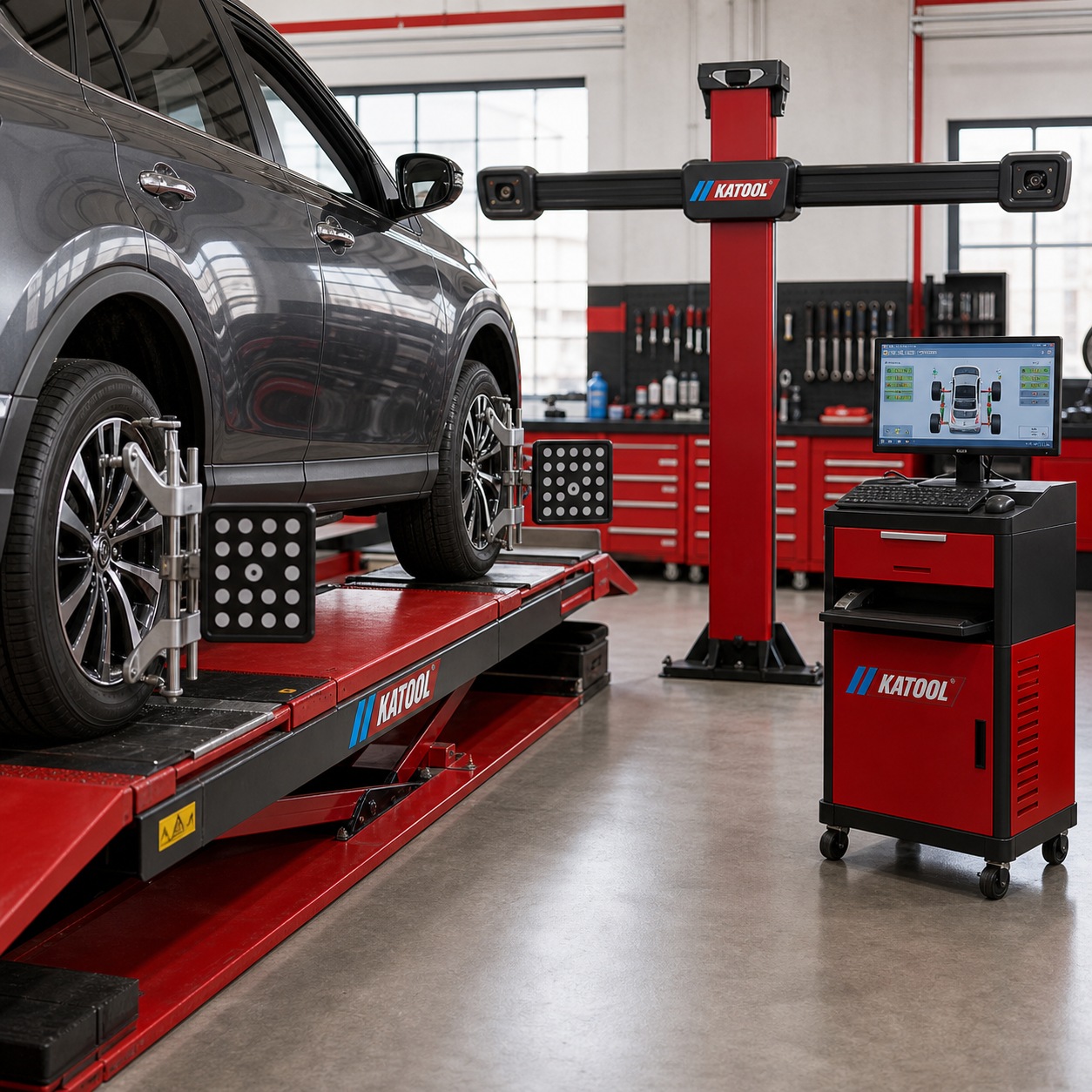
Four-Wheel Aligner Functions and Technical Specifications
A four-wheel aligner is more than a basic measuring device. It combines sensors, targets, software and display systems to help workshops read wheel angles accurately and complete alignment service more efficiently.
Core Function: Measure Alignment Angles
The main function of a four-wheel aligner is to measure values such as toe, camber and caster so technicians can understand the geometry of the vehicle. These readings provide the foundation for professional adjustment work.
Support Full Vehicle Alignment Workflow
A good system does more than show numbers. It helps guide the technician through setup, compensation, reading and adjustment steps, making the alignment process more organized and repeatable.
Display Clarity and Data Presentation Matter
Technical specifications should include a clear display system and practical software interface. Easy-to-read alignment data helps operators work faster and reduces confusion during busy shop conditions.
Stable Targets and Measuring Hardware Improve Accuracy
The quality of cameras, sensors, targets or wheel clamps affects how dependable the readings will be. Stable hardware is an important part of strong alignment performance and long-term equipment value.
Compatibility with Shop Workflow Is Important
Rack layout, console design and physical operating space all influence how well the aligner fits into the service bay. Technical specifications should be considered alongside the real working environment of the shop.
Choose Specifications That Match Service Goals
The best four-wheel aligner is not just the one with the most features, but the one that supports your vehicle mix, technician needs and expected service volume. Matching functions to practical shop use leads to better equipment decisions.