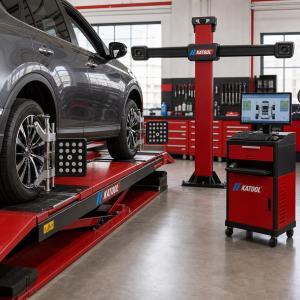
How Often Should You Get Wheel Alignment Service?
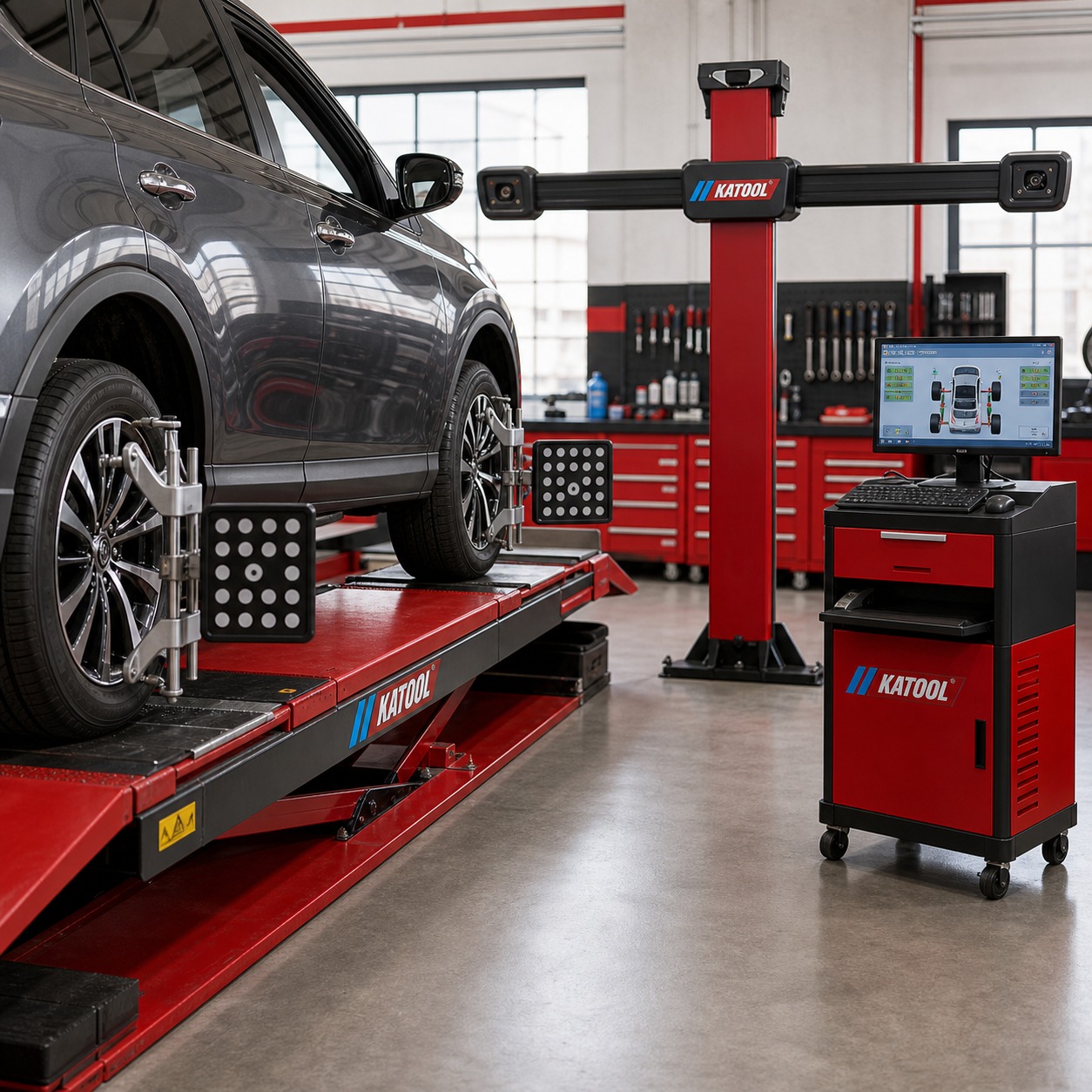
How Often Should You Get Wheel Alignment Service?
Wheel alignment does not always fail on a fixed schedule, which is why many drivers are unsure when to have it checked. The best timing depends on tire condition, road impact, suspension work and how the vehicle feels during normal driving.
There Is No Single Interval for Every Vehicle
Some vehicles maintain alignment longer than others depending on road quality, mileage and driving style. A lightly used commuter car may not need attention as often as a vehicle that regularly sees rough surfaces or curb contact.
Tire Wear Often Tells You First
If tread begins wearing unevenly, alignment service should not be delayed. Tire condition provides one of the clearest early signs that wheel angles may no longer be within the intended range.
Alignment Checks Make Sense After Key Repairs
Any suspension or steering work can affect alignment. Completing an alignment check after replacing those parts helps restore predictable handling and protects the customer’s tire investment.
Impact Events Can Move the Schedule Forward
Potholes, curb strikes and other road impacts can change wheel position without obvious visual damage. If the steering wheel feels off-center or the vehicle starts pulling, it is wise to inspect alignment early.
Routine Maintenance Is a Good Reminder Point
Many shops treat tire replacement, seasonal service or major inspections as natural moments to review alignment condition. This makes preventive checks easier to remember and easier to explain to the customer.
Earlier Attention Usually Means Lower Cost
Checking alignment before excessive wear develops can save money on tires and reduce ongoing handling complaints. In most cases, regular awareness is more effective than waiting for severe symptoms to appear.
Conclusion
Autokato Engineering supplies KATOOL garage equipment for practical workshop use, including car lifts, wheel alignment systems, tire changers and related service equipment.