Residential Garage Car Lift Buying Guide
Residential Garage Car Lift Buying Guide
Choosing a car lift for a residential garage starts with the building, the vehicle and the work you plan to perform. Homeowners often compare two post lifts, four post lifts and compact scissor lifts, but no single design is best for every garage. The right choice must fit the available ceiling height, bay width, concrete floor, vehicle weight and intended use.
This guide explains the practical checks to make before buying a home garage car lift and helps residential users compare common lift designs without relying on capacity alone.
Measure the Residential Garage Before Choosing a Lift
Measure the clear ceiling height, usable bay width and distance from the garage door. Include door tracks, openers, lights, storage racks and overhead obstructions. The raised vehicle also needs clearance above its roof, so both lift height and vehicle height matter. A tall SUV or pickup truck usually requires more planning than a compact car.
The location of the lift should leave enough room to open doors, walk around the vehicle and reach the controls safely. If you are considering a two post design, review our 2 post vs 4 post lift for home garage planning guide before deciding where the columns and arms should sit.
Check the Concrete Floor and Installation Area
A lift is only as dependable as the surface supporting it. Concrete thickness, strength, condition, age, reinforcement and distance from cracks or slab edges can affect installation. Do not assume that every residential garage slab is suitable for an anchored vehicle lift. Compare the selected model's installation manual with the actual slab and ask a qualified installer or structural professional when the floor specification is unknown.
Never choose anchor locations by appearance alone. Hidden utilities, floor heating and damaged concrete should be identified before drilling. The manufacturer instructions for the exact lift model should take priority over general online guidance.
Two Post Car Lift for Home Garage Service
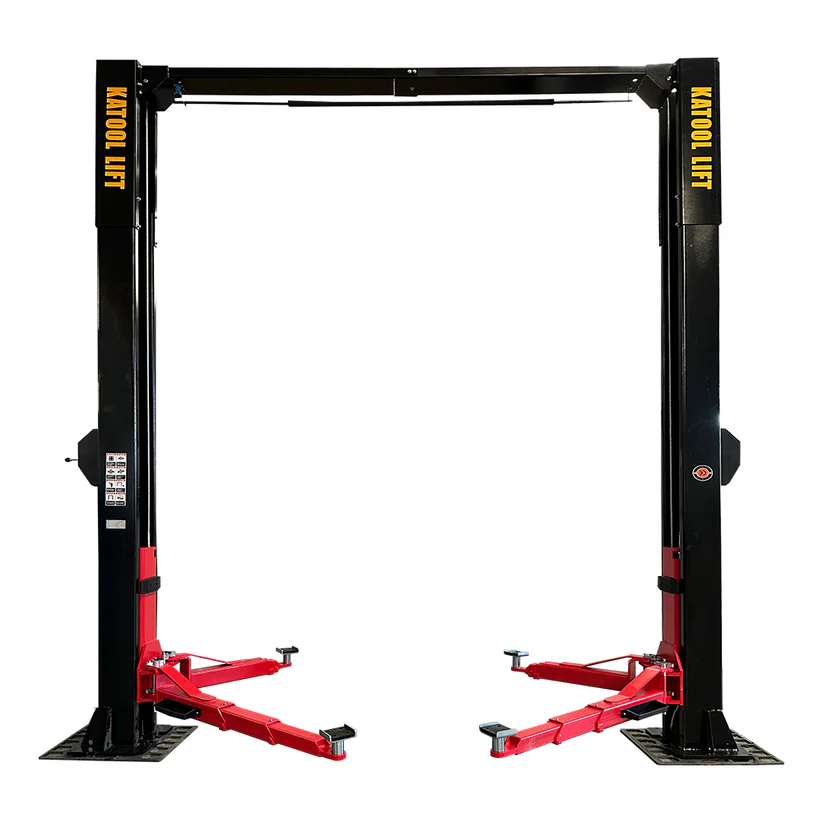
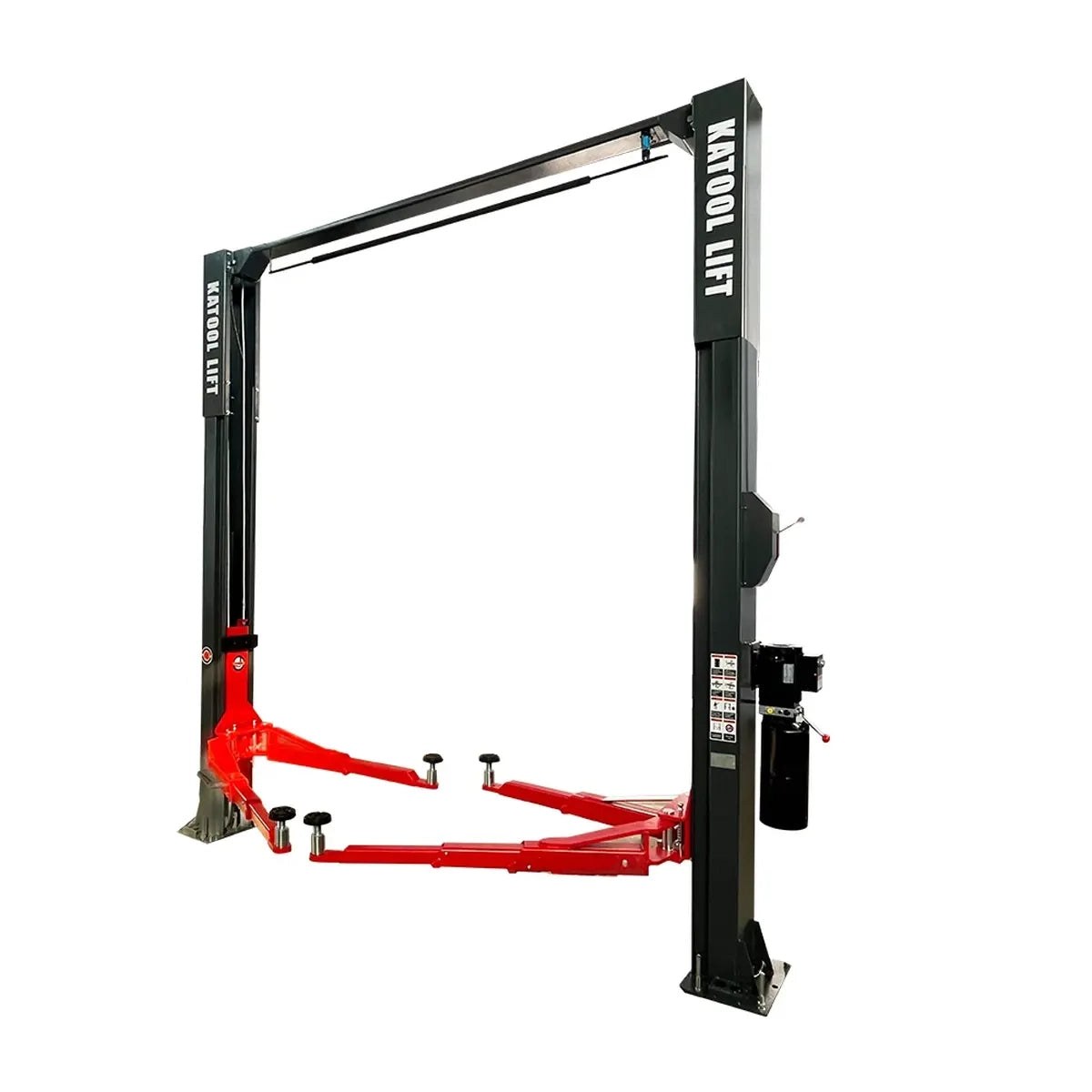
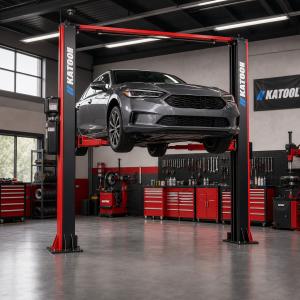
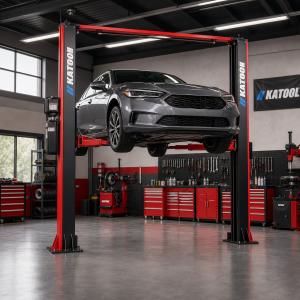
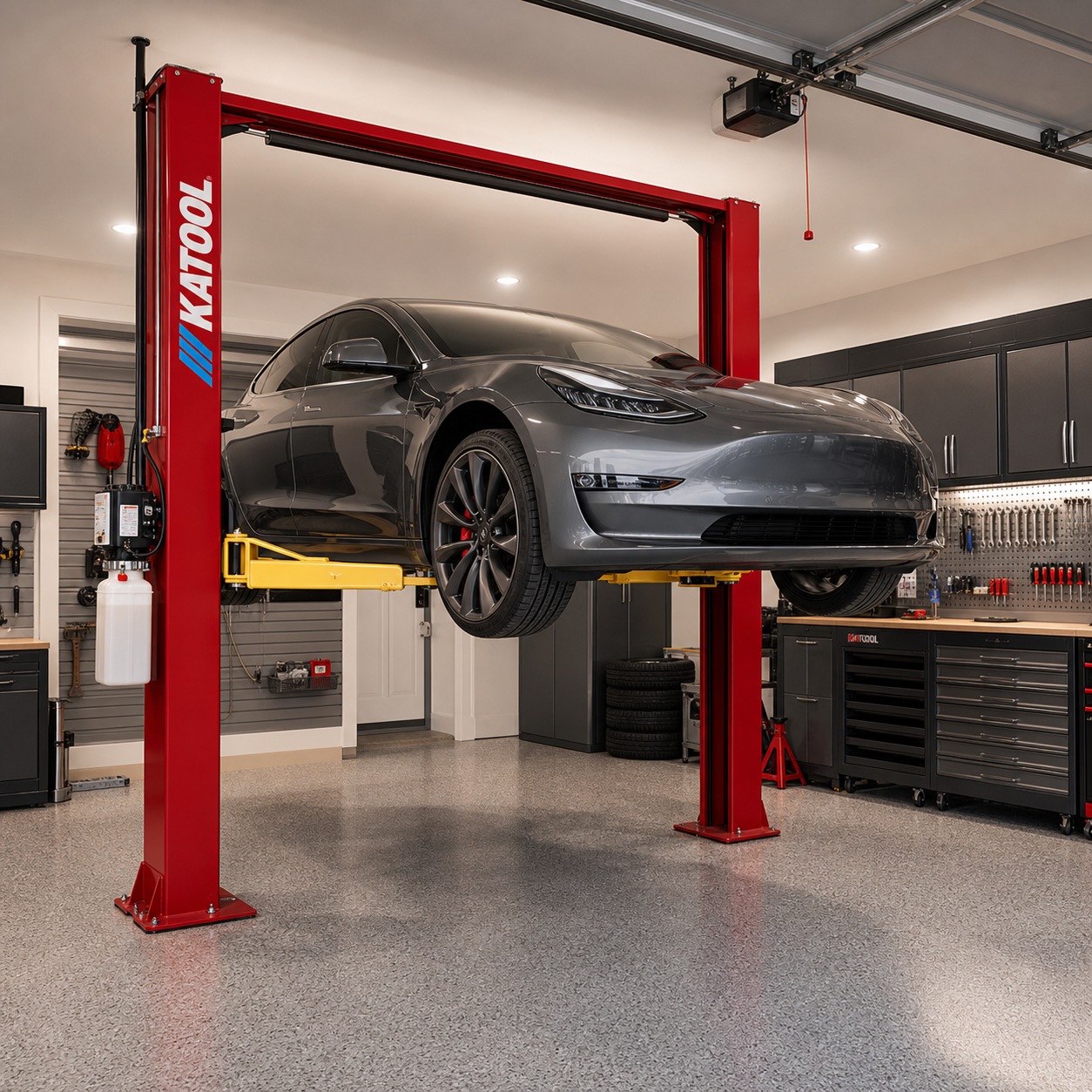
A two post lift provides open access to the wheels and underside of a vehicle, making it useful for maintenance, brake work, suspension service and project cars. It can be a strong option when the garage has adequate ceiling height and a suitable concrete floor. Buyers should compare clear-floor and base-plate designs, arm reach, column height, overall width and vehicle lifting points.
The KATOOL KT-M110 two post auto lift is one model residential and professional buyers can review when planning a full-size service bay. Confirm all dimensions and installation requirements against the latest product documentation before purchase.
Four Post Lift for Parking and Vehicle Storage
A four post lift supports the vehicle on runways and is often considered for parking, storage and drive-on convenience. It may be easier to position a vehicle on a four post lift, while optional accessories can expand maintenance use. However, runway length, approach ramps and post locations require substantial floor space.
Homeowners comparing storage and service applications can review the KATOOL KT-4H110 four post lift. Measure the complete footprint, including ramps, and check whether the raised vehicle will clear the ceiling and garage door system.
Scissor Lift for Garages with Limited Space
A mid-rise or portable scissor lift can suit residential garages that do not have the ceiling height for a tall post lift. Its compact structure may work well for wheel service, detailing and many maintenance tasks. The tradeoff is that the lifting structure occupies part of the area beneath the vehicle, so access differs from a two post lift.
The KATOOL KT-X66 portable mid-rise scissor lift is a practical model to compare for compact residential work areas. Buyers needing a larger platform can also review the KATOOL KT-X77 heavy-duty scissor car lift.
Match Lift Capacity to the Actual Vehicle
Rated capacity should exceed the weight of the vehicle being lifted, but total weight is not the only consideration. Vehicle wheelbase, track width, center of gravity, lifting points and weight distribution must also fit the lift design. Pickup trucks, electric vehicles and modified vehicles may distribute weight differently from standard passenger cars.
Check the vehicle manufacturer lifting information and the lift manual before positioning arms or pads. Never exceed the stated capacity or improvise adapters that are not approved for the equipment.
Plan Power, Access and Daily Operation
Confirm the required power supply before installation and plan where the power unit and controls will be located. The operator should have a clear view of the vehicle while raising and lowering it. Keep adequate space around moving arms, runways and platforms, and make sure the lift can be lowered without interference from tools or stored items.
Routine inspection is part of owning any residential garage lift. Follow the manual for lubrication, cable or chain checks, hydraulic inspection, anchor checks and safety-lock testing. Replace worn components promptly and keep unauthorized users away from the controls.
Residential Garage Car Lift Checklist
Before ordering, confirm the garage ceiling height, usable floor area, door-track position, slab specification, vehicle dimensions, vehicle weight, lifting points, power supply and intended type of work. Then compare those measurements with the exact model drawing and installation manual. This process is more reliable than choosing a lift based only on price or maximum capacity.
Conclusion
The best car lift for a residential garage is the model that safely fits the building and supports the vehicles and tasks you actually have. Two post lifts provide broad service access, four post lifts are useful for drive-on parking and storage, and scissor lifts can suit lower or more compact garages. Explore KATOOL residential and professional auto lifts, then verify the selected model with accurate site measurements and qualified installation advice.