How Alignment Equipment Fits into Lift-Based Service Bays
How Alignment Equipment Fits into Lift-Based Service Bays
Wheel alignment service works best when the equipment, the lift and the service bay layout are planned as one system. Good integration supports cleaner workflow, more stable measurement and a more professional customer experience.
The Lift Shapes the Alignment Workflow
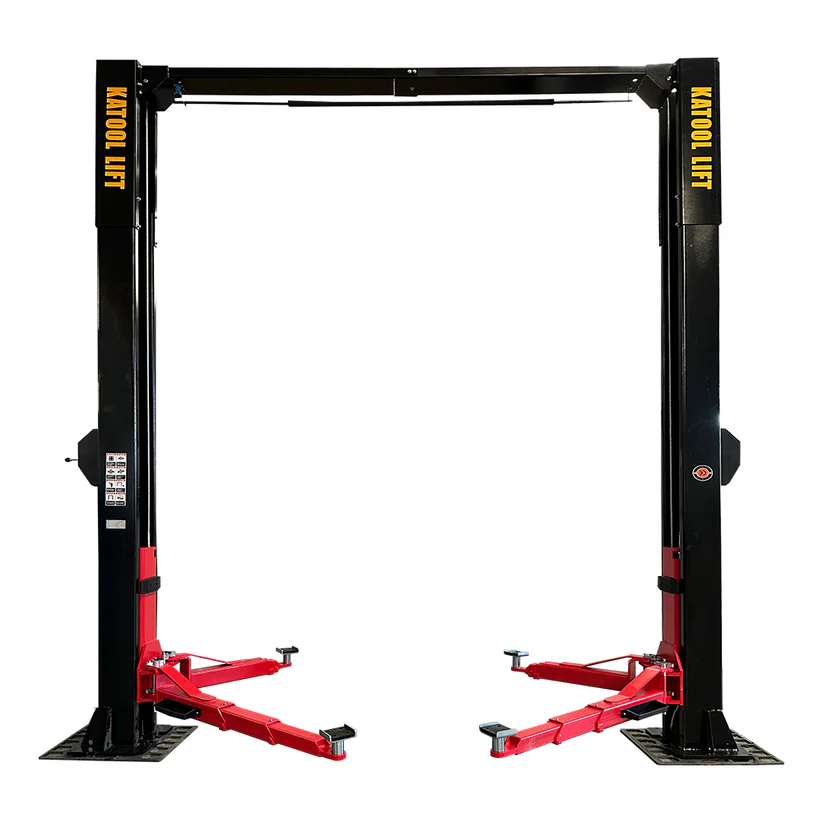
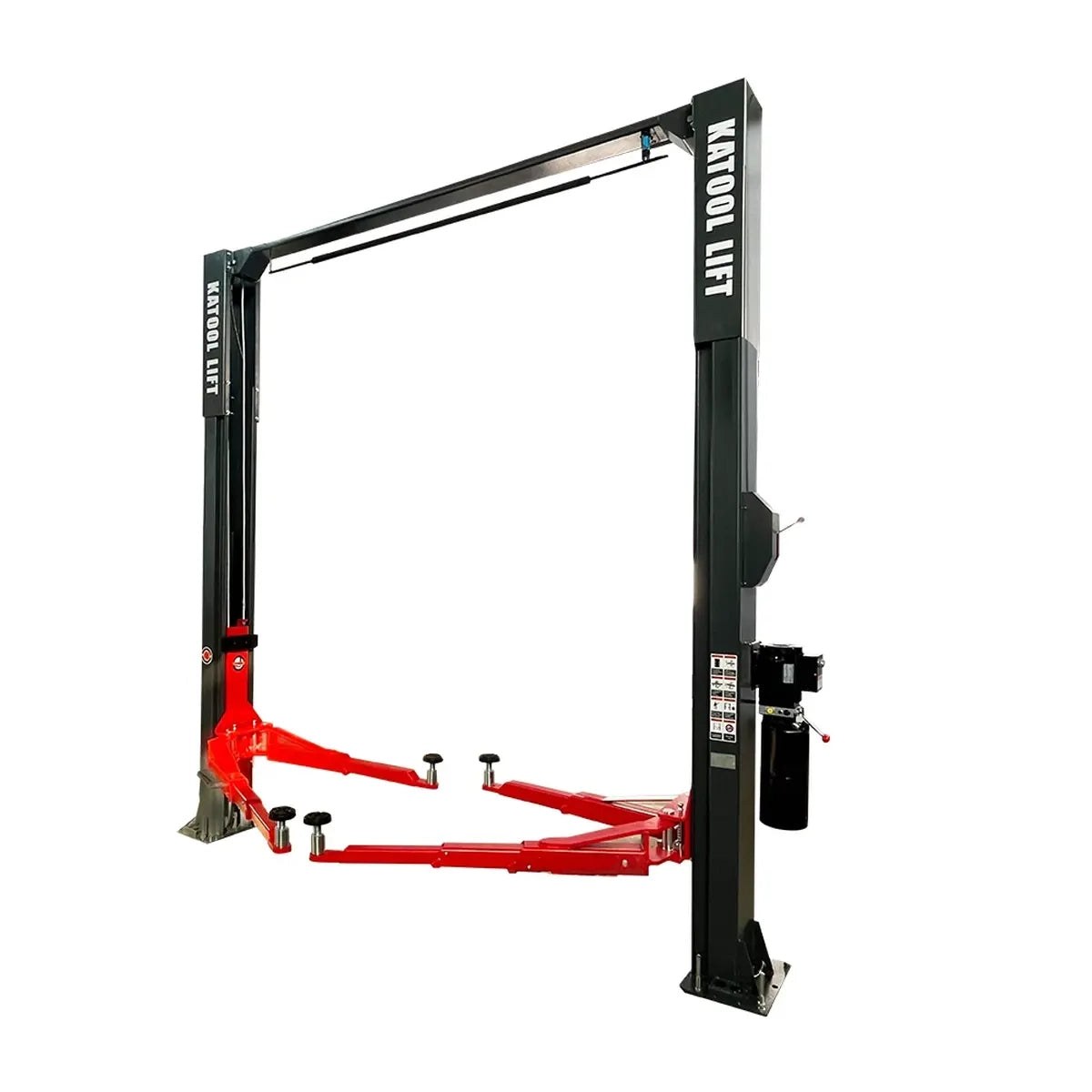
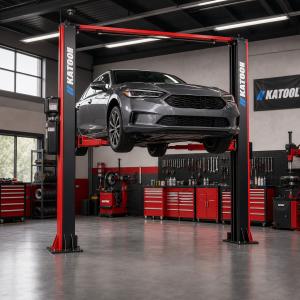
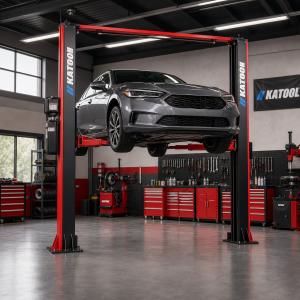
Vehicle height, runway access and clamp positioning all depend on how the lift is designed and used. That is why the lift is more than just a platform; it is part of the alignment system itself.
Bay Layout Influences Service Speed
A well-planned bay allows technicians to move around the vehicle easily, access controls comfortably and complete checks without unnecessary repositioning. Better layout often means better productivity.
Stable Positioning Supports Better Measurement
Accurate alignment depends on consistent vehicle setup. If the lift or surrounding bay arrangement makes positioning awkward, the service process becomes less efficient and potentially less reliable.
Equipment Placement Should Help, Not Obstruct
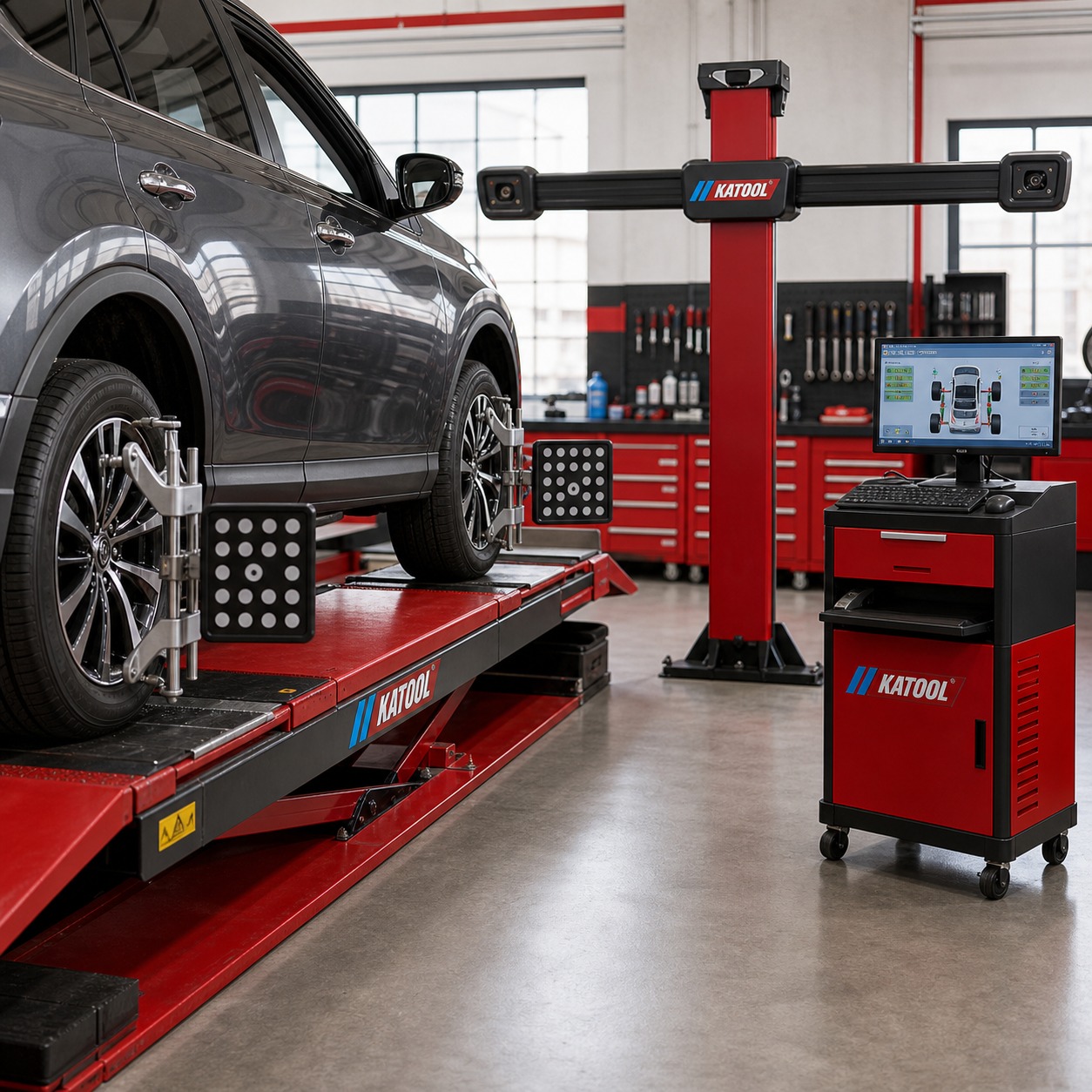
The alignment console, turnplate areas and related tools should fit the bay in a way that supports natural movement. Poor placement can slow the technician and create unnecessary steps during every job.
Integrated Planning Creates Better Long-Term Value
Shops get stronger results when the alignment system is treated as part of the full service environment instead of a separate add-on. Better integration supports both accuracy and customer confidence.
Conclusion
Alignment equipment fits best into service bays that are planned around real technician workflow. The better the lift and layout work together, the more value alignment service can deliver.