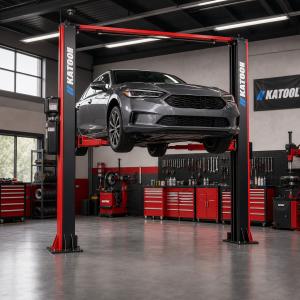
How to Install an Automotive Lift
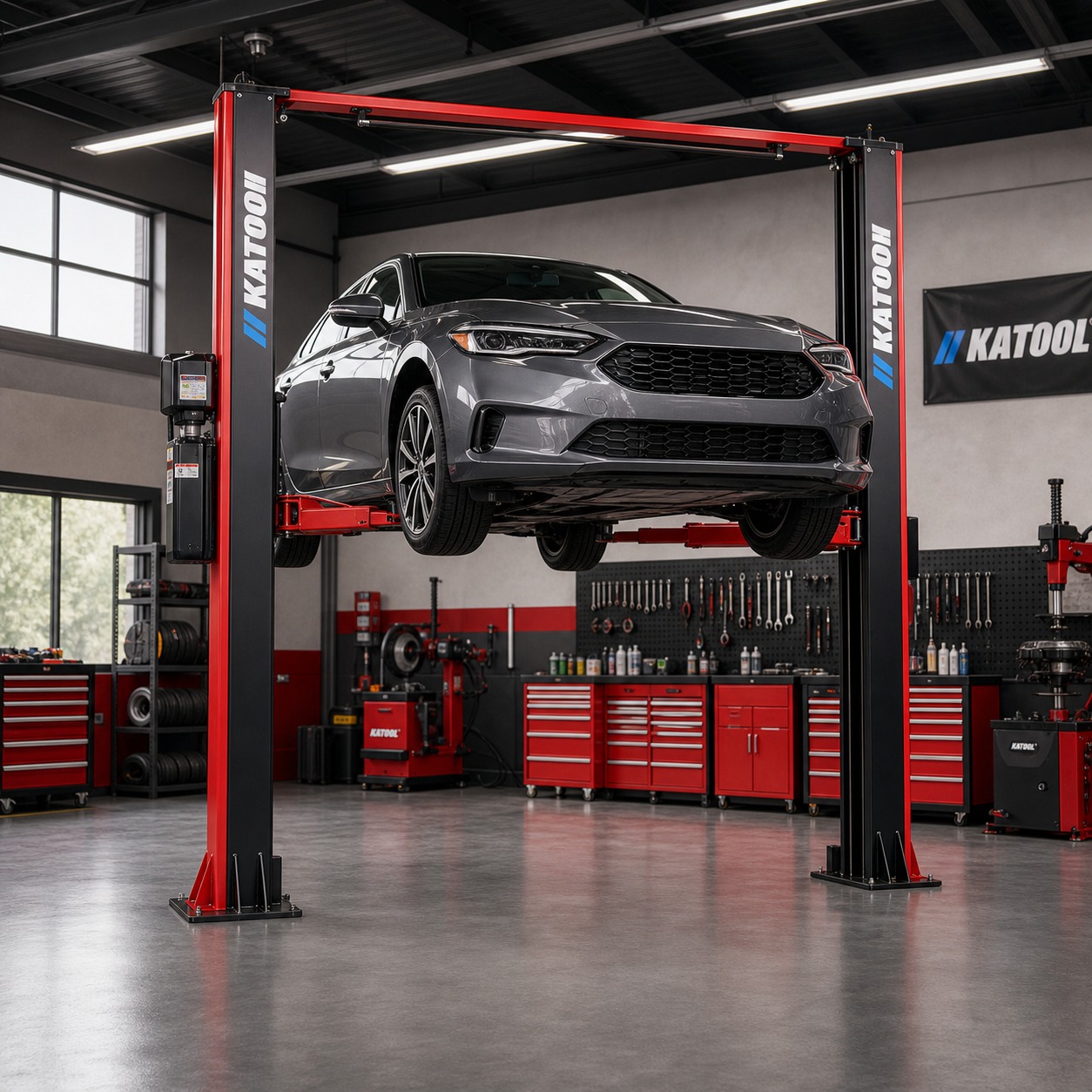
How to Install an Automotive Lift
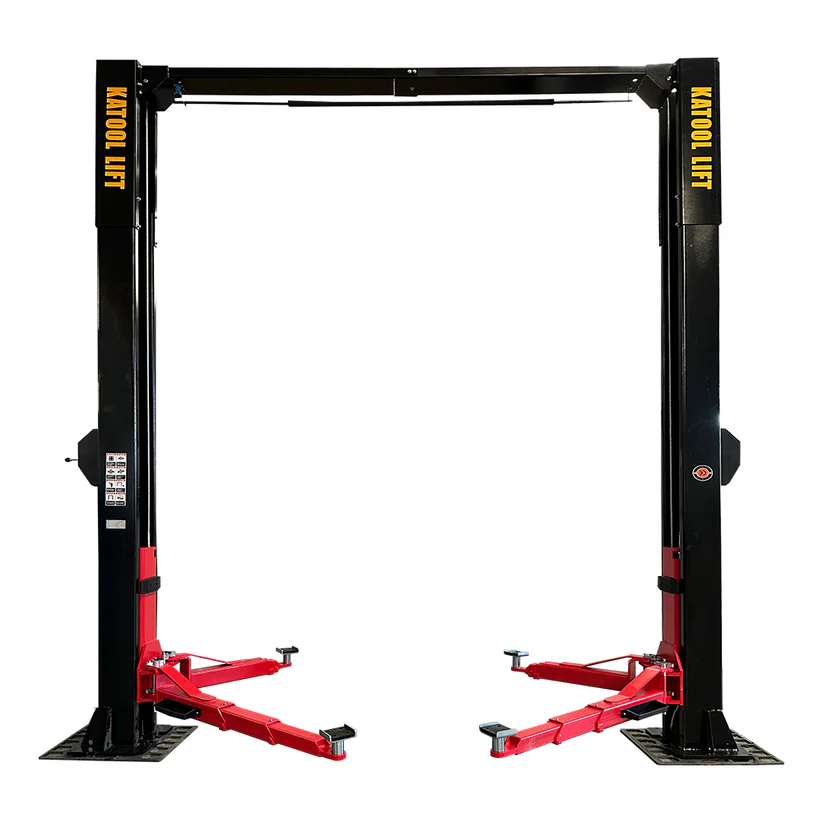
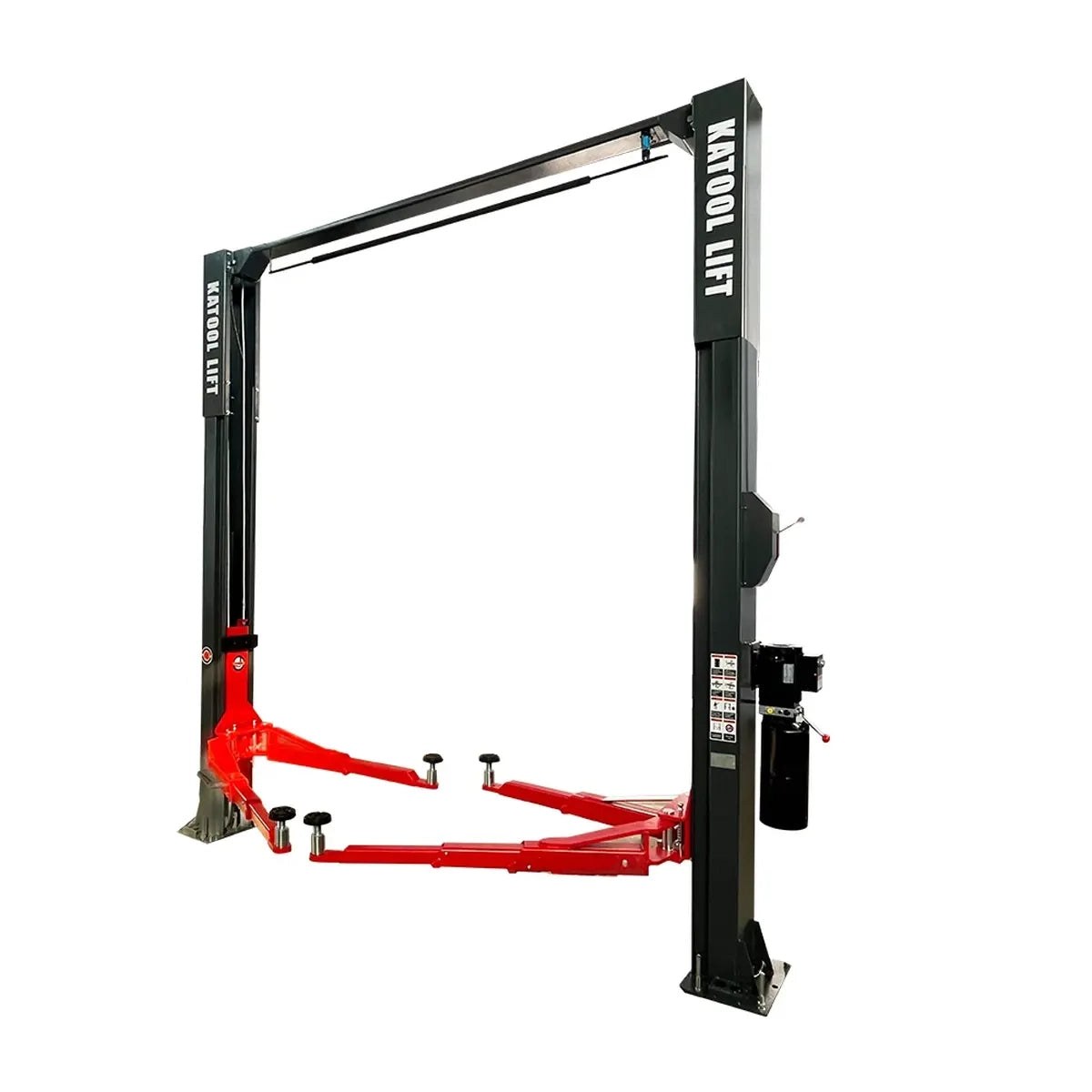
Installing an automotive lift is not only about placing equipment in an empty bay. Good installation planning helps the lift work safely, fit the room properly and support smoother daily service after setup is complete.
Check Floor, Space and Ceiling Conditions
The floor condition, available width and overhead clearance should all be reviewed before installation begins. A lift that fits on paper can still feel impractical if the room does not support normal vehicle movement and technician access.
Match the Lift to Vehicle Range and Workflow
The lift should match the vehicles you plan to service most often. Capacity, arm reach and bay layout all affect whether the equipment becomes useful every day or only in limited situations.
Plan Post Position and Power Access Carefully
Post spacing, vehicle approach direction and power location all influence how natural the lift feels once it is installed. Good layout decisions reduce awkward loading and improve daily usability.
Follow Proper Anchoring and Setup Procedure
Anchoring, leveling and initial adjustment should be handled with care so the lift structure works as intended. Installation quality has a direct effect on long-term safety and performance.
Test Operation Before Full Daily Use
A controlled trial run after installation helps confirm lock function, lifting balance and basic service flow before the lift enters regular workshop use.
Conclusion
Autokato Engineering supplies KATOOL garage equipment for practical workshop use, including car lifts, wheel alignment systems, tire changers and related service equipment.