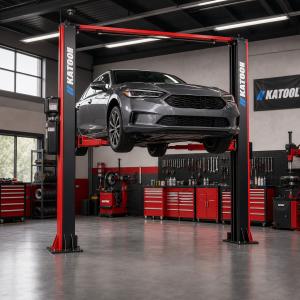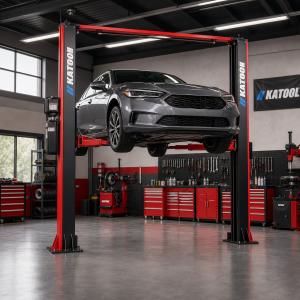
How to Plan Car Lift Space for a Small Garage
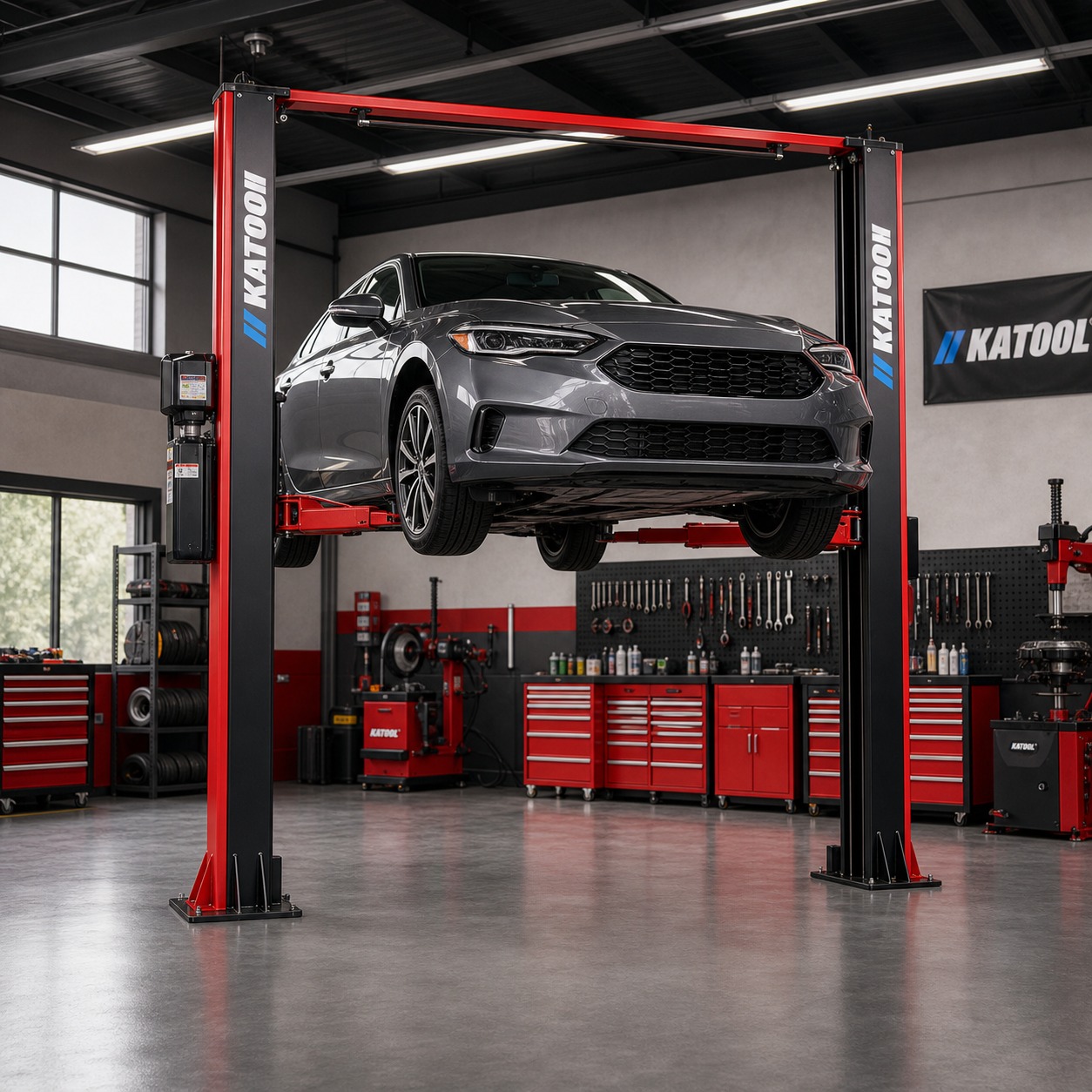
How to Plan Car Lift Space for a Small Garage
Installing a car lift in a small garage can create much better repair access and storage flexibility, but only if the room is planned carefully. Space planning should begin with the real garage layout, the vehicles you use most often and the type of work you expect to do on a regular basis.
Start with Ceiling Height and Floor Width
Ceiling height is one of the first limits that affects whether a lift feels practical in a smaller garage. Floor width also matters because the vehicle, the lift structure and normal walking space all need to fit comfortably at the same time.
Match the Lift to the Vehicles You Own
A compact car and a full-size SUV do not create the same space demands. The lift should match the size, weight and normal parking habits of the vehicles you plan to raise most often.
Leave Clearance for Doors and Daily Movement
A small garage becomes frustrating very quickly if the lift leaves no room for door opening, arm movement or tool access. Working clearance is just as important as the machine footprint itself.
Think About the Main Goal of the Lift
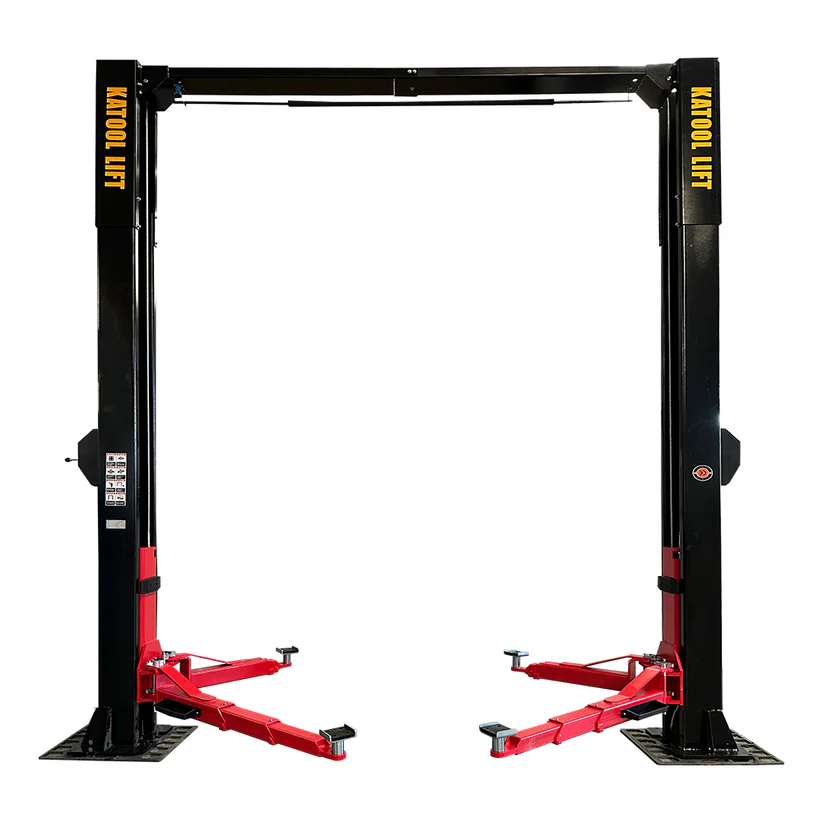
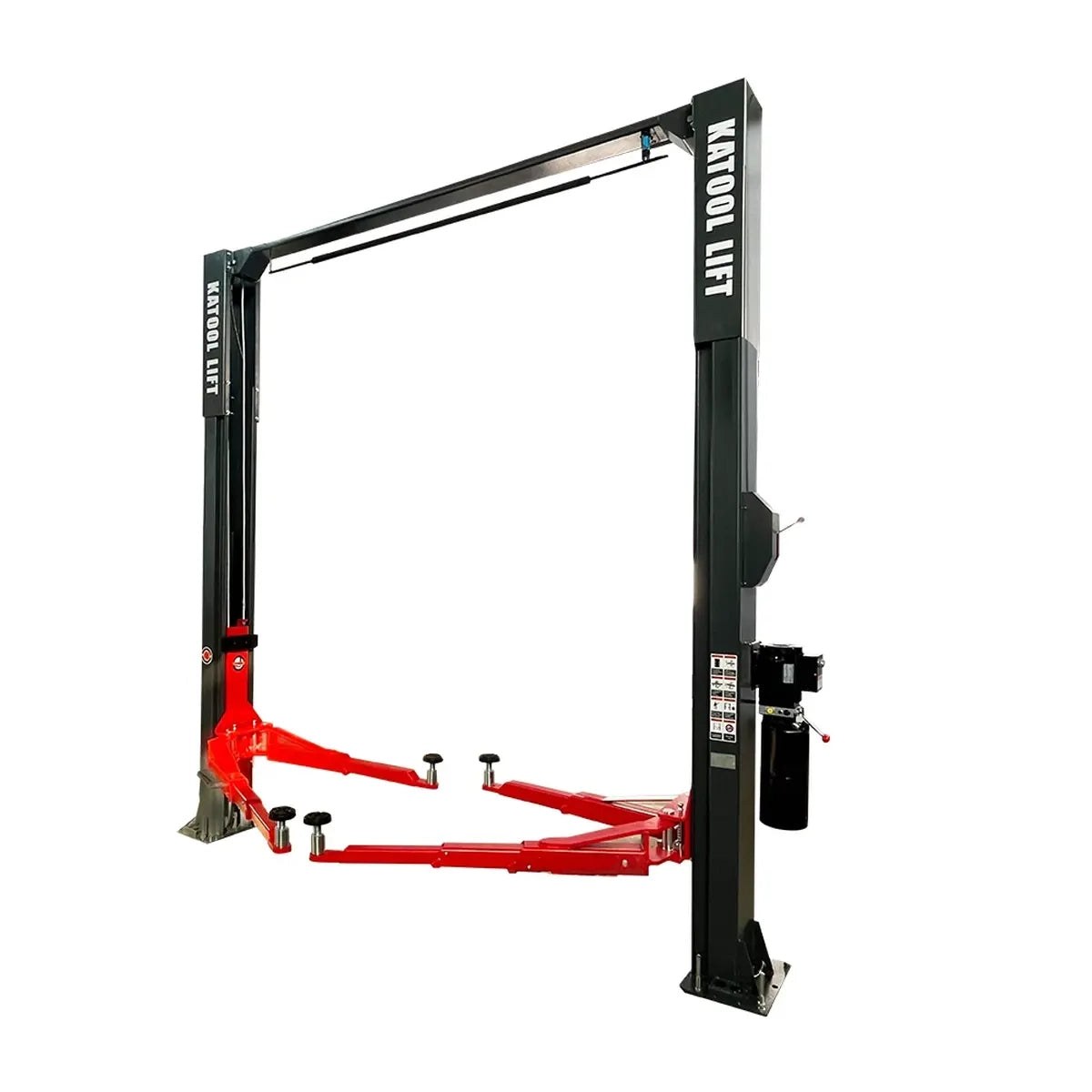
Some owners want a lift for storage, while others care more about brake work, wheel service or underbody access. The main goal helps decide whether a two post, four post or compact scissor lift is the better fit.
Plan the Garage Around Long-Term Use
A lift should not feel like an obstacle after installation. Good planning makes the equipment easier to load, safer to use and more valuable over time, especially in a tighter residential or light workshop space.
Conclusion
Autokato Engineering supplies KATOOL garage equipment for practical workshop use, including car lifts, wheel alignment systems, tire changers and related service equipment.