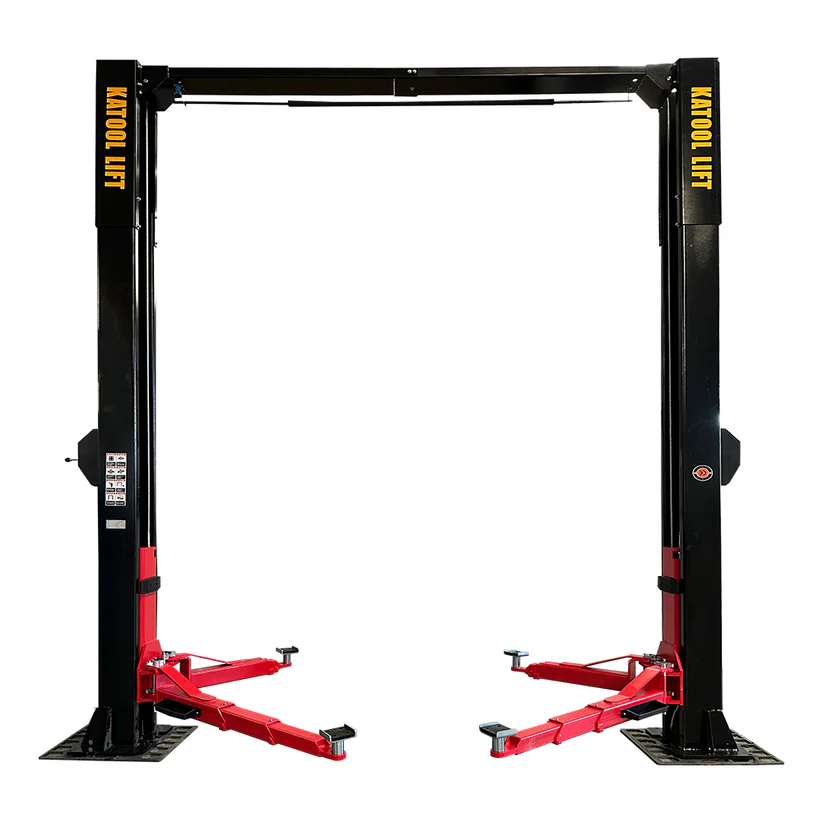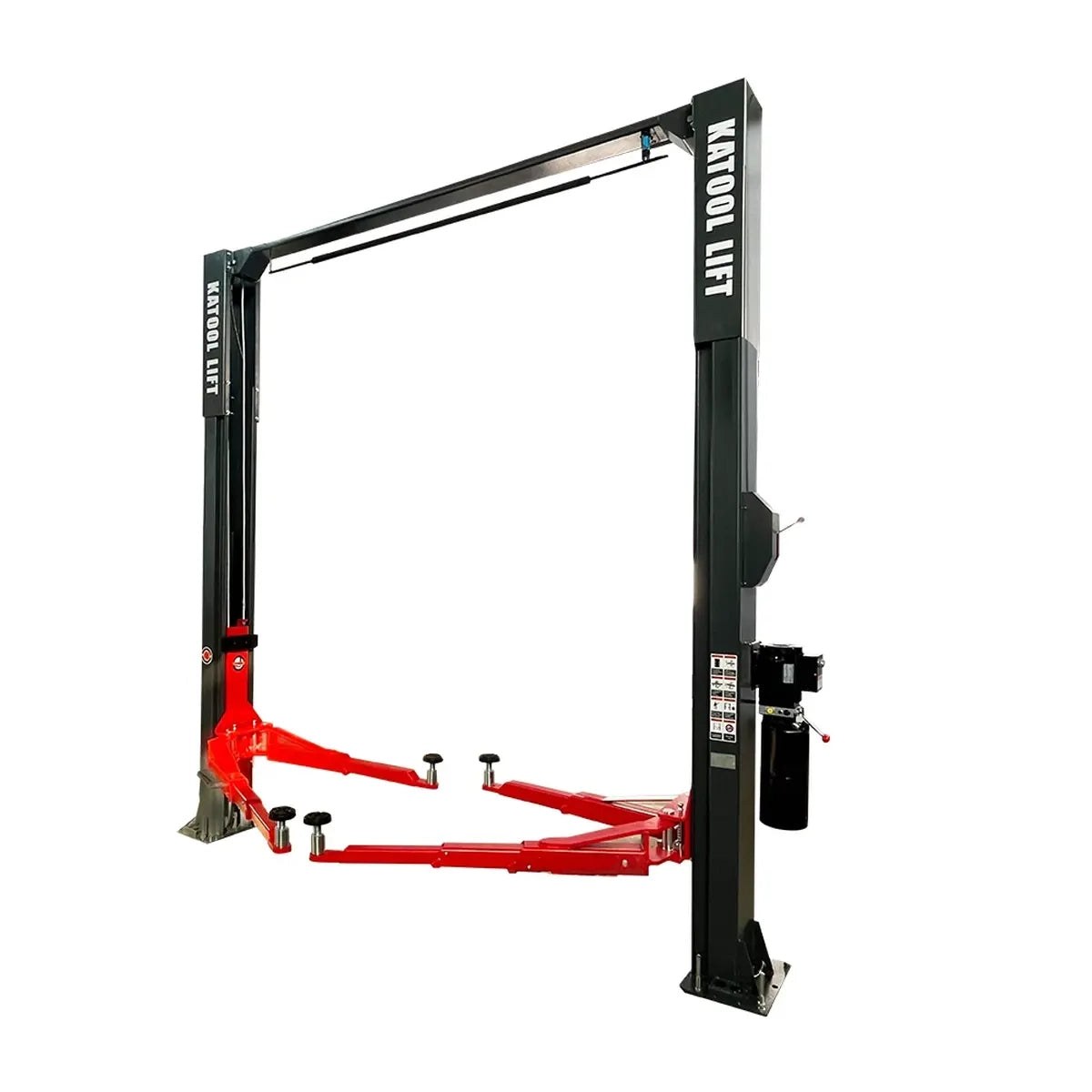
How to Safely Use a Car Lift or Truck Lift
How to Safely Use a Car Lift or Truck Lift
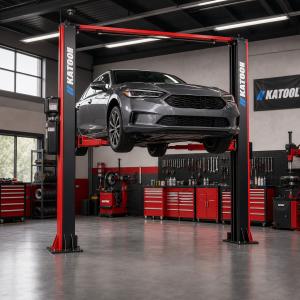
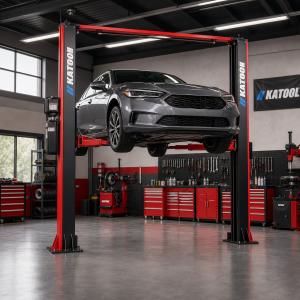
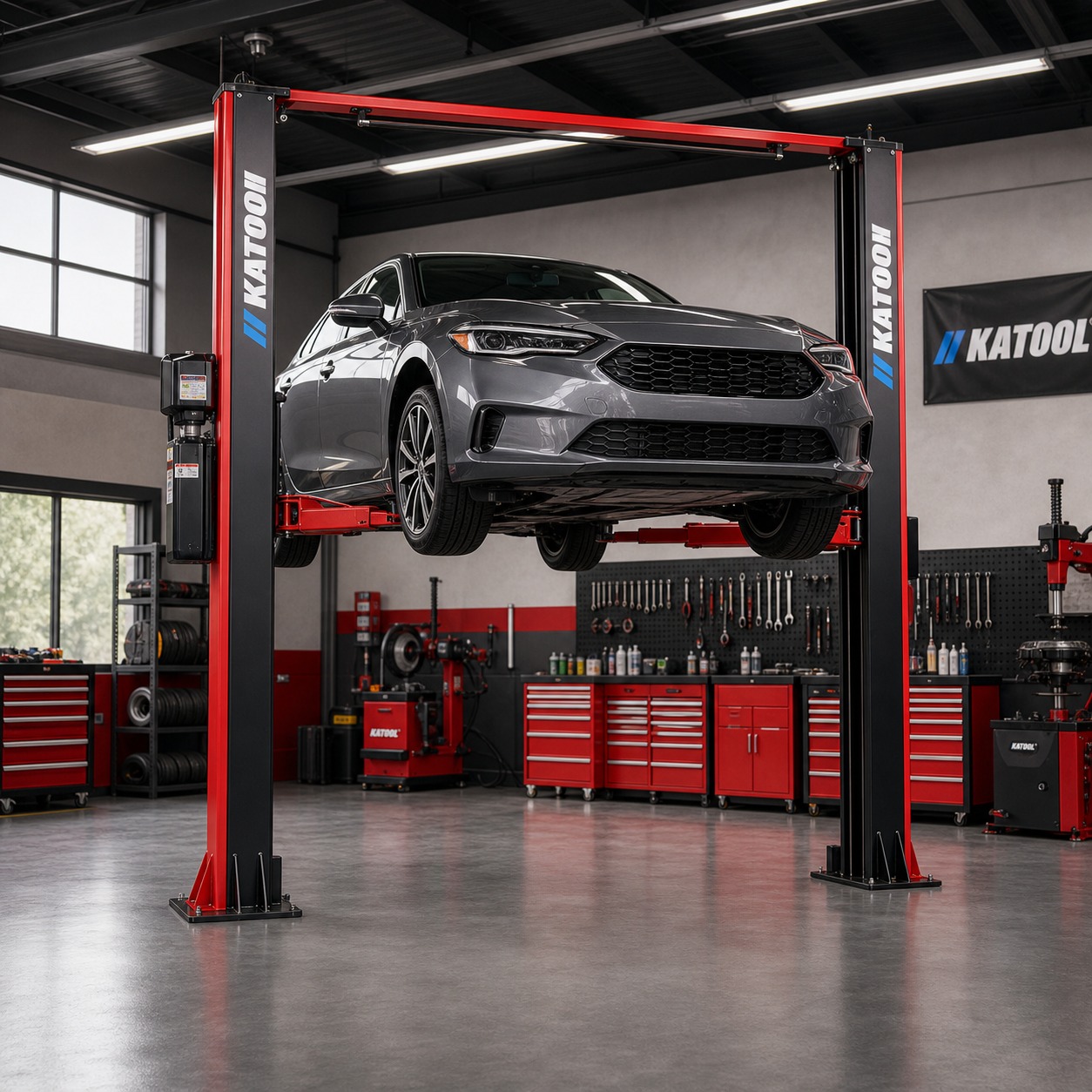
Whether you are lifting a passenger car or a light truck, the same principles apply: correct positioning, careful weight control and consistent operator procedure. Safe use protects both the technician and the equipment while supporting smoother daily service.
Choose the Right Lift for the Vehicle
Before loading, confirm that the vehicle fits the lift capacity, dimensions and support range. Trucks, longer vehicles or higher center-of-gravity applications often need more deliberate planning than standard passenger cars.
Use Proper Contact Points and Adapters
Correct support points are essential for both stability and vehicle protection. If the job requires adapters or special pads, they should be positioned carefully and checked before the vehicle leaves the floor.
Lift Slowly and Confirm Balance Early
A controlled first raise helps reveal any sign of shifting, poor contact or uneven placement. Taking time at this stage is much safer than trying to correct a problem after the vehicle is already at working height.
Rely on Safety Locks, Not Assumptions
Once the vehicle is raised, the lift should settle into the intended lock position before service begins. Safe operation depends on using the lift as designed rather than trusting that the system is probably fine without a proper lock step.
Stay Alert During Service and Lowering
Safe operation continues after the vehicle is in the air. Keep the area clear, avoid sudden force against the vehicle and make sure nothing obstructs the lift path when lowering is complete.
Training and Habit Make the Biggest Difference
The safest shops are not necessarily the ones with the newest lifts, but the ones with the most consistent procedure. Good habits turn proper lifting into a repeatable routine rather than a judgment call each time.
Conclusion
Autokato Engineering supplies KATOOL garage equipment for practical workshop use, including car lifts, wheel alignment systems, tire changers and related service equipment.