
How to Use a Four-Wheel Aligner Correctly
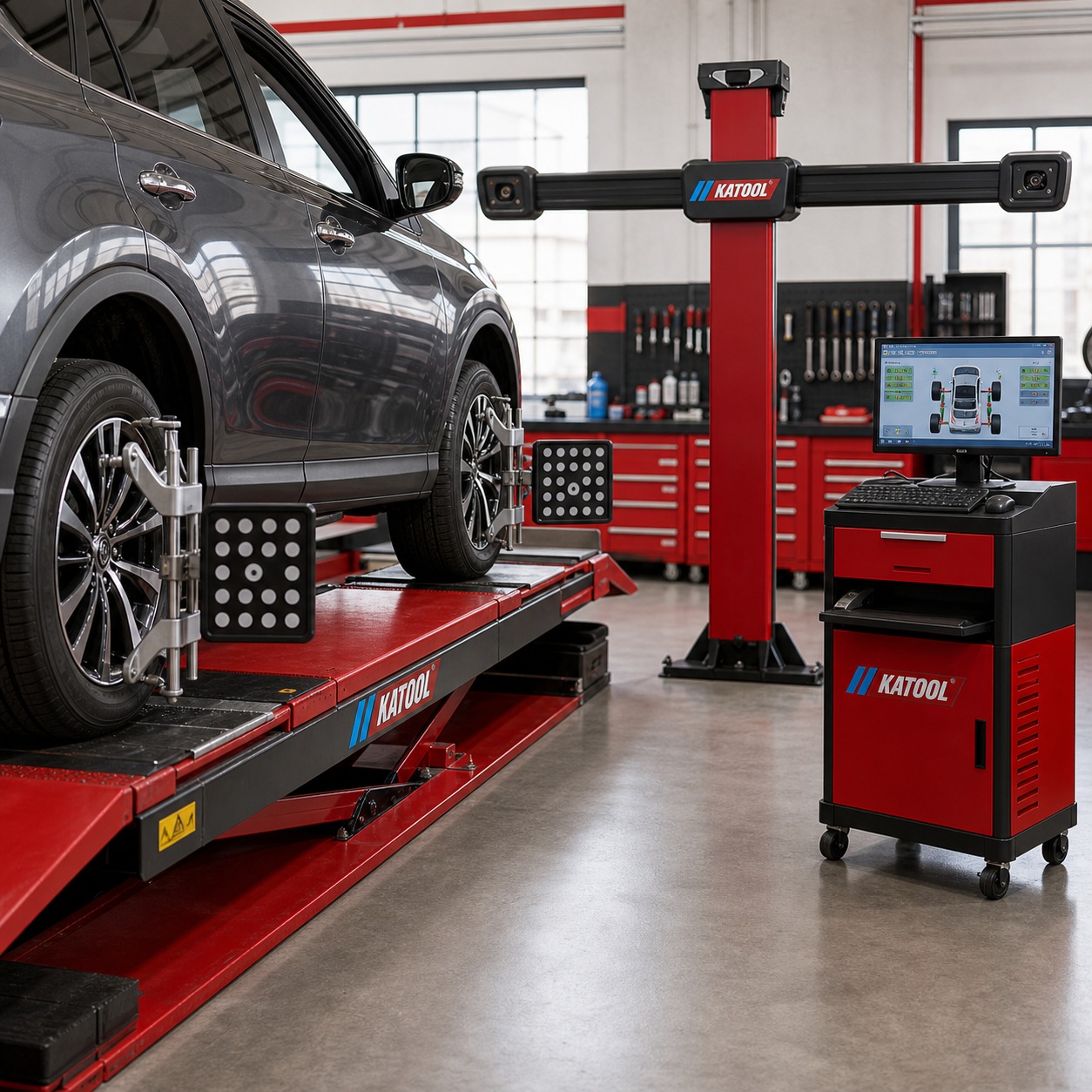
How to Use a Four-Wheel Aligner Correctly
A four-wheel aligner performs best when technicians follow a careful setup and measurement process. Correct use improves reading accuracy, makes adjustments more efficient and helps the final alignment results translate into better on-road performance.
Prepare the Vehicle Before Measurement
Before starting the alignment process, check tire condition, tire pressure and visible suspension issues. A vehicle with uneven setup or worn components may produce misleading readings and reduce the value of the alignment work.
Position the Vehicle Correctly on the Rack
Accurate alignment starts with stable vehicle placement on the rack. The vehicle should be centered properly, and the work area should allow technicians to access sensors, targets and adjustment points without interference.
Install Targets or Clamps Carefully
Targets and wheel clamps need to be mounted securely and evenly. Poor installation can affect measurement quality, so operators should confirm correct placement before beginning the data reading process.
Follow the Equipment Workflow Step by Step
Modern alignment systems guide technicians through compensation, measurement and adjustment stages. Following the sequence carefully helps avoid missed steps and supports more dependable final readings.
Interpret Data Before Making Adjustments
The numbers on the screen are only useful when the technician understands what they mean for the vehicle. Review toe, camber, caster and rear values carefully so adjustments are made in the right order and with the right purpose.
Correct Use Builds Better Service Quality
Using a four-wheel aligner correctly is a combination of good equipment, proper setup and disciplined operation. Shops that follow a consistent process are more likely to deliver accurate alignment service and stronger customer confidence.