How to Use and Maintain a Wheel Balancing Machine
How to Use and Maintain a Wheel Balancing Machine
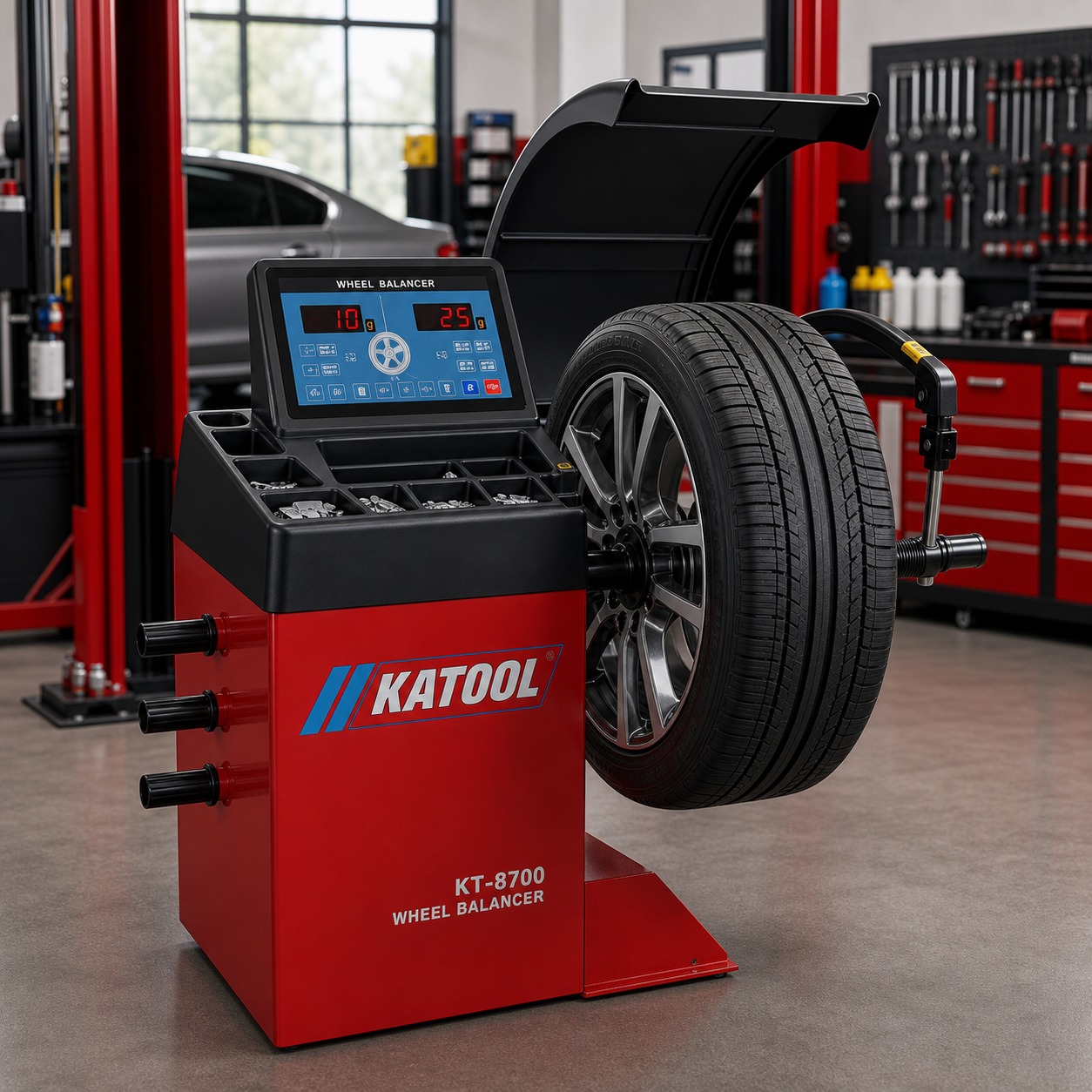
A wheel balancing machine delivers the best results when it is operated correctly and maintained consistently. Good balancing practice improves service quality, while routine care helps the machine stay accurate and reliable in a busy workshop.
Mount the Wheel Carefully
Accurate balancing begins with correct wheel mounting. The cone, flange and shaft contact should all be clean and correctly matched so the machine measures the wheel in a stable and repeatable position.
Enter Measurements Correctly
Distance, width and diameter settings influence the balancing result directly. Taking a little extra care when entering those values can reduce repeat work and improve confidence in the final correction.
Apply Weights in the Correct Locations
The machine can only guide the operator effectively if the correction weight is placed precisely. Following the indicated location carefully helps avoid second spins caused by preventable weight placement error.
Keep the Machine Clean and Protected
Dust, adhesive residue and loose debris can affect the work area and reduce operator comfort. A clean balancing station helps preserve the machine while also making service look more professional to the customer.
Inspect Wear Parts and Operating Condition
The shaft, cones, hood and control surfaces should all be checked regularly. If vibration, unstable readings or unusual noise appears, early inspection is much better than waiting for accuracy to decline further.
Maintenance Supports Better Long-Term Accuracy
A balancing machine is more than a box with a screen. Consistent upkeep helps preserve reliable readings, smoother workflow and better customer results across every wheel service cycle.
Conclusion
Autokato Engineering supplies KATOOL garage equipment for practical workshop use, including car lifts, wheel alignment systems, tire changers and related service equipment.