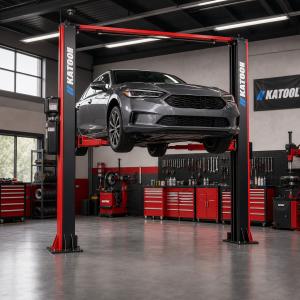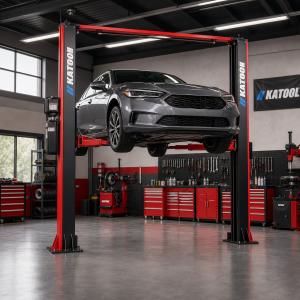
Important Tips for Using a Car Lift Safely
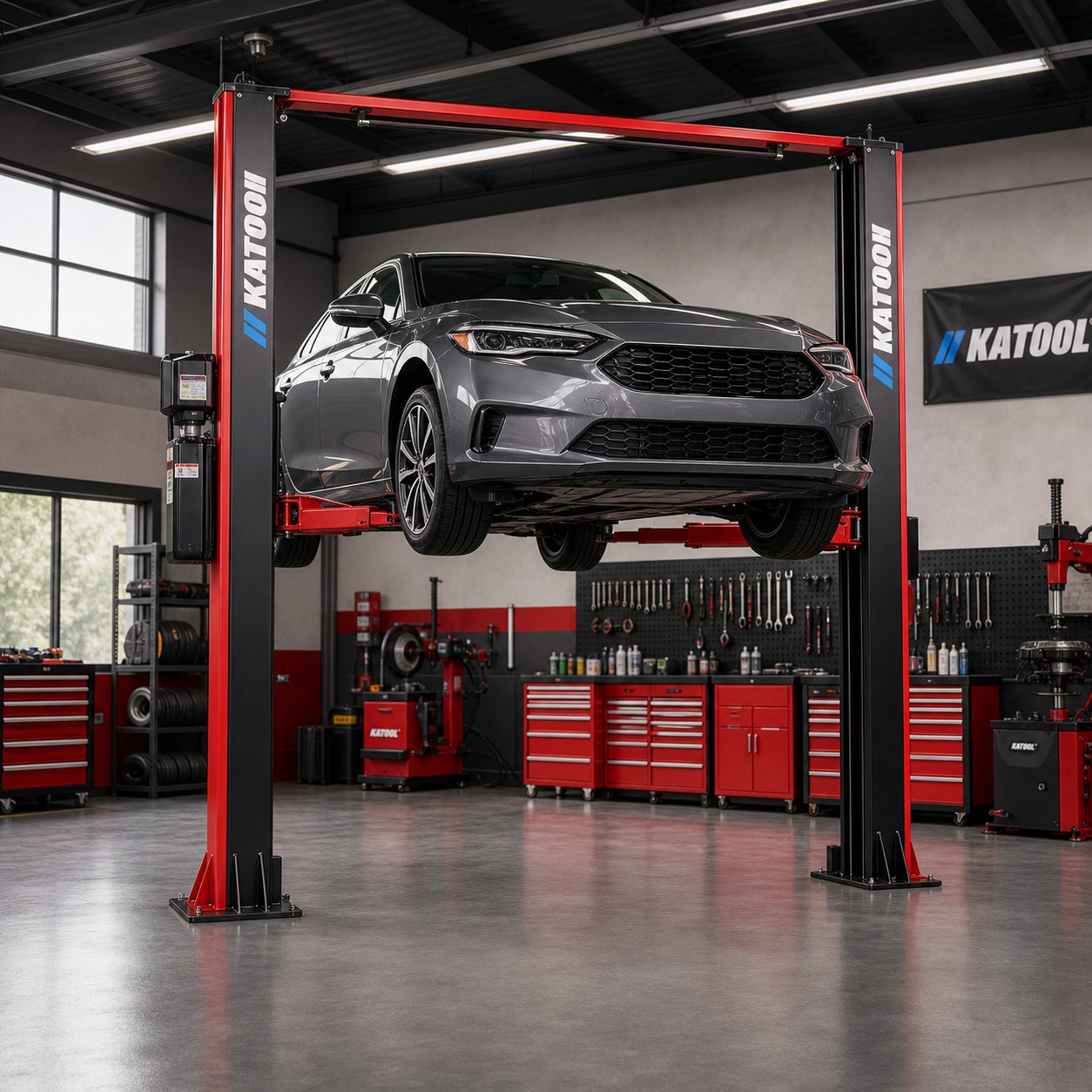
Important Tips for Using a Car Lift Safely
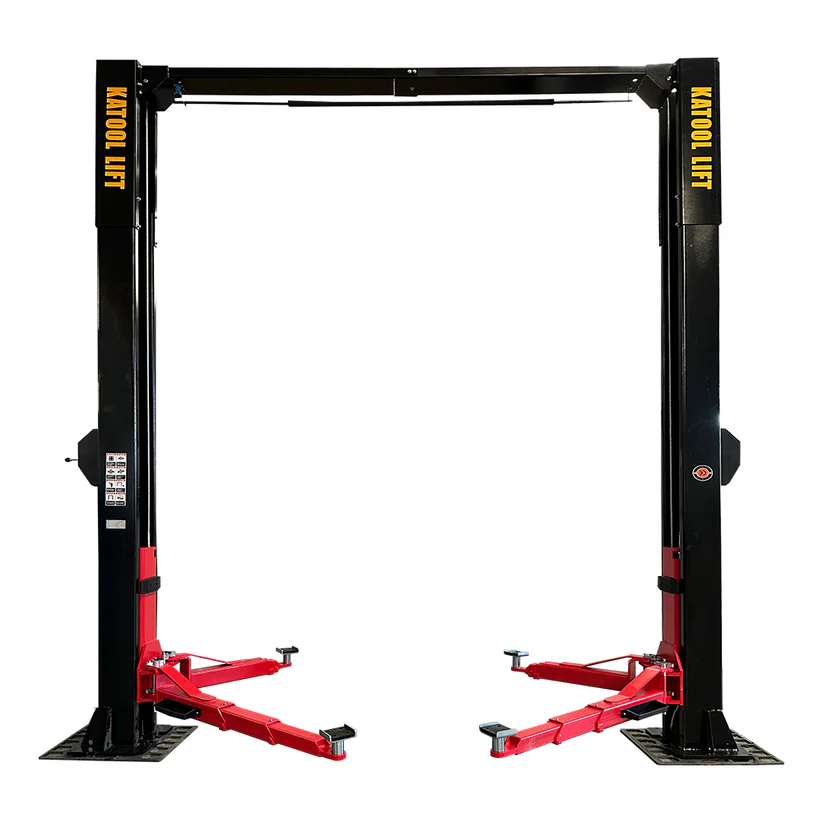
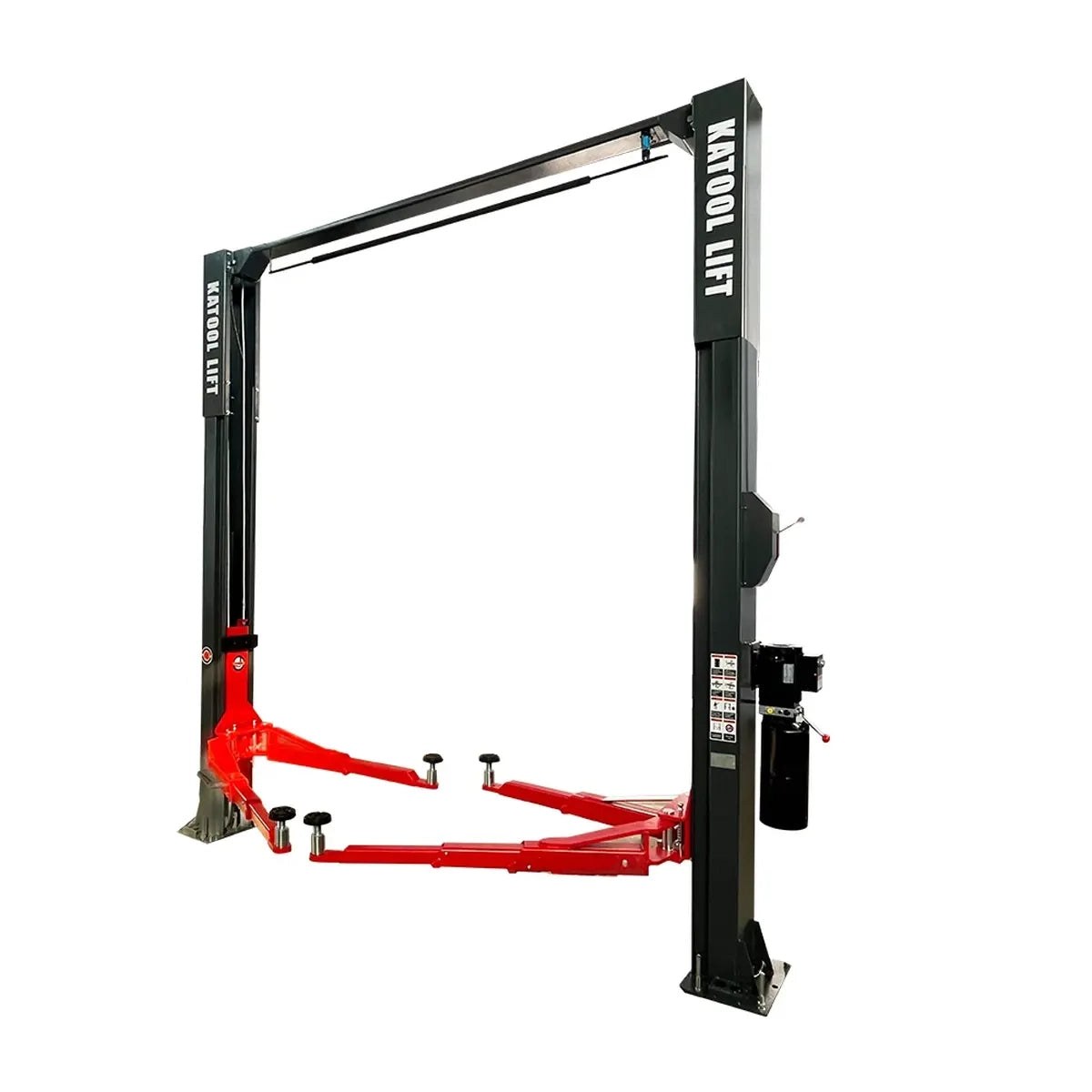
Safe car lift use starts before the wheels leave the ground. A consistent lifting routine protects technicians, keeps vehicles stable and helps the lift deliver dependable performance during every stage of service.
Inspect the Lift and the Work Area
Before lifting a vehicle, check the lift for visible issues and make sure the surrounding bay is clear. A clean work area reduces distraction and helps the operator focus on proper positioning and contact point placement.
Use Correct Lifting Points Every Time
Vehicle support points should always match the manufacturer guidance and the lift design. Guessing or rushing this step can create instability, especially when working with vehicles that have uneven weight distribution or limited access.
Raise the Vehicle Slowly and Recheck Stability
A slow initial lift gives the operator time to confirm that the vehicle is sitting level and secure. It is good practice to pause early, verify contact and listen for anything unusual before continuing to full working height.
Engage Safety Locks and Follow Normal Procedure
A lift should never rely only on hydraulic pressure during active service. Using the safety locks as intended is one of the most basic but most important steps in safe daily operation.
Avoid Overloading and Improvised Accessories
Lift capacity limits exist for a reason, and makeshift adapters can create serious risk. The safest shops use correct pads, approved accessories and clear operating rules instead of improvising around the job.
Train Operators and Keep Safety Habits Consistent
Even a high-quality lift can be used unsafely if operators develop shortcuts. Regular training and consistent shop procedure help make safe lifting automatic rather than something remembered only after a near miss.
Conclusion
Autokato Engineering supplies KATOOL garage equipment for practical workshop use, including car lifts, wheel alignment systems, tire changers and related service equipment.