A Practical Guide to Car Lift Maintenance
A Practical Guide to Car Lift Maintenance
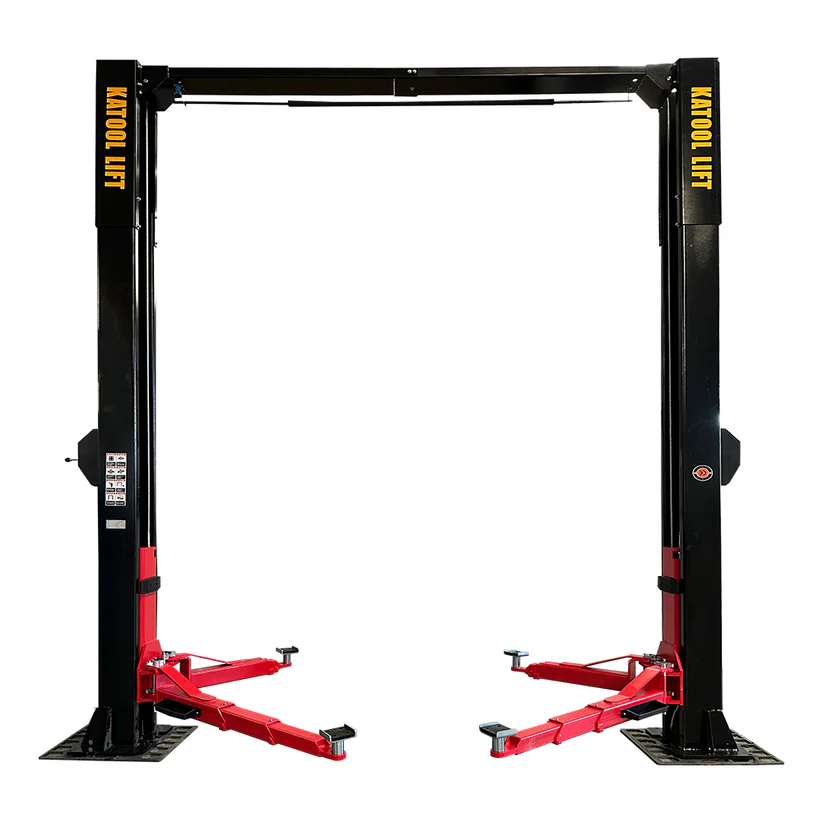
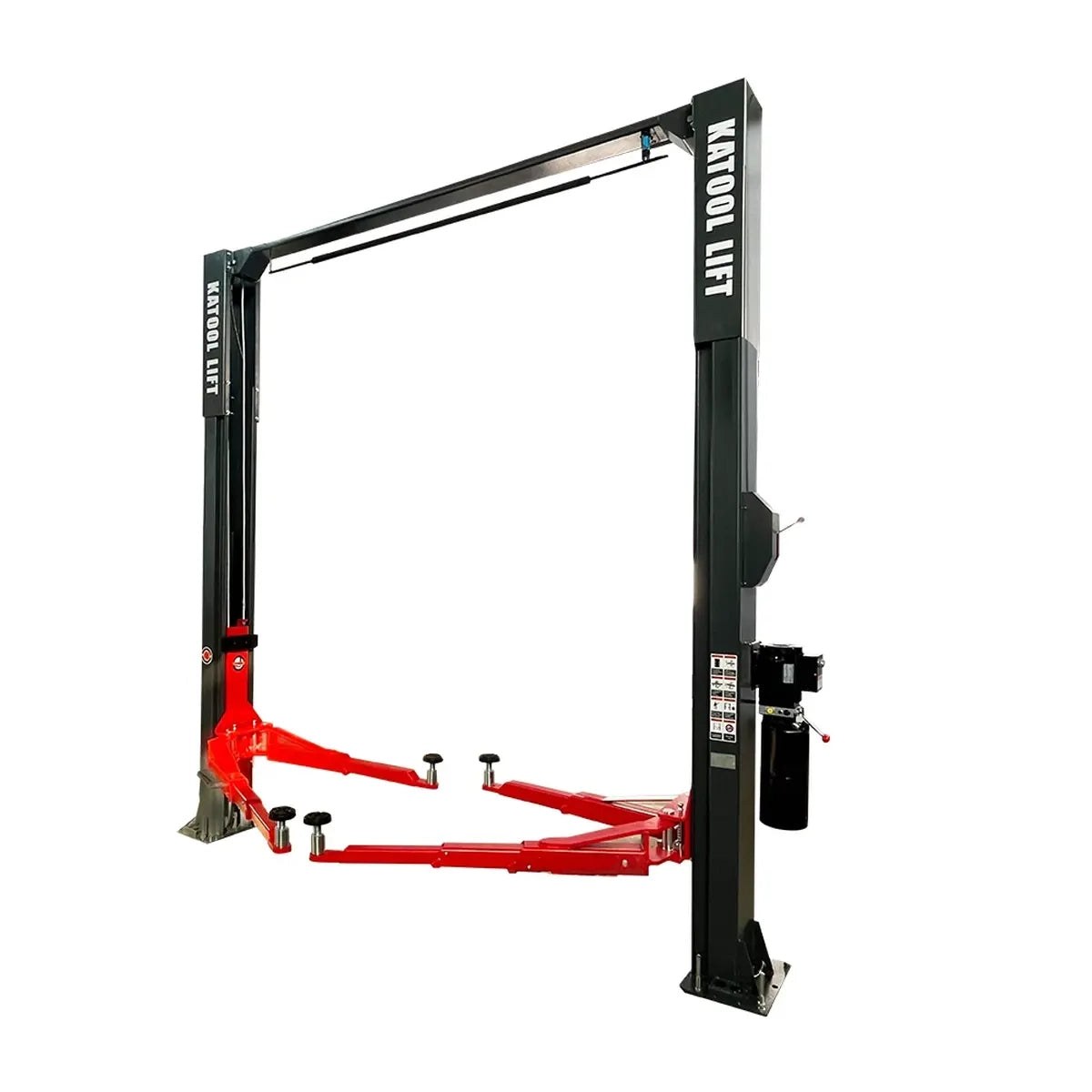
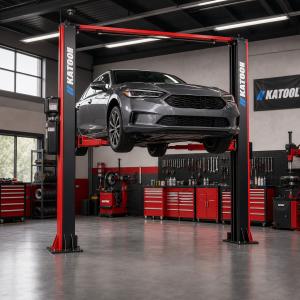
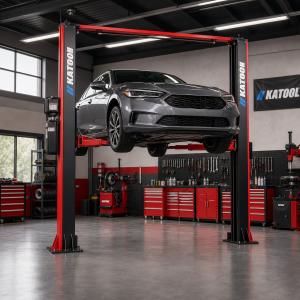
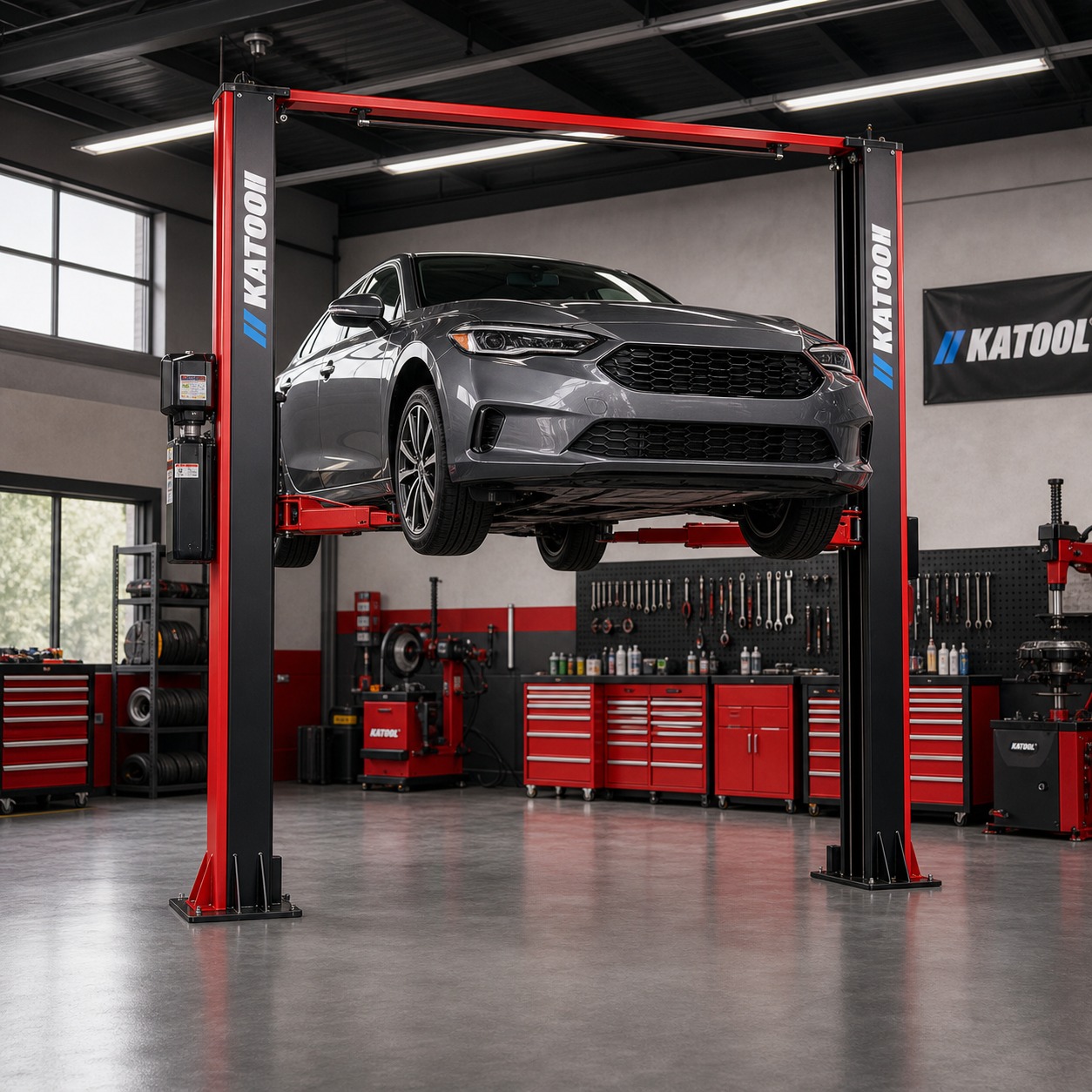
Routine maintenance keeps a car lift safer, smoother and more reliable in daily workshop use. A simple maintenance plan can reduce unexpected downtime, improve technician confidence and help the lift deliver stable performance for years.
Inspect the Lift Before Daily Use
A quick visual inspection should become part of the normal opening routine. Check for unusual wear, damaged pads, hydraulic leaks, loose hardware and anything that could affect safe lifting before the first vehicle enters the bay.
Keep Moving Parts Clean and Properly Lubricated
Dust, road dirt and old grease can gradually reduce lift efficiency. Cleaning sliding areas and applying the correct lubricant where recommended helps the lift move more smoothly and reduces unnecessary strain on key components.
Watch Cables, Locks and Hydraulic Components
Lifting cables, safety locks and cylinders are central to lift performance. If you notice uneven operation, delayed lock engagement or visible wear, the lift should be checked promptly before the problem becomes more serious.
Verify Arm Pads, Adapters and Contact Points
Vehicle support points take repeated load during daily service. Worn pads, damaged adapters or poor contact surfaces can compromise lift stability and should be corrected before lifting heavier or less balanced vehicles.
Follow a Scheduled Service Routine
Daily checks, monthly inspections and periodic professional service all play different roles. Keeping maintenance on a schedule is more effective than waiting for visible problems or responding only after performance drops.
Record Maintenance and Train Operators
A maintenance log makes it easier to track recurring issues and support consistent service decisions. When technicians also understand correct lift use, the equipment lasts longer and operates with fewer avoidable problems.
Conclusion
Autokato Engineering supplies KATOOL garage equipment for practical workshop use, including car lifts, wheel alignment systems, tire changers and related service equipment.