Precautions for Using a Car Lift in Daily Service
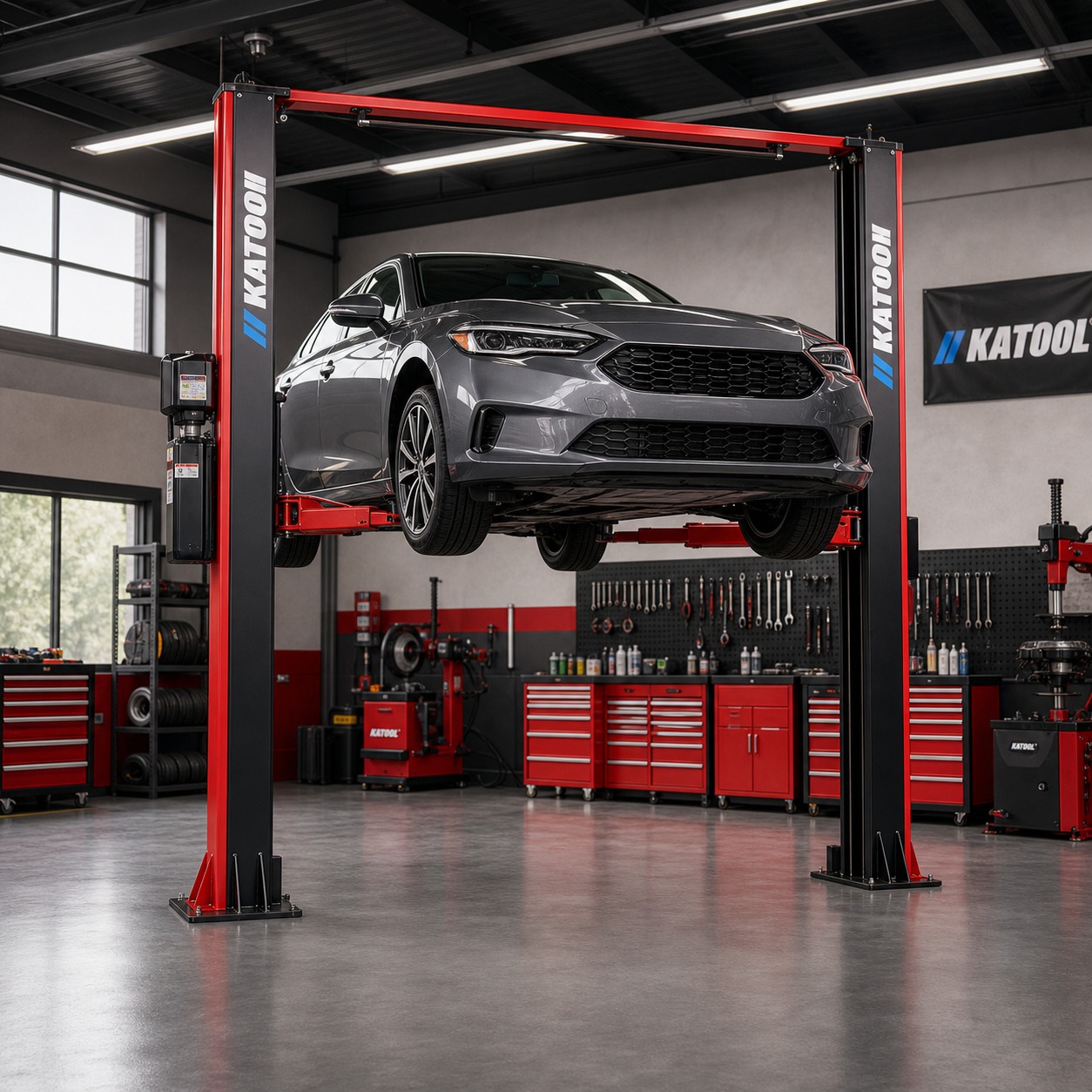
Precautions for Using a Car Lift in Daily Service
Daily service work can make a lift feel routine, but routine should never lead to carelessness. Following clear precautions every day helps prevent vehicle instability, operator error and unnecessary wear on the lift itself.
Position the Vehicle with Care
The lifting process begins with correct vehicle placement. If the vehicle enters the bay off-center or the lifting points are not aligned properly, stability problems can appear before the lift even reaches working height.
Check Weight Distribution Before Raising
A vehicle may be within the lift capacity and still require attention to front-to-rear balance. Uneven weight distribution, loaded cargo areas or specialty vehicle designs can all influence how the lift should be used.
Do Not Skip the Initial Lift Pause
Raising the vehicle a short distance and rechecking support is one of the most important daily precautions. This simple pause helps confirm contact, lock engagement and overall balance before the lift goes higher.
Protect the Area Around the Lift
The service bay should remain clear of loose tools, oil spills and unnecessary foot traffic during lifting. A controlled environment helps the operator focus and reduces the chance of distraction during critical steps.
Use the Lift Within Its Intended Scope
A lift should be used for the kinds of vehicles and service tasks it was designed to support. Trying to improvise with overloads, unusual support points or unapproved accessories creates avoidable risk.
Consistency Is the Real Safety Advantage
The safest lifts are usually the ones used with the most consistent habits. When technicians follow the same careful procedure every time, lift operation becomes both safer and more efficient.
Conclusion
Autokato Engineering supplies KATOOL garage equipment for practical workshop use, including car lifts, wheel alignment systems, tire changers and related service equipment.