Private Label Garage Equipment OEM Checklist

Private Label Garage Equipment OEM Checklist for Distributors
A successful private label garage equipment OEM project starts with a clear product brief. Distributors should define the target market, service applications, technical requirements and branding scope before requesting a quotation. This makes it easier to compare suppliers and prevents avoidable changes after samples or packaging have already been prepared.
Define the Target Customer and Service Application
Start by describing who will use the equipment. A small tire shop, dealership service department, mobile technician and heavy-duty workshop have different requirements. Include the common vehicle types, expected daily workload, wheel range, lifting capacity and available installation space.
The more specific the application, the easier it is to select an appropriate product. An OEM inquiry that only asks for the lowest price gives the factory very little information about whether the machine will suit the final customer.
Select Product Categories Before Individual Models
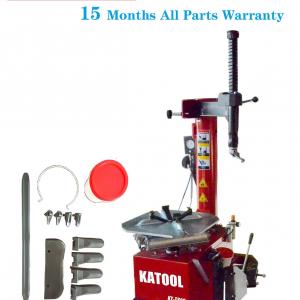
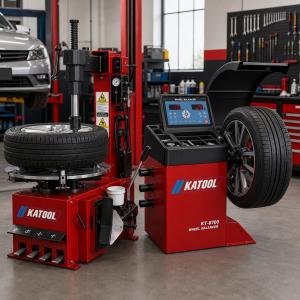
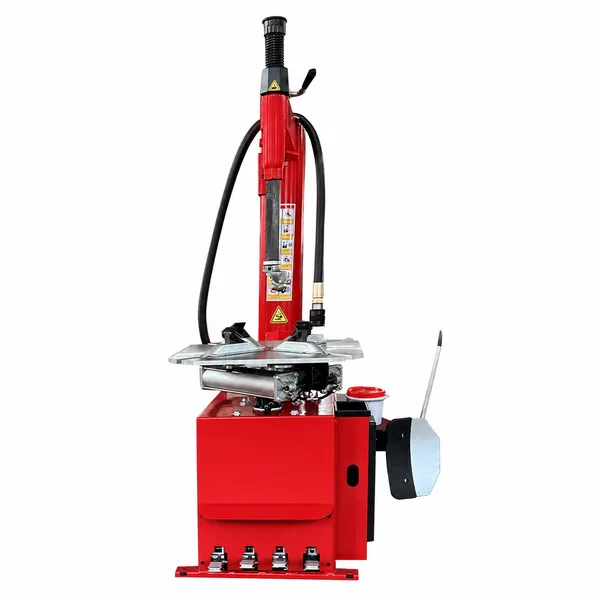
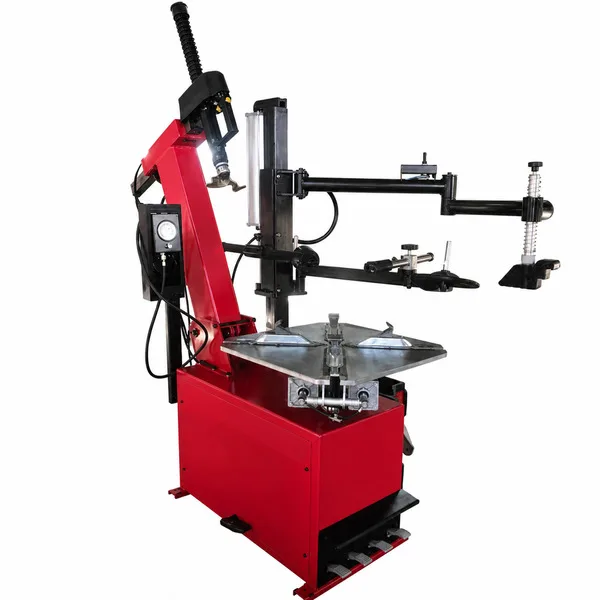
Distributors building a tire-service range may begin with tire changer machines and wheel balancer machines. Buyers planning a broader workshop program can add car lifts and vehicle lifts, wheel alignment equipment and related shop tools.
Create a good-better-best structure instead of choosing many similar models. A focused range is easier to stock, explain and support. It also simplifies spare-parts planning and gives sales teams a clear reason for each product position.
Prepare Technical and Market Requirements
Provide the destination country, voltage, frequency, plug type, preferred language and relevant documentation requirements. For lifts, include capacity, ceiling height, bay width and concrete information. For tire equipment, include the wheel sizes, tire types and expected service volume.
Technical requirements should be confirmed for each model. Do not assume one electrical or pneumatic configuration fits every market. Buyers can review available certificates and test reports, then confirm which documents apply to the exact model and destination.
Define the Private Label Branding Scope
Decide where the brand will appear: machine panels, rating labels, control screens, manuals, cartons and accessories. Provide vector logo files, approved colors, model naming rules and contact information. A written branding checklist reduces inconsistent logo placement and spelling errors across the product and packaging.
Also clarify whether the project needs standard factory colors, custom colors or only private labels. Custom paint, printed packaging and redesigned panels can affect minimum quantity, sample cost and lead time.
Approve Samples and Product Details in Writing
Before a larger order, confirm the product configuration, included accessories, labels, manual, packaging and test requirements. Use photographs, drawings and an approval list so both sides are working from the same specification. Record any difference between the sample and final production order.
Product references can help buyers define the level they need. For example, the KT-T850 tire changer, KT-B760 wheel balancer and KT-M110 two post lift illustrate three core categories that can be discussed in an automotive workshop equipment program.
Plan Spare Parts and After-Sales Materials
Private label equipment needs a support plan as well as a sales plan. Ask for recommended spare parts, wear items, exploded diagrams, operating manuals and troubleshooting information. Decide which parts will ship with the first order and which will be stocked locally.
Clear model and serial-number records make future support easier. Distributors should also prepare a process for warranty questions, installation guidance and technician feedback instead of waiting for the first service issue.
Confirm Packaging, Loading and Delivery Details
Review package dimensions, gross weight, pallet or crate construction, loading quantity and handling requirements. Large car lifts and compact tire-service machines require different shipping plans. Confirm whether accessories are packed inside the main package or shipped separately, and make sure every package can be matched to its model.
Delivery planning should also include production lead time, artwork approval, inspection timing and export documents. A realistic schedule is better than a short promise that does not include branding and approval work.
Evaluate the OEM Partner Beyond Unit Price
Compare communication speed, engineering support, documentation, quality-control process, parts planning and ability to manage several equipment categories. A lower unit price can become expensive if product details are unclear or after-sales materials are incomplete.
Autokato Engineering is an independent automotive service equipment manufacturer providing OEM and ODM solutions for global brands, distributors and importers. The company supports private label programs across tire service, vehicle lifting, wheel alignment and general garage equipment without presenting Autokato as the owner of a customer's brand.
OEM Inquiry Information Checklist
Include the target country, customer type, required product categories, estimated quantity, electrical configuration, wheel or vehicle range, branding scope, packaging needs, documentation requirements, desired delivery date and contact person. Attach the logo artwork and any required label format when available.
Conclusion
A private label garage equipment project works best when product selection, technical configuration, branding, documentation and after-sales planning are agreed before production. Explore the complete garage equipment catalog and contact Autokato Engineering with your OEM project brief.