Daily Car Lift Safety Inspection Checklist for Workshops
Daily Car Lift Safety Inspection Checklist for Workshops
A short inspection before the first vehicle is lifted can help technicians identify visible problems before they interrupt service. This checklist is intended as a practical daily reminder and does not replace the inspection, maintenance and installation requirements in the lift manufacturer manual.
Check the Lift Bay and Floor Area
Keep the lift area clear of tools, hoses, loose parts and other obstructions. Look for visible changes around the floor, anchors and base area. If the lift or surrounding concrete shows damage, movement or an unusual condition, stop and have the installation reviewed by qualified personnel before use.
Inspect Columns, Runways and Platforms
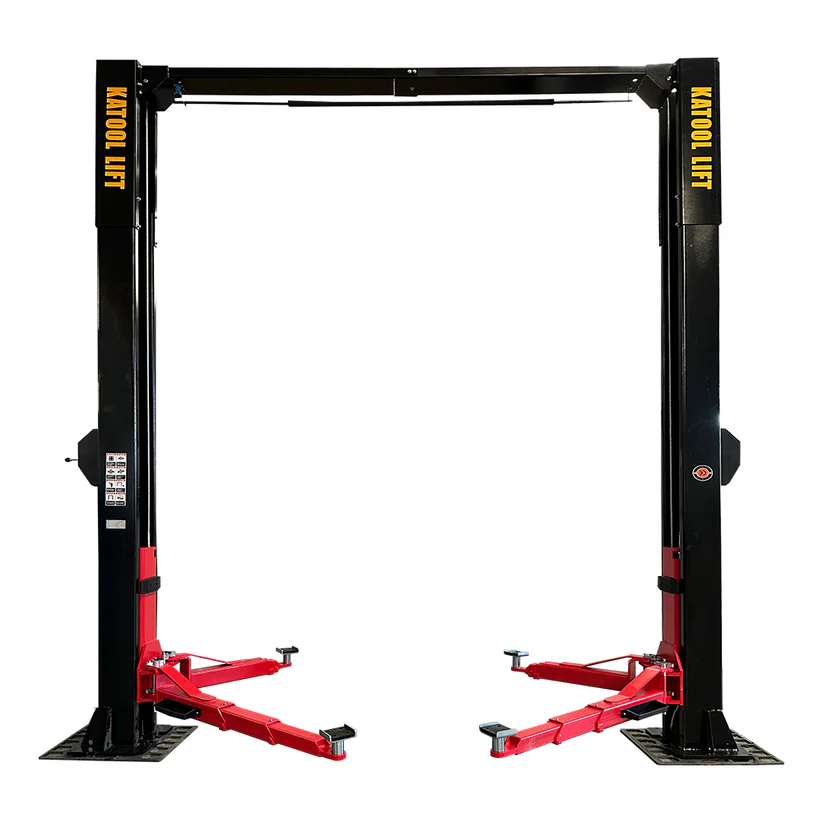
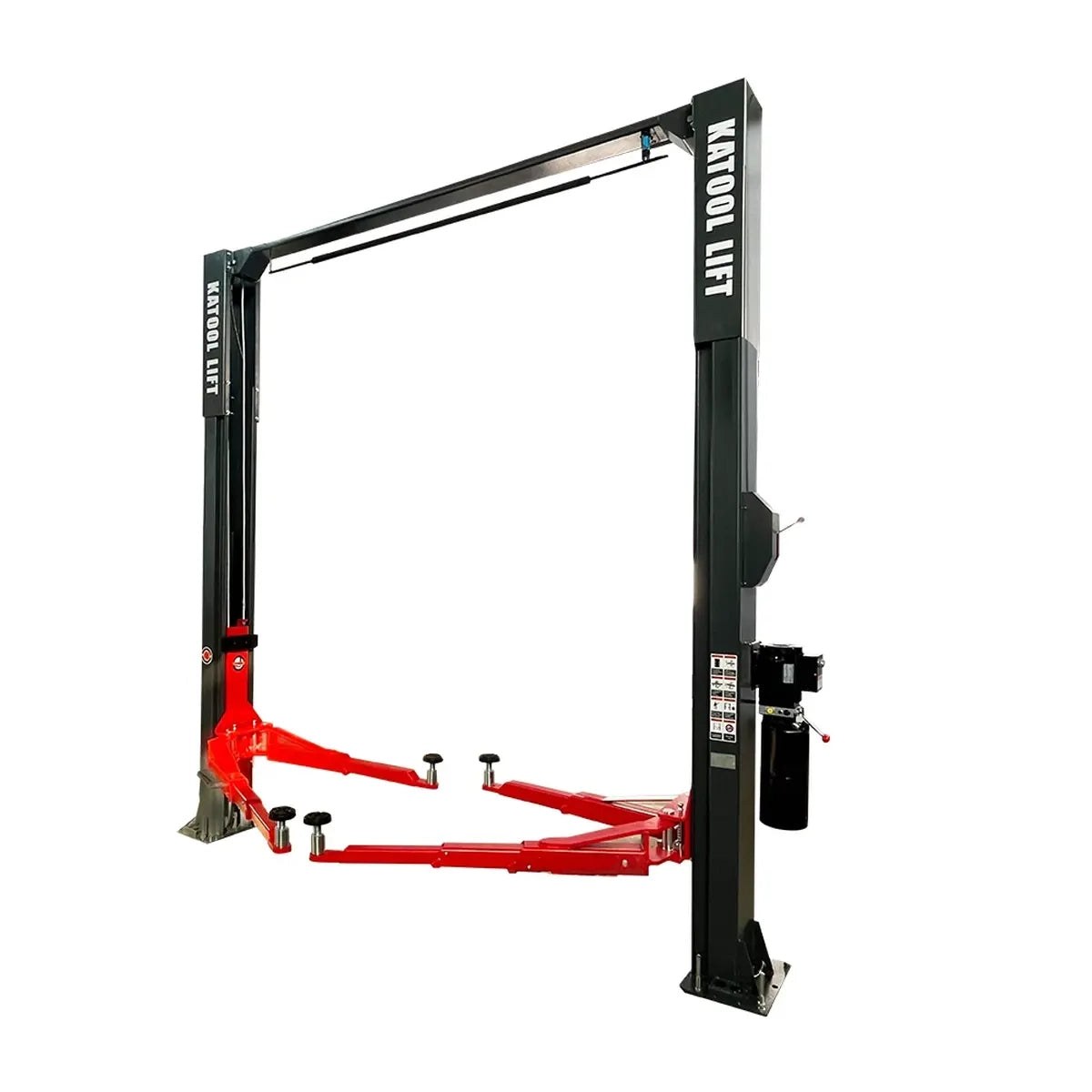
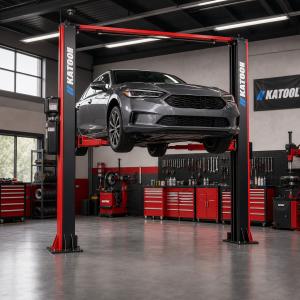
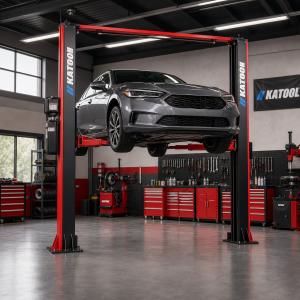
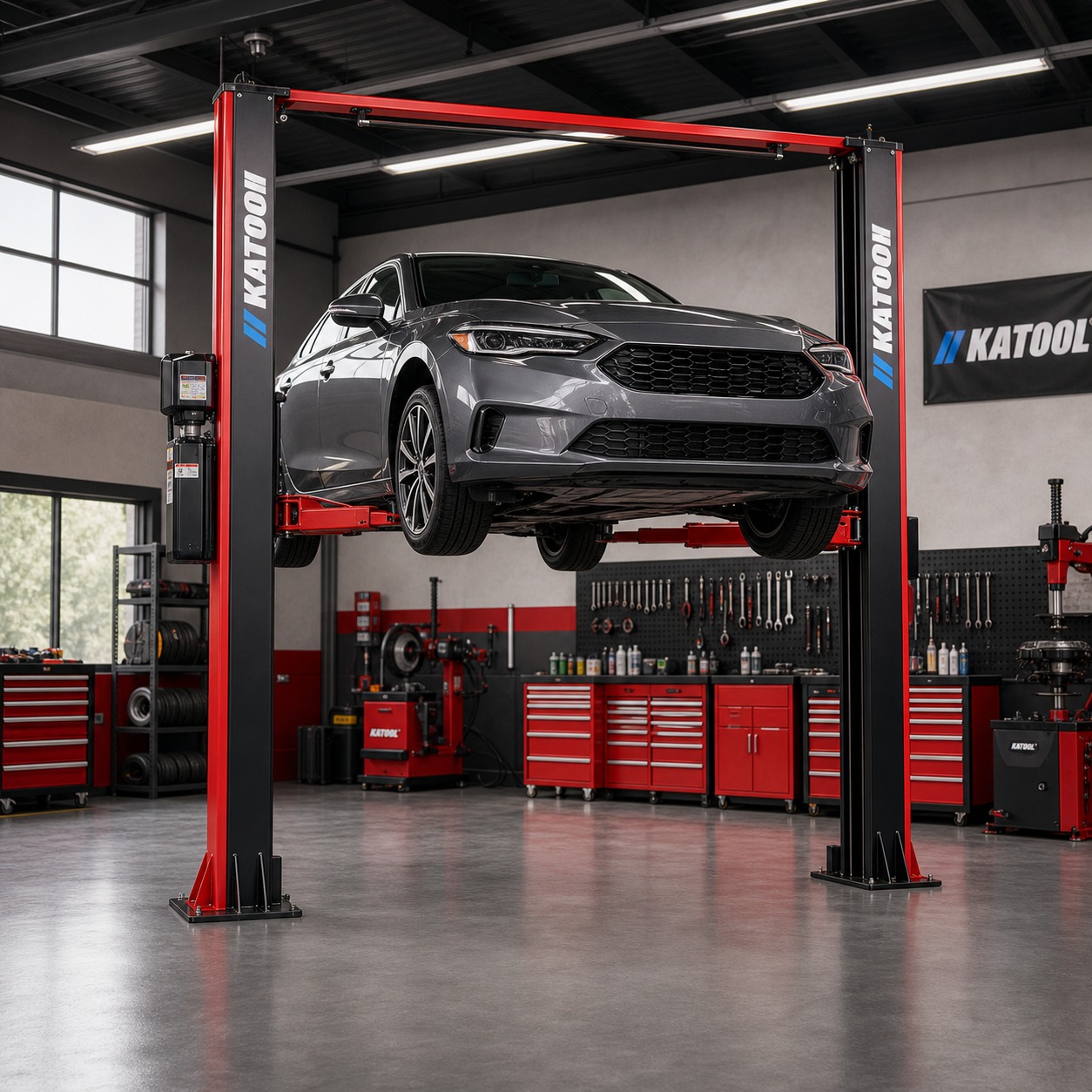
Walk around the lift and look for visible damage, loose components or anything that appears different from the previous working day. On a two post lift, check both columns and arm assemblies. On a four post or scissor lift, inspect the runways, platforms and approach areas that support vehicle movement.
Review Arms, Pads and Adapters
Lift arms should move and position as intended. Check pads, adapters and contact surfaces for damage or excessive wear. Confirm that the correct adapters are available for the vehicles scheduled that day and that technicians understand the approved vehicle lifting points.
Look at Cables, Chains, Hoses and Connections
Only perform the visual checks described in the equipment manual. Watch for obvious wear, leakage, damaged routing or loose connections. Internal adjustment, repair or replacement work should be completed by trained personnel following the correct technical procedure.
Test Controls and Mechanical Locks
Operate the lift without a vehicle when required by the manual and confirm that controls, limit functions and locking systems behave normally. Listen for unusual sound and watch for uneven movement. Do not continue using a lift that fails to operate or lock as expected.
Confirm Vehicle Capacity and Positioning
Before loading, compare the vehicle with the rated capacity and practical dimensions of the automotive lift. Vehicle weight distribution, wheelbase, lifting points and center of gravity all affect positioning. Raise the vehicle slowly at first, then pause to verify contact and stability as directed by the manual.
Record and Report Irregular Conditions
A simple inspection record helps different technicians communicate. Record unusual noise, leakage, damaged pads, lock behavior or other concerns and identify equipment that should remain out of service. Repair decisions should be based on the correct model documentation and qualified technical assessment.
Conclusion
Daily lift safety depends on consistent inspection, correct vehicle positioning and disciplined operation. Autokato supplies automotive service equipment for OEM, ODM and wholesale buyers. For equipment documentation or project requirements, contact the Autokato team.