Scissor Lift Maintenance Requirements for Reliable Use
Scissor Lift Maintenance Requirements for Reliable Use
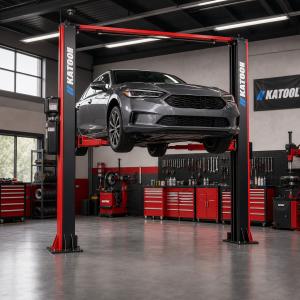
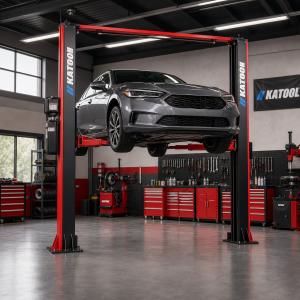
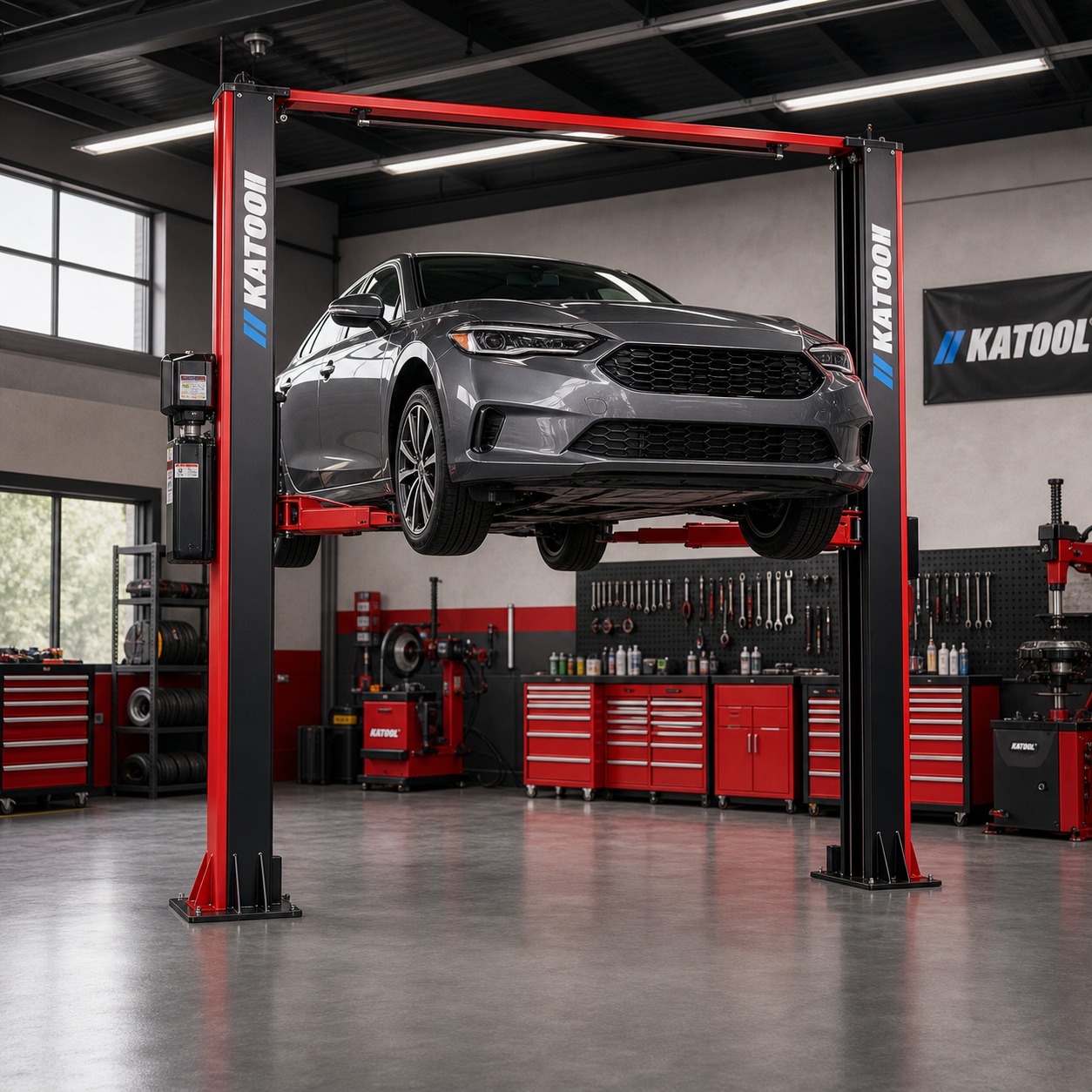
A scissor lift works best when maintenance is treated as part of normal operation rather than an occasional repair task. Regular care helps preserve lifting stability, reduce downtime and keep the machine ready for repeated service use.
Inspect the Lift Structure Frequently
Because a scissor lift depends on linked moving supports, visible wear or damage should be reviewed regularly. Early inspection helps catch issues before they affect lifting confidence or working access.
Keep the Lift Clean Around Moving Areas
Debris, dust and old grease can collect around the scissor mechanism and support surfaces. Cleaning these areas makes inspection easier and helps the lift move more smoothly over time.
Review Hydraulic Condition and Response
Hydraulic behavior plays a major role in lifting stability. If the lift begins moving unevenly, responding slowly or showing signs of leakage, the issue should be addressed before the machine returns to full daily workload.
Monitor Locking Points and Support Pads
Reliable support depends on more than just upward movement. Lock engagement and contact surface condition should be checked routinely so the lift can support service work safely and predictably.
Use the Lift Correctly During Daily Work
Operator habits affect wear just as much as mechanical condition. Careful vehicle positioning and normal lifting procedure help reduce unnecessary strain on the equipment.
Maintenance Supports Long-Term Value
A scissor lift that is cleaned, inspected and used properly will usually remain more dependable over time. That reliability matters especially in shops that count on the machine every day.
Conclusion
Autokato Engineering supplies KATOOL garage equipment for practical workshop use, including car lifts, wheel alignment systems, tire changers and related service equipment.