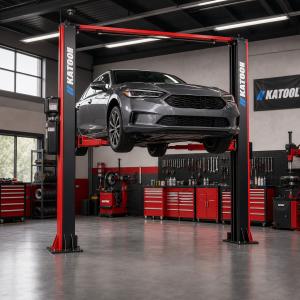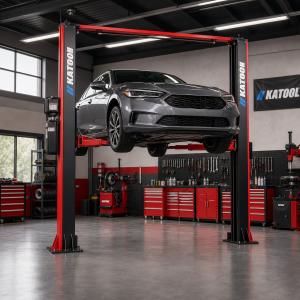
Scissor Lift Replacement Standards for Safer Workshop Use
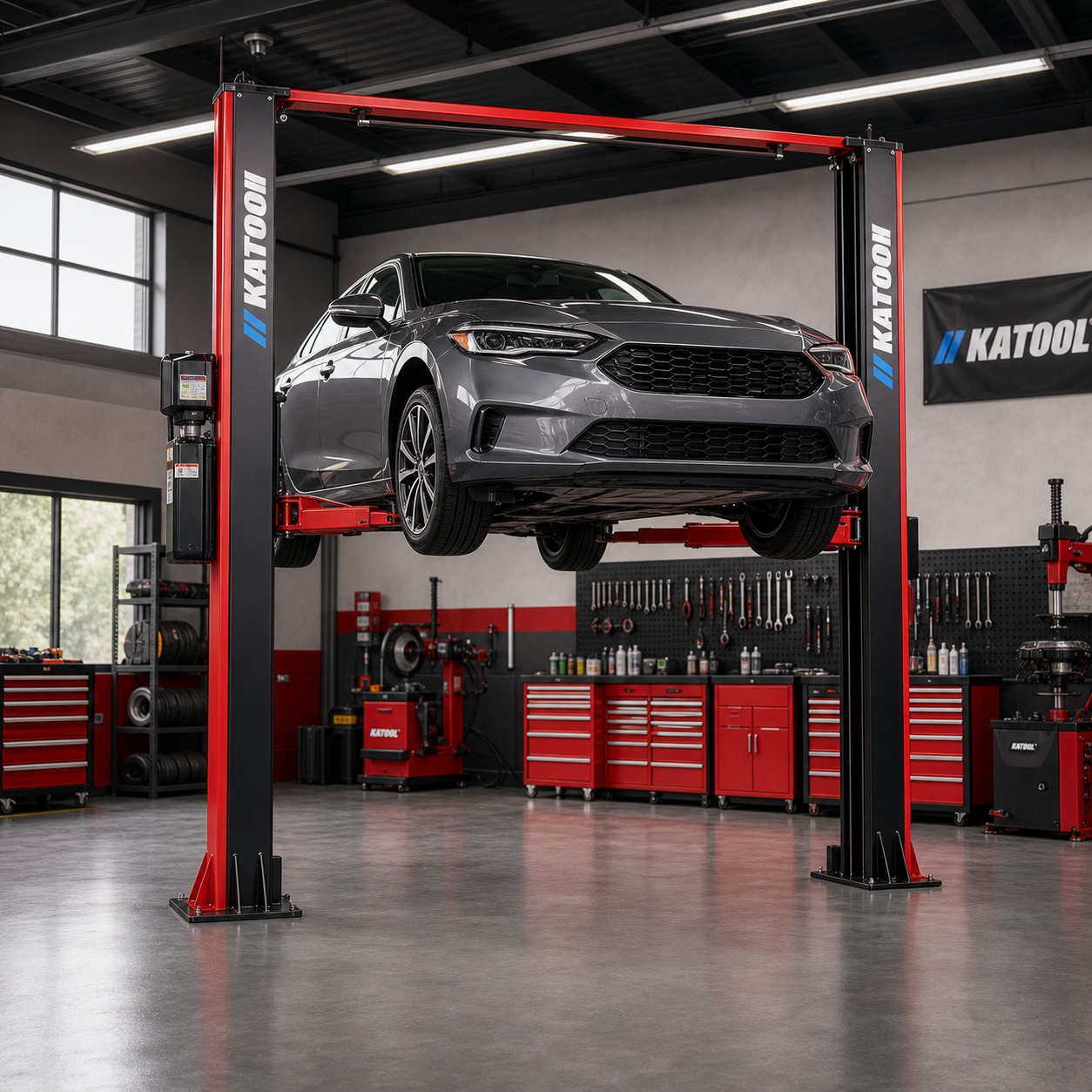
Scissor Lift Replacement Standards for Safer Workshop Use
Scissor lift replacement decisions should be based on visible wear, operating condition and the demands of daily service work. Clear standards help shops decide when parts deserve attention before reliability drops too far.
Inspect Wear at Moving Structure Points
The linked scissor structure should be reviewed for looseness, visible damage or movement that no longer feels stable under normal service conditions.
Replace Worn Contact and Support Components
Pads, support surfaces and other high-contact parts should be changed when wear begins to reduce secure vehicle support.
Respond Early to Hydraulic or Locking Changes
Delayed response, leakage or inconsistent lock behavior often signals that service or replacement review should happen sooner rather than later.
Match Replacement Timing to Real Workload
A lift used constantly in a busy workshop may reach replacement thresholds earlier than one used only occasionally.
Use Replacement Planning to Protect Reliability
Clear standards help a scissor lift remain safe, predictable and more practical throughout its service life.
Conclusion
Autokato Engineering supplies KATOOL garage equipment for practical workshop use, including car lifts, wheel alignment systems, tire changers and related service equipment.