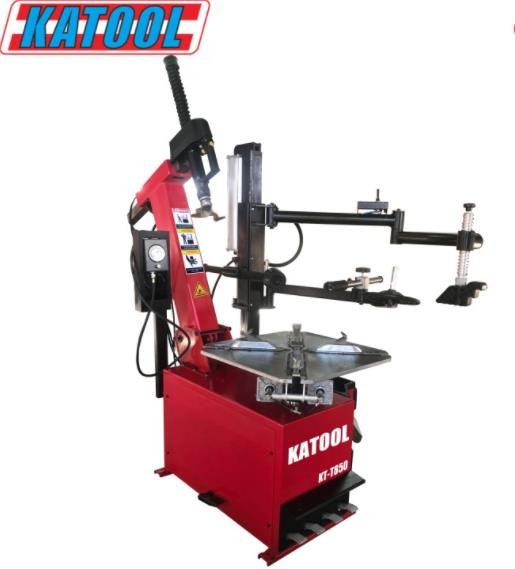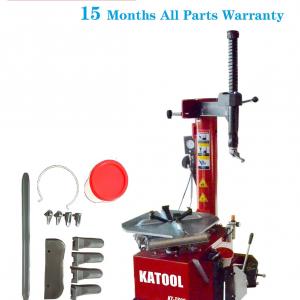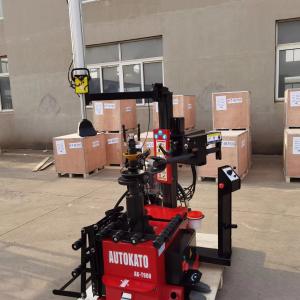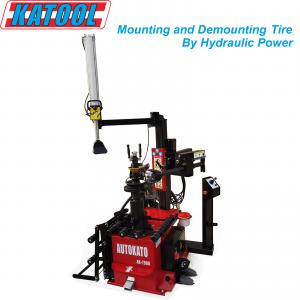
Tire Changer Buying Guide for Daily Shop Use
Tire Changer Buying Guide for Daily Shop Use
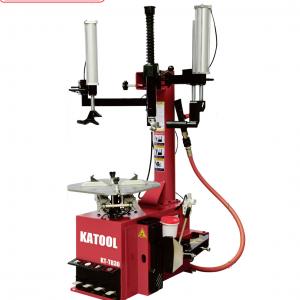
A tire changer used every day needs to do more than handle a tire occasionally. The right machine should fit your most common wheel sizes, support repeatable service speed and hold up under regular shop demand.
Start with the Wheels You Actually Service
Your buying decision should reflect the wheel diameters, tire profiles and vehicle categories that enter the shop most often. A machine that fits your real workload will always be more valuable than one chosen only for brochure features.
Think About Daily Volume and Operator Flow
Busy shops benefit from equipment that reduces unnecessary steps and keeps service moving. Control layout, helper options and ease of clamping can all influence how quickly technicians move from one job to the next.
Look for Stable Performance on Difficult Tires
As wheel sizes and tire constructions vary, machines need to perform consistently under tougher service conditions. A tire changer that stays predictable on tighter or lower-profile combinations can save time and reduce operator frustration.
Consider Fit with the Rest of the Tire Bay
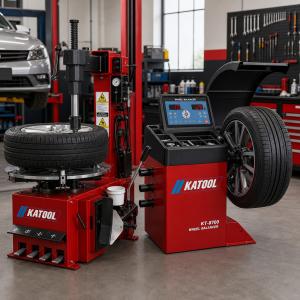
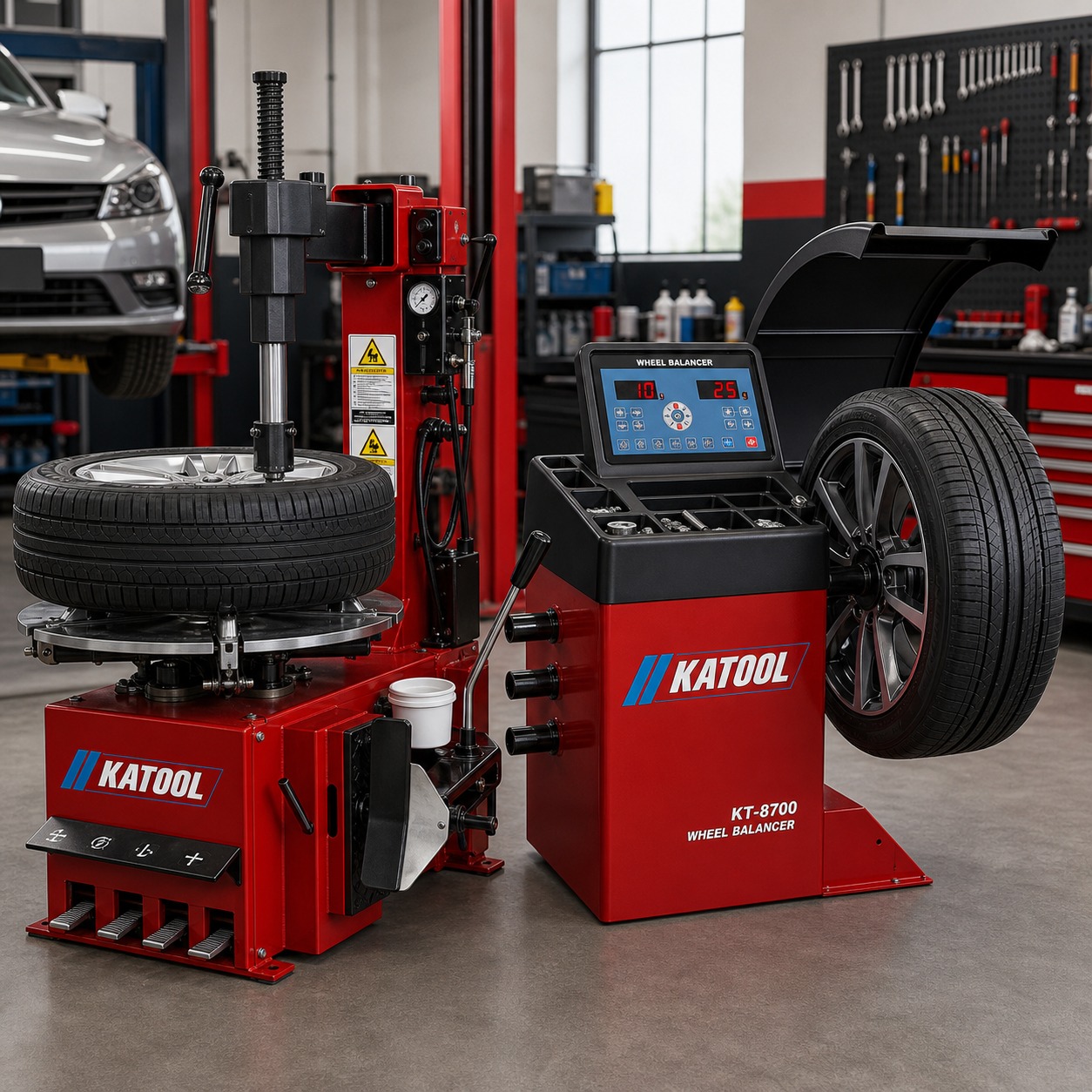
A tire changer works best when it fits naturally with your balancer, workbench and vehicle path. Good layout planning helps create a more efficient tire service area and reduces wasted movement inside the bay.
Check Durability and Service Support
Workshop machines are long-term tools, not temporary accessories. Build quality, replacement part access and after-sales support all influence whether the machine remains productive through years of regular use.
Buy for Today’s Work and Tomorrow’s Growth
The right tire changer should support your current service demand while leaving room to handle a broader range of jobs in the future. A good buying decision improves both efficiency and long-term shop confidence.
Conclusion
Autokato Engineering supplies KATOOL garage equipment for practical workshop use, including car lifts, wheel alignment systems, tire changers and related service equipment.