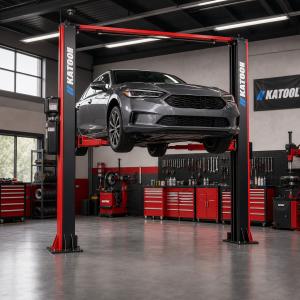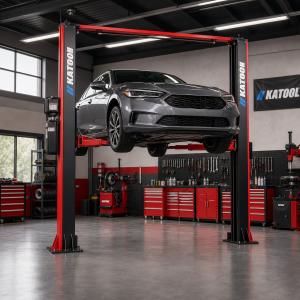
Two Post Lift Concrete Requirements and Installation Guide
Two Post Lift Concrete Requirements and Installation Guide
Correct two post lift concrete requirements are essential for a stable and serviceable installation. The lift capacity printed on the machine does not by itself determine whether an existing workshop floor is suitable. Buyers must also confirm slab thickness, concrete strength, reinforcement, condition, anchor locations and the loads applied to the surrounding structure.
This guide explains the questions a repair shop, distributor or installer should resolve before drilling. It is general planning information rather than a substitute for the current model manual, anchor instructions, local building requirements or approval from a qualified structural professional.
Start with the Exact Lift Model and Installation Manual
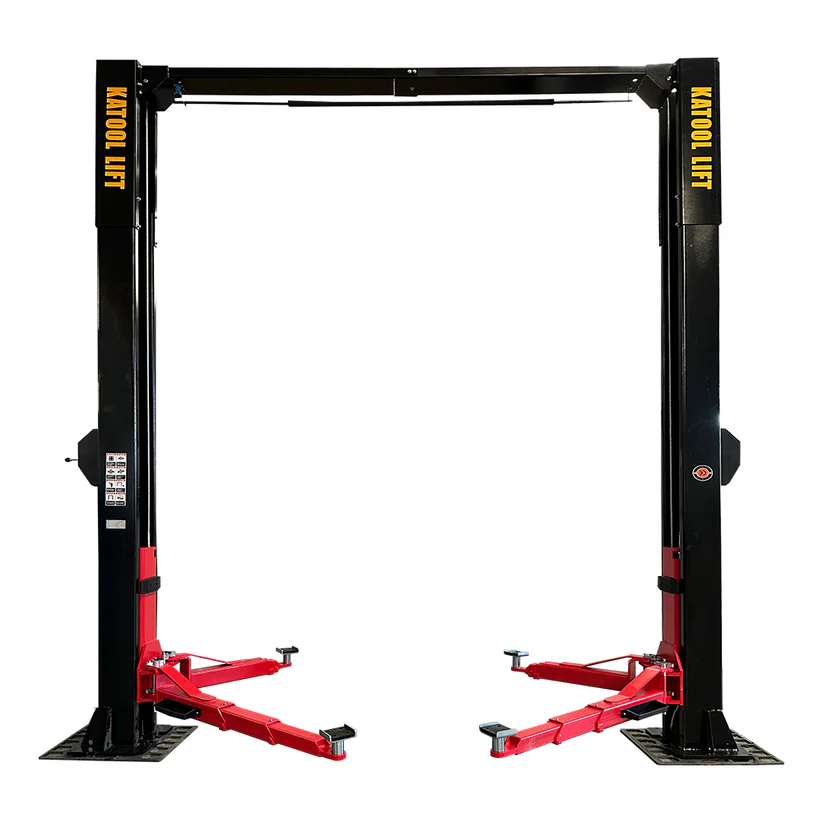
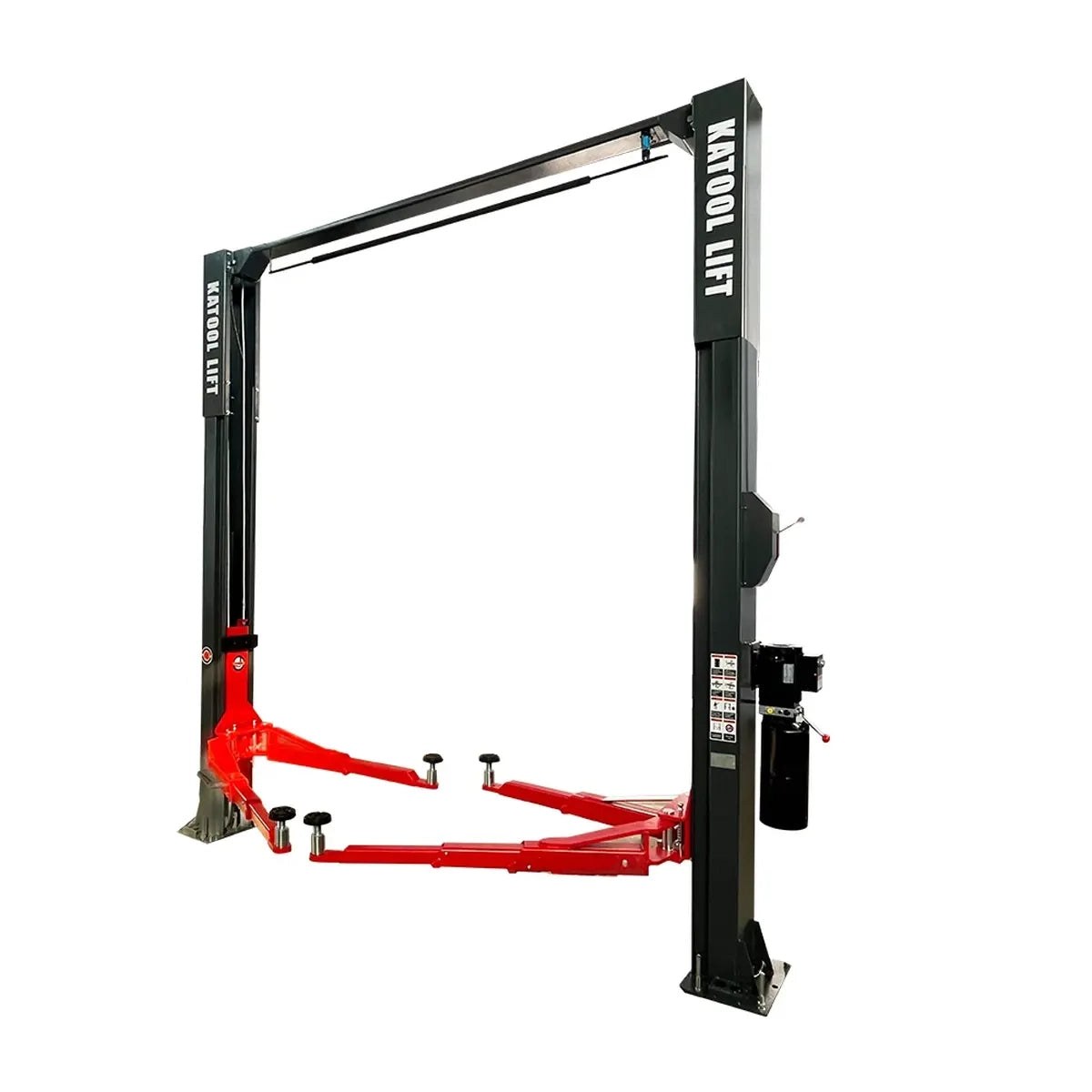
Concrete and anchoring requirements can vary between base-plate lifts, clear-floor lifts and heavy-duty models. The first step is to identify the exact model, rated capacity, column arrangement and supplied anchor system. Do not use specifications from a similar-looking lift or an older manual.
The Autokato KT-M140XD 14,000 lb two post lift is designed for heavier vehicle-service applications, while the Autokato KT-M110 two post auto lift serves a different workshop range. Their site requirements should be confirmed independently before purchase and installation.
Verify the Existing Concrete Instead of Guessing
An existing floor may look solid while its thickness, strength or reinforcement remains unknown. Review construction drawings when available. If reliable records do not exist, arrange appropriate site investigation before installation. The check should consider the slab itself as well as repairs, buried services, expansion joints and changes in floor level.
Never assume that age alone proves adequate strength. Cracks, spalling, chemical damage, previous anchor holes and poorly bonded repair patches can affect the proposed column locations. Asphalt, brick, pavers and decorative topping are not structural substitutes for an approved concrete foundation.
Concrete Thickness and Strength Are Model-Specific
Buyers frequently search for one universal car lift concrete thickness, but a single number is not appropriate for every lift. Required thickness and compressive strength depend on rated capacity, column loading, anchor type, slab design and local site conditions. Follow the latest manual for the exact model and use the more conservative requirement when different documents conflict until the manufacturer or engineer confirms the correct specification.
New concrete also needs the specified curing period before anchors are installed and the lift is loaded. Drilling early or placing the lift on concrete that has not reached the required strength can compromise the installation even when the finished slab dimensions appear correct.
Plan Anchor Locations Before Drilling
Anchor positions must respect the column base plates and the approved installation drawing. Check required distance from slab edges, cracks, construction joints, expansion joints, drains and previous holes. Confirm that drilling will not contact reinforcement, post-tension cables, electrical conduit, floor-heating pipes or other buried services.
Use the anchor type, diameter, embedment, hole preparation and tightening procedure specified for the lift. Substituting anchors or changing embedment without approval can change load performance. Hole cleaning and correct installation tools matter just as much as the nominal anchor size.
Check Bay Width, Ceiling Height and Vehicle Movement
A suitable slab is only one part of the installation. Measure clear ceiling height, column spacing, overhead obstructions, door travel, lighting, ventilation and technician access. Plan how vehicles enter the bay and how doors open after the vehicle is positioned. Include room for control boxes, power units, hydraulic lines and safe movement around both columns.
Workshops comparing different layouts can also review the two post lift or four post lift guide for repair shops before committing to the bay design.
Confirm Electrical, Hydraulic and Safety Requirements
Verify voltage, phase, circuit protection and isolation requirements before the lift arrives. Plan hydraulic hose routing and any pneumatic connection used for safety locks. Installation and commissioning should be completed by qualified personnel who understand the lift, the building and applicable local rules.
After installation, inspect column alignment, anchors, cables or chains, hydraulic connections, safety locks and arm restraints according to the manual. Complete the required unloaded and loaded checks before placing the lift into daily service. Keep the installation record and inspection schedule with the equipment documents.
Use Manuals and Certificates for the Exact Model
The Autokato automotive lift installation manuals page provides technical documents for available models. Buyers can also review published car lift certificates and test reports. Always confirm that a document applies to the exact model and configuration being installed.
Two Post Lift Site Checklist
Before ordering or drilling, confirm the model, rated capacity, current manual, slab records, concrete condition, required thickness and strength, curing status, reinforcement, buried services, edge and joint distances, anchor specification, ceiling height, bay width, electrical supply and installer responsibility. Record approvals in writing so the workshop, distributor and installer work from the same information.
Frequently Asked Questions
How thick should concrete be for a two post lift?
The required slab thickness and concrete strength depend on the exact lift model, capacity, anchor system and local conditions. Use the current installation manual and obtain approval from a qualified structural professional when the slab specification is unknown.
Can a two post lift be installed on asphalt?
No. A two post lift requires an approved structural concrete foundation. Asphalt, brick, pavers and damaged or unknown flooring are not suitable substitutes for the specified concrete base.
Can lift anchors be placed near a concrete joint?
Anchor distance from slab edges, cracks, joints and existing holes must follow the lift manual, anchor specification and site engineering requirements. Do not move anchor positions without approval.
Conclusion
A dependable two post lift installation begins with verified site conditions, not assumptions. Autokato Engineering supplies automotive service equipment and provides OEM and ODM support for distributors, importers and equipment brands. Contact Autokato about a two post lift project with the target vehicle range, lift capacity, building dimensions and known concrete information.