Two Post Lift Positioning Guide for Workshop Planning
Two Post Lift Positioning Guide for Workshop Planning
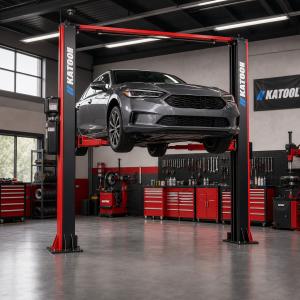
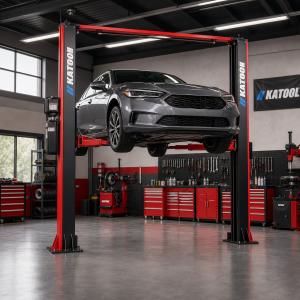
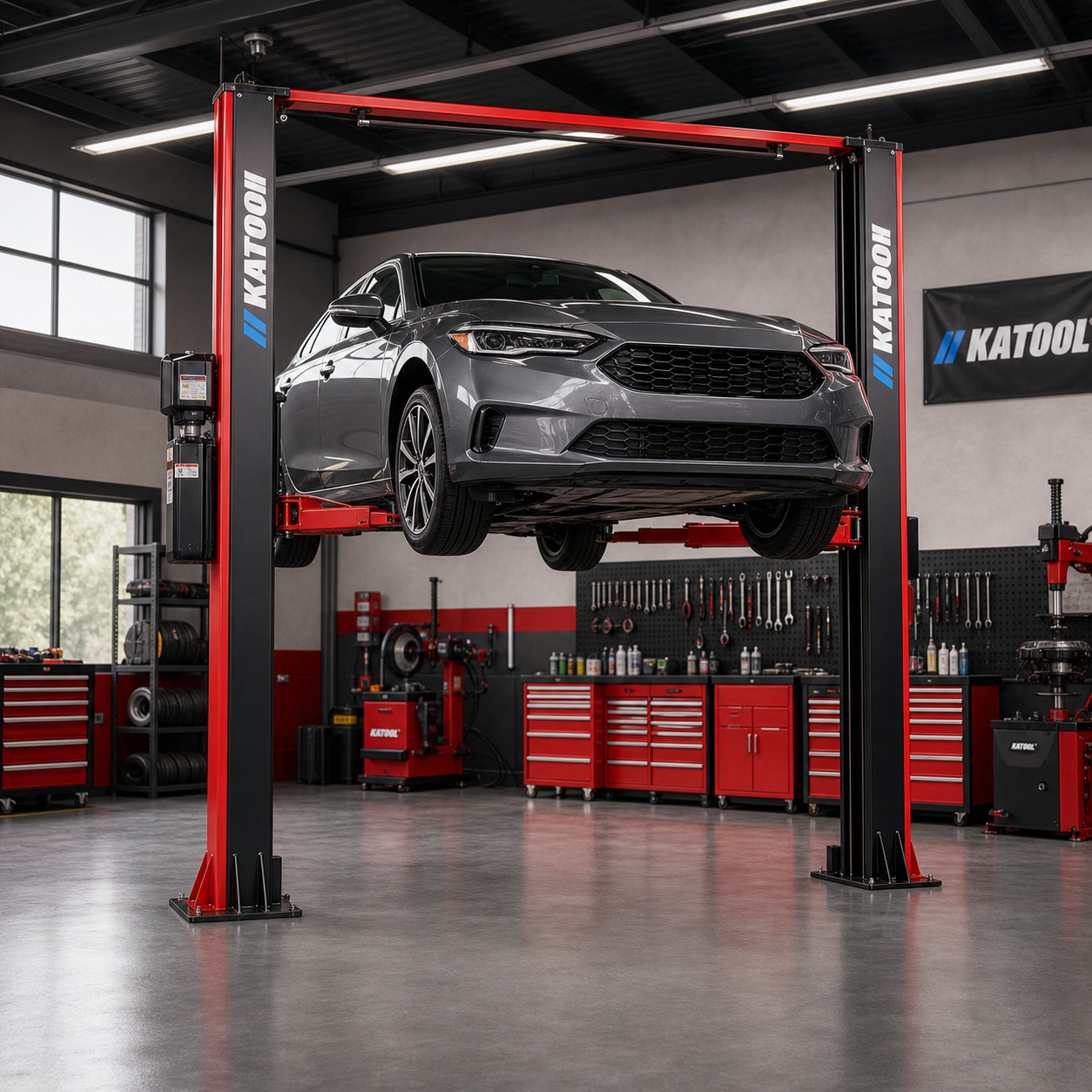
Two post lift performance depends heavily on where the equipment is placed in the workshop. Good positioning improves vehicle entry, arm movement and overall bay efficiency, while poor placement can create daily inconvenience and unnecessary risk.
Start with Natural Vehicle Approach
The lift should be positioned where vehicles can enter the bay and align without awkward steering. A clear and natural approach path makes daily loading faster and more repeatable.
Leave Room for Arms and Doors
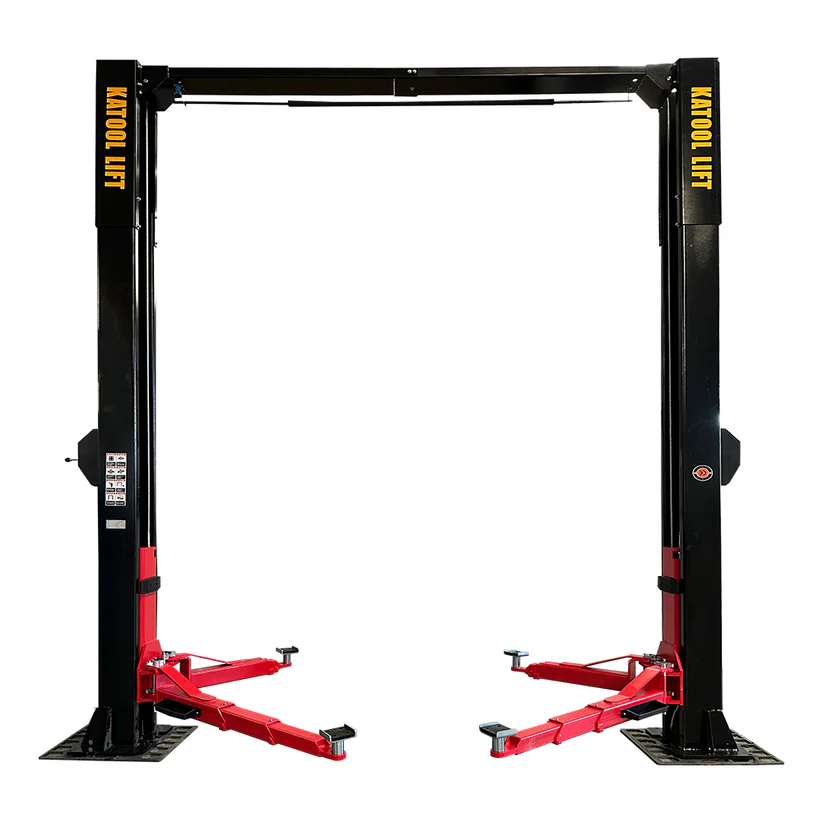
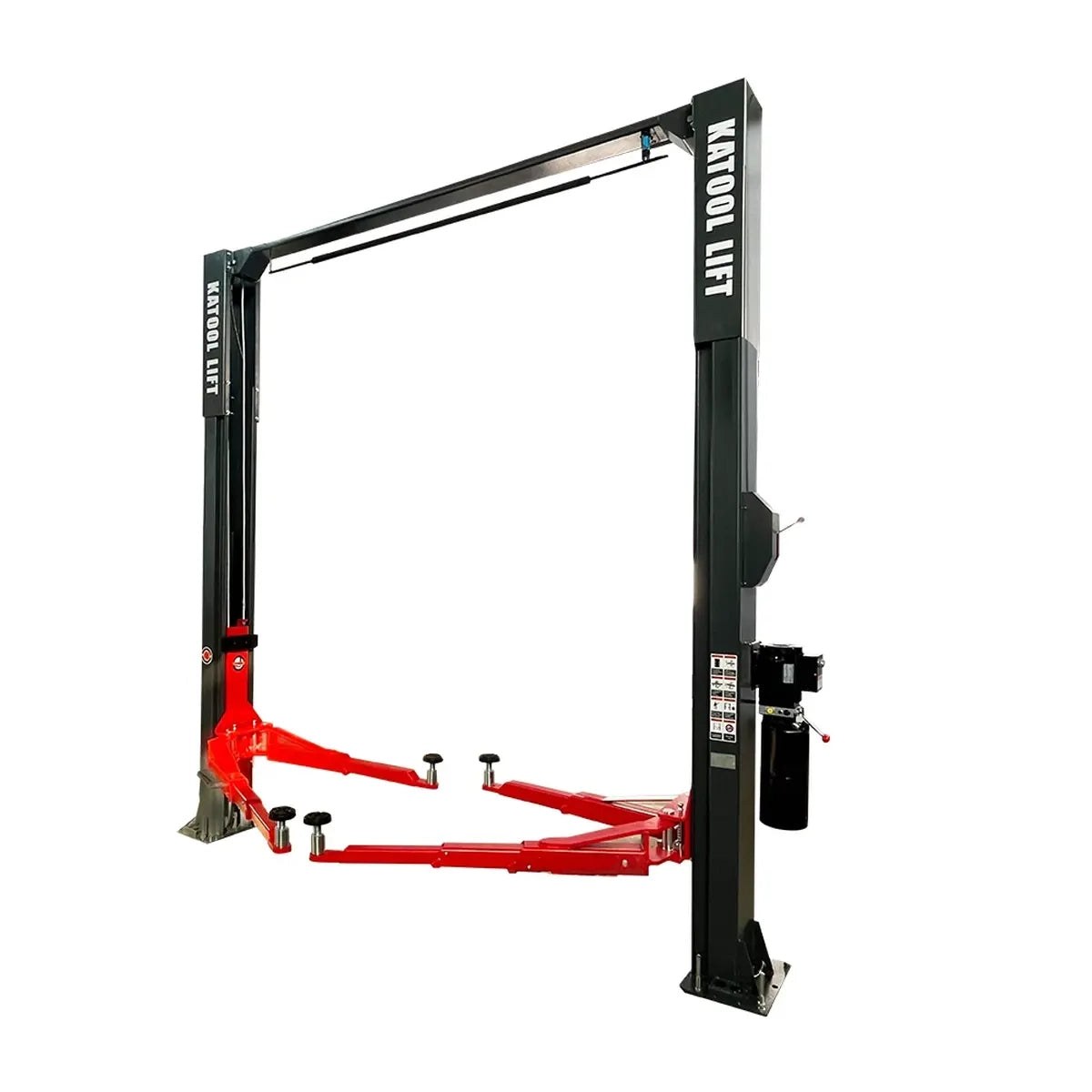
A two post lift needs surrounding space for correct arm movement and comfortable technician access. Tight placement may fit the room but still reduce real-world usability.
Think About Mixed Vehicle Sizes
Workshop planning should account for the range of vehicles that will actually use the lift. What works well for a compact car may not feel nearly as practical for longer or wider vehicles.
Avoid Interference from Walls and Equipment
Nearby cabinets, toolboxes and structural obstacles can affect how naturally the lift works in the bay. A clean layout around the posts helps support better daily movement.
Positioning Influences Safety as Well as Speed
When a lift is easier to load and center correctly, operators are more likely to follow good procedure every time. Better positioning supports both safer operation and stronger long-term workflow.
Conclusion
A two post lift should be planned as part of the full bay system, not as an isolated machine. The better it fits the workshop layout, the better it will perform every day.