Two Post Lift Structure and Working Principle
Two Post Lift Structure and Working Principle
A two post lift is built to raise a vehicle from side support points while leaving the wheels and underbody accessible. Understanding its structure and working principle helps buyers compare models and helps operators appreciate why correct use matters so much.
Two Main Posts Create the Support Framework
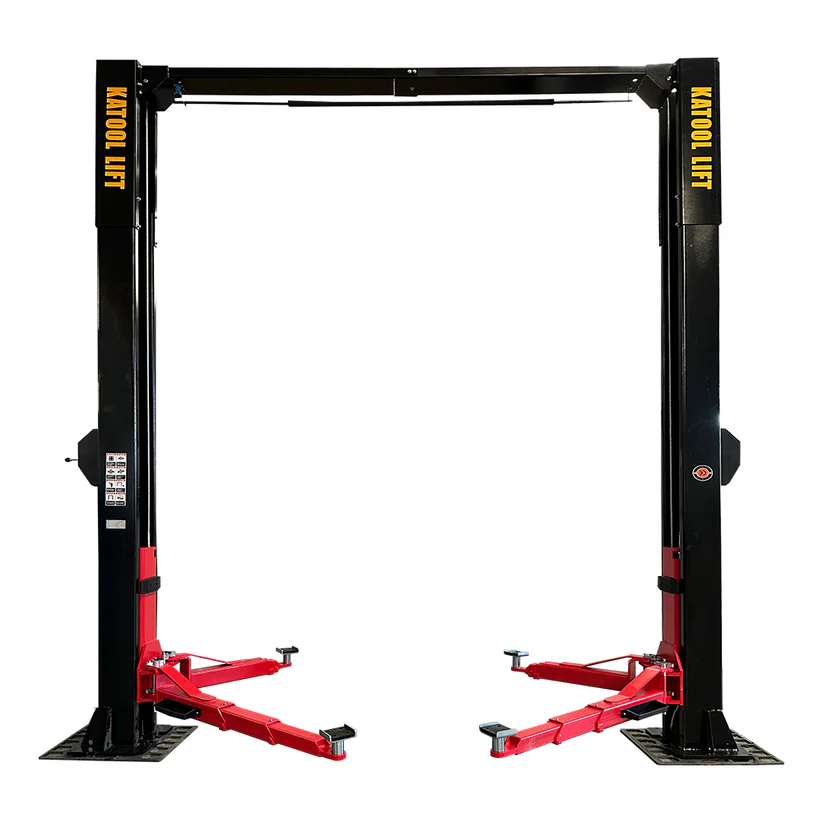
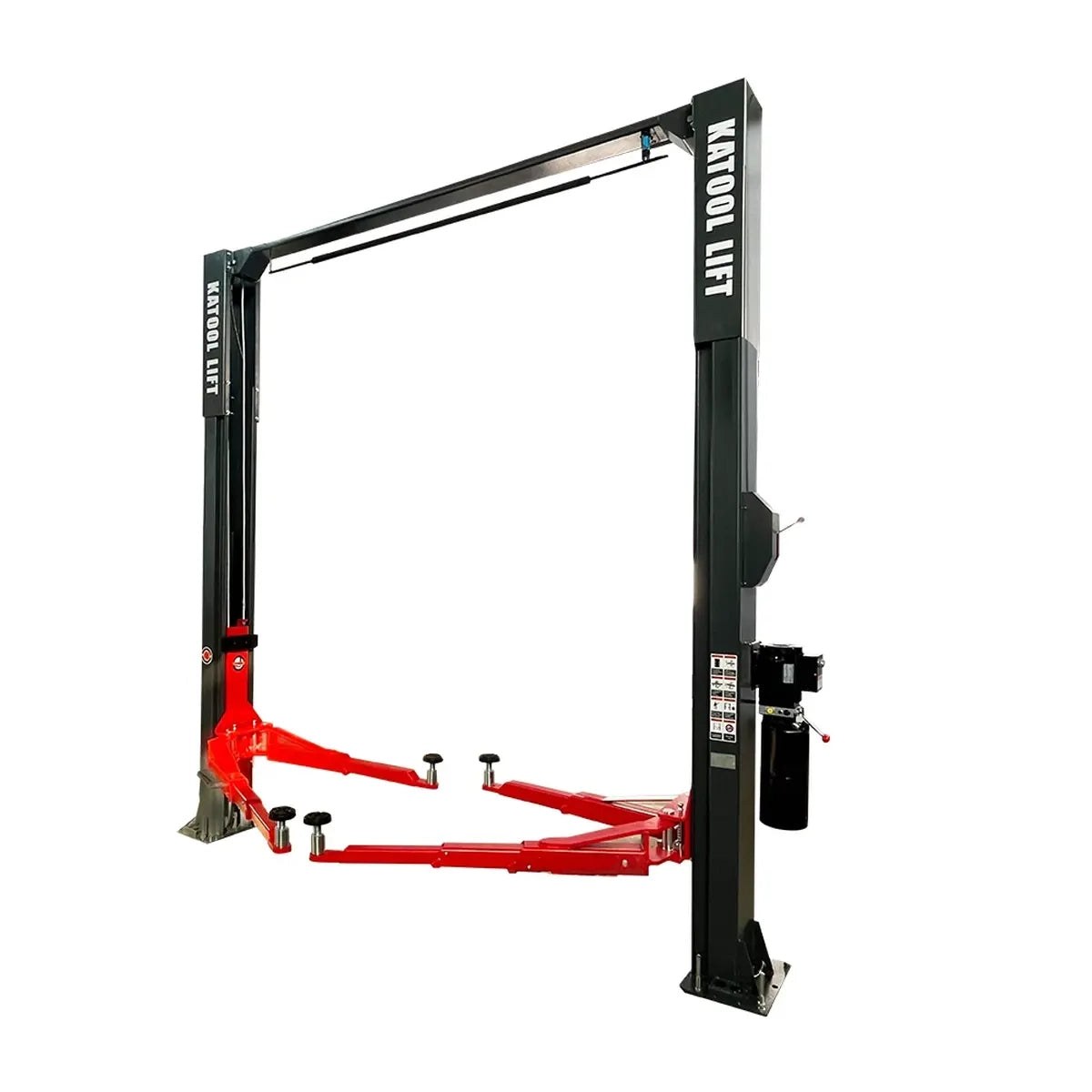
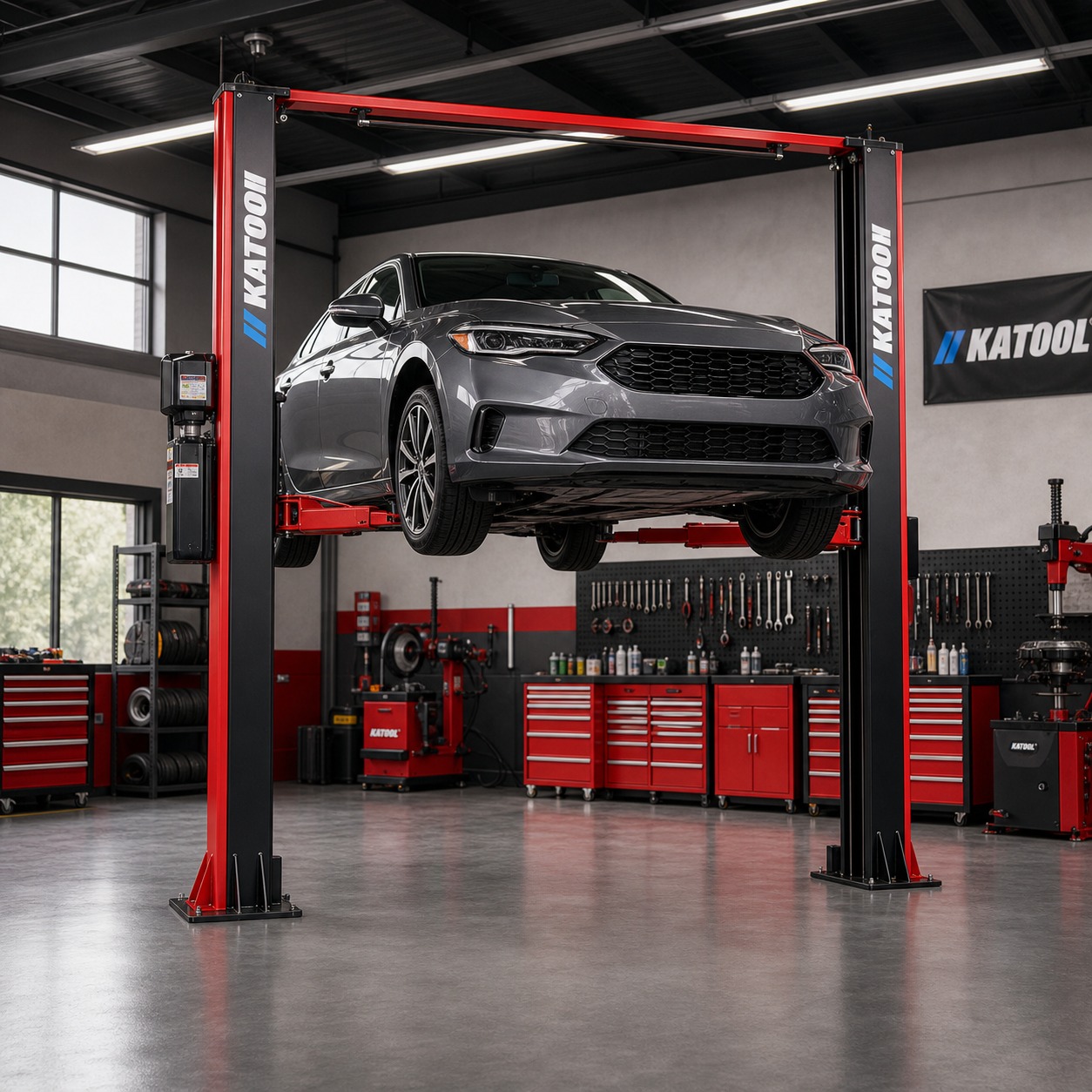
The lift uses two vertical posts connected by a structural system that guides the lifting action. These posts support the movement of the arms and help maintain stability as the vehicle rises.
Arms Transfer the Load to the Lift
Unlike drive-on runway systems, a two post lift raises the vehicle through arm contact at approved support points. This design is what gives the lift such useful wheel and underbody access in repair work.
Hydraulic Force and Mechanical Guidance Work Together
The lift relies on controlled lifting force along with a structure that keeps the movement coordinated and stable. The working principle is simple in concept, but safe use depends on balance and correct setup.
Locks Add a Critical Safety Layer
A properly designed two post lift does not rely on lifting force alone during active service. Safety locks are part of the structure’s intended operation and support dependable use once the vehicle is raised.
Design Differences Affect Daily Use
Arm style, column layout and overall capacity influence how naturally a lift fits different vehicle types and workshop routines. This is why two post lifts should be compared on real use factors, not just headline specifications.
Conclusion
The structure of a two post lift is built around access, balance and controlled support. When operators understand how it works, safer and more effective use usually follows.
Related two post lift resources: Review the two post lift daily safety guide, the workshop car lift safety checklist, and our auto lift range.