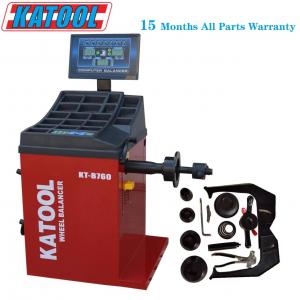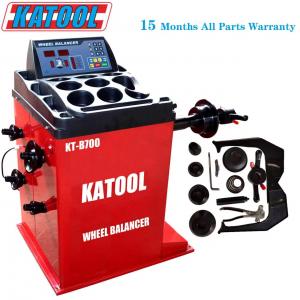
Wheel Balancer Calibration Tips for More Accurate Service
Wheel Balancer Calibration Tips for More Accurate Service
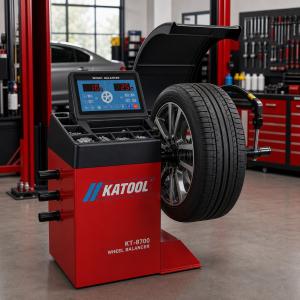
Wheel balancing quality has a direct effect on customer satisfaction. If a vehicle leaves the shop with steering vibration, uneven tire feel or repeat balance complaints, technicians often have to spend extra time checking the same wheel again. In many cases, the issue is not only the wheel or the tire itself, but also the condition and calibration status of the wheel balancer machine.
Regular calibration helps a wheel balancer produce more accurate data, support smoother operation and reduce unnecessary rework. For repair shops and tire service centers, good calibration practice is a simple way to improve daily service quality.
Why Calibration Matters
A wheel balancer measures the position and amount of imbalance on a rotating wheel. If the machine is not calibrated correctly, the displayed data may be slightly off. Even a small error can lead to incorrect weight placement, which can cause vibration at road speed and reduce the overall quality of the service result.
Calibration is especially important in busy workshops where the machine is used frequently throughout the day. Long-term use, movement, vibration, dust or accidental impact can all affect balancing consistency over time.
Keep the Machine Stable Before Calibration
Before running a calibration procedure, check that the wheel balancer is standing level and firmly installed. A machine that rocks slightly or is not positioned securely may produce unstable readings. Clean the work area around the shaft, measuring arm and mounting surface so no dust or debris interferes with the setup.
Good calibration starts with a clean and stable machine environment.
Inspect the Shaft and Cones
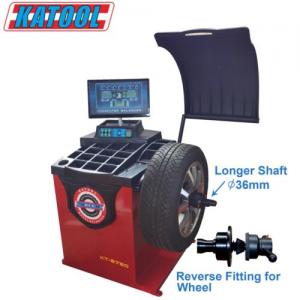
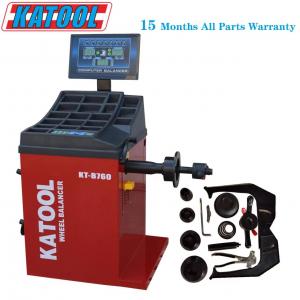
The shaft, cones and mounting accessories should be checked before calibration. If the cone does not center the wheel correctly or if the shaft surface is worn or dirty, the machine may not read the wheel position consistently. Technicians should verify that the accessories are clean, properly matched and seated firmly during setup.
Using the correct cone size and securing the wheel correctly are just as important as the calibration procedure itself.
Follow the Recommended Calibration Process
Most modern wheel balancer machines include a built-in self-calibration routine. This procedure usually requires a standard wheel and a test weight. Operators should follow the machine guidance carefully and complete each step in the correct order. Rushing the process or using incorrect weight values can reduce the effectiveness of the calibration.
If your workshop uses the balancer heavily every day, it is a good idea to include calibration checks in the regular maintenance routine instead of waiting until balancing complaints appear.
Recheck Input Measurements
Balancing accuracy depends not only on calibration, but also on correct wheel data input. Operators should confirm wheel width, diameter and offset measurements before starting the spin cycle. Even a properly calibrated machine may give poor results if the wheel parameters are entered incorrectly.
Training staff to use the measuring arm correctly and double-check values can reduce operating mistakes and improve consistency across the service team.
Watch for Signs of Inaccurate Results
Several workshop symptoms can suggest that the wheel balancer needs recalibration. These include repeat balancing on the same wheel, vibration complaints after service, frequent repositioning of balance weights or different readings when the same wheel is spun more than once. When these signs appear, the machine should be checked instead of assuming every issue comes from the tire.
Early correction saves time and helps maintain customer confidence.
Support Accuracy With Routine Maintenance
Calibration works best when the machine is also maintained properly. Clean moving areas regularly, inspect the measuring arm, protect electronic components from excessive dust and make sure the shaft area stays in good condition. Routine maintenance helps the machine keep its calibration longer and supports more dependable results in daily use.
Conclusion
Wheel balancer calibration is a small task that can make a big difference in service quality. Accurate calibration helps reduce vibration complaints, improve weight placement accuracy and support more professional wheel service in the workshop. For tire shops, repair garages and distributors looking for reliable balancing equipment, stable machine performance is just as important as the machine itself.
Autokato Engineering supplies KATOOL wheel balancer machines for professional workshop use. If you are looking for balancing equipment that supports accurate daily service, our team can help you choose the right solution.