Wheel Balancer Maintenance Checklist for Consistent Accuracy
Wheel Balancer Maintenance Checklist for Consistent Accuracy
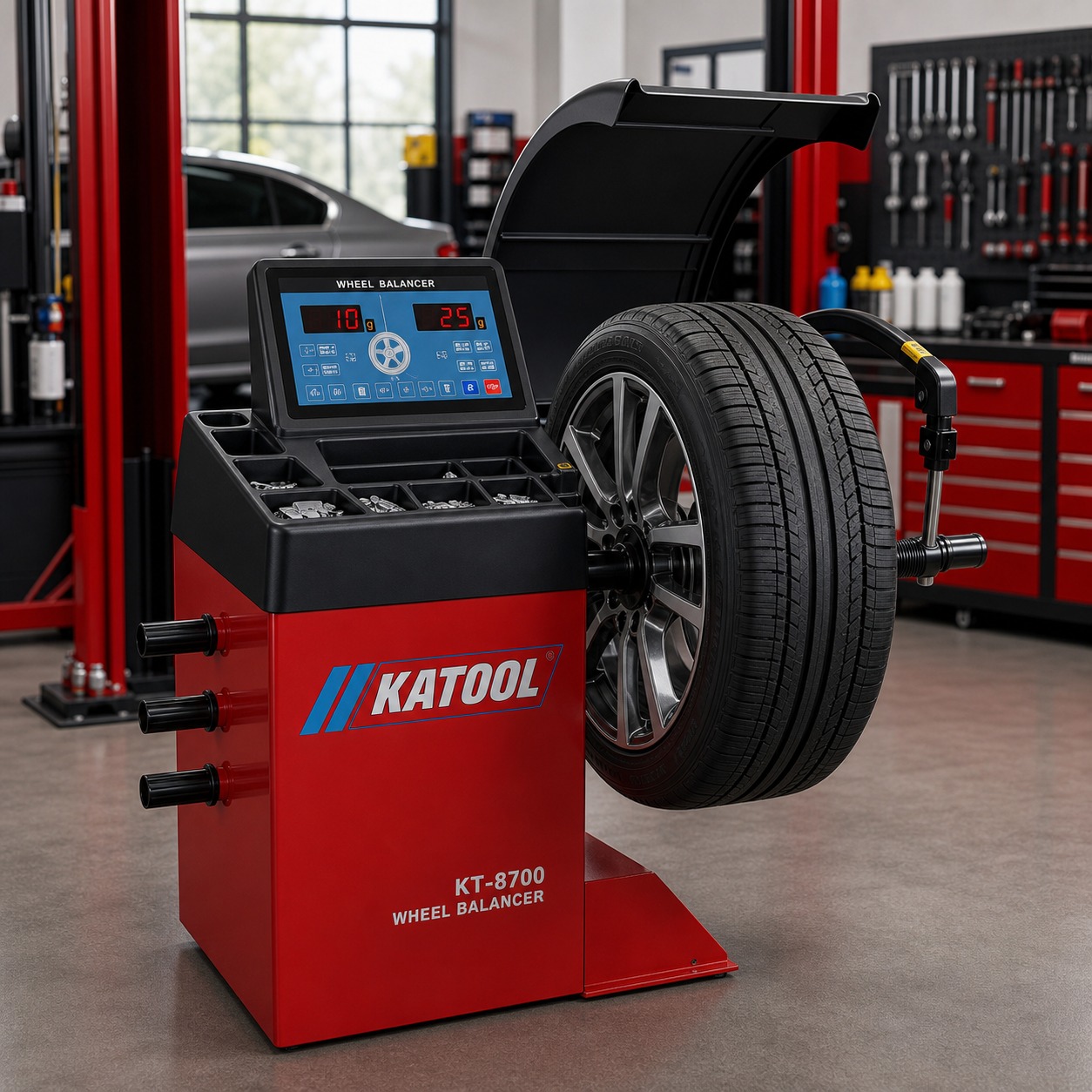
A wheel balancing machine depends on clean mounting surfaces, suitable accessories and consistent operating practice. A maintenance routine helps a workshop reduce avoidable repeat measurements and identify changes before they affect daily service.
Clean the Shaft and Mounting Surfaces Daily
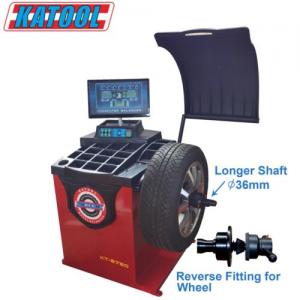
Dirt, old wheel-weight adhesive and debris can affect how a wheel is mounted. Keep the shaft, cones, spacers, flange surfaces and quick nut clean according to the machine manual. Do not use cleaning methods or chemicals that could damage finished surfaces, sensors or electrical components.
Organize and Inspect Cones and Adapters
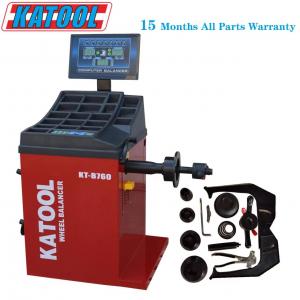
Store accessories where they cannot be dropped or mixed with damaged parts. Check cones, spacers and adapters for visible wear before use. A damaged or unsuitable mounting accessory can make a good machine appear inconsistent because the wheel is not centered in the same position each time.
Check Mounting Repeatability
When results appear unusual, remove and remount the wheel using the correct accessory, then repeat the measurement. Large differences may indicate a mounting problem, contamination or a need for further inspection. Follow the troubleshooting sequence provided for the exact model instead of changing internal settings without evidence.
Follow the Recommended Calibration Procedure
Calibration requirements vary by wheel balancer. Use the specified calibration weight, wheel and sequence in the product manual. Calibration should not be treated as a substitute for correct mounting, accurate wheel-data entry or clean accessories.
Inspect Cables, Guards and Moving Parts
Check visible cables, plugs, guards and external moving components for damage. If the machine uses compressed air, inspect accessible hoses and connections as directed by the manual. Disconnect equipment from power before maintenance whenever the instructions require it.
Keep a Simple Maintenance Record
Record cleaning, calibration, accessory replacement and unusual readings. A short history helps technicians determine whether a problem is linked to one wheel, one accessory or a developing equipment issue. It also makes communication easier when technical support is required.
Know When to Stop and Request Service
Unexpected vibration, repeated measurement changes, damaged electrical components or abnormal sound should not be ignored. Stop using the machine when required and consult qualified service personnel or the model documentation. Internal repair should be performed only by trained personnel.
Conclusion
Consistent balancing accuracy starts with careful mounting and routine maintenance. Autokato provides OEM and ODM automotive service equipment solutions for brands, distributors and importers. Buyers planning a wheel service equipment program can review our garage equipment range or contact Autokato.