Wheel Balancer Selection Checklist for Small Tire Shops
Wheel Balancer Selection Checklist for Small Tire Shops
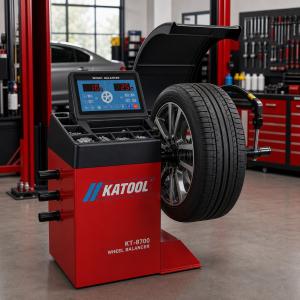
A small tire shop does not need the largest or most complicated balancing machine. It needs a wheel balancer that matches daily wheel sizes, available floor space, technician experience and expected service volume. Using a practical checklist makes it easier to compare machines without paying for functions the shop will rarely use.
Estimate Daily Balancing Volume
Start with the number of wheels normally balanced during a working day. A low-volume repair garage may value simple controls and quick setup, while a busy tire shop should pay more attention to measuring speed, repeatability and how efficiently technicians can move from one wheel to the next. Expected future growth should also be considered so the machine does not become a bottleneck too soon.
List the Wheel Sizes You Service
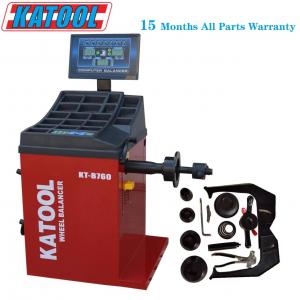
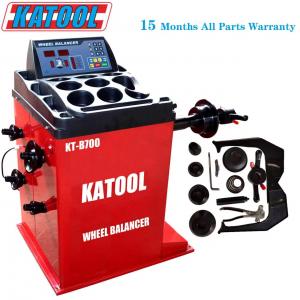
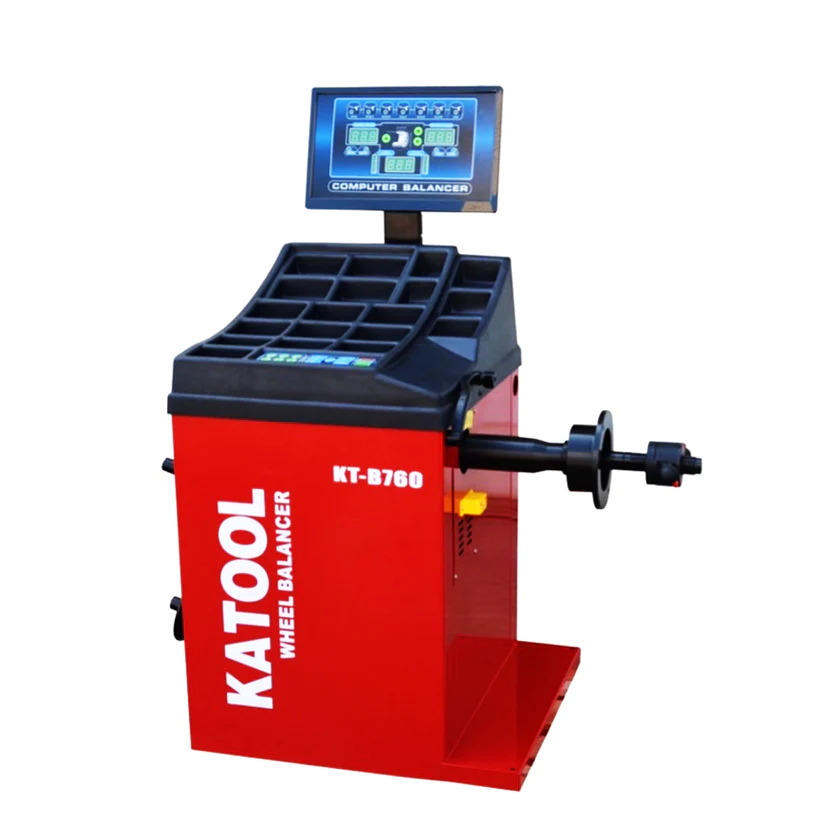
Record the common rim diameters, wheel widths and vehicle types handled by the shop. Passenger cars, SUVs, light trucks and motorcycle wheels can require different accessories or operating modes. Buyers should confirm the supported wheel range and available adapters before ordering rather than relying only on a general product photo.
Compare Operation and Measuring Functions
A practical balancing machine should make wheel data entry, measurement and weight-position guidance easy to understand. Compare automatic measurement functions, available balancing modes, display clarity and the steps required for a normal balancing cycle. A straightforward workflow can be more valuable to a small team than a long feature list.
Check Repeatability and Mounting Accessories
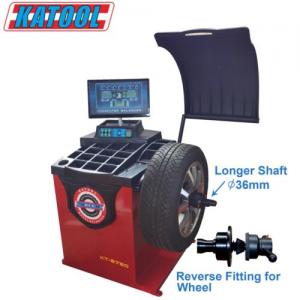
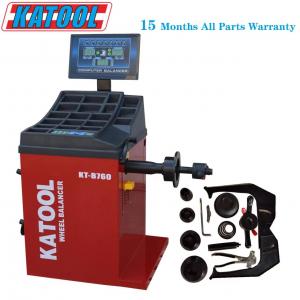
Stable results depend on both the machine and correct wheel mounting. Ask which cones, spacers, quick nuts and optional adapters are included. The shaft and mounting accessories should be suitable for the wheels the shop services most often. Technicians should also be able to repeat a measurement after removing and remounting the wheel with consistent results.
Plan Floor Space and Power Supply
Measure the installation area, including the space needed to lift and mount a wheel safely. Confirm the local voltage and plug requirements before shipment. Shops building a complete tire service bay should also plan the working distance between the wheel balancer, tire changer, wheel-weight storage and air supply.
Evaluate OEM and Supplier Support
For distributors and private-label buyers, machine selection also involves packaging, documentation, spare parts and model consistency. Autokato provides OEM and ODM automotive service equipment solutions for brands, importers and distributors. Project requirements can be discussed through the Autokato OEM inquiry page.
Conclusion
The best wheel balancer for a small tire shop is the model that covers real wheel sizes, fits the available workspace and gives technicians a repeatable daily process. Compare workload, wheel compatibility, controls, accessories and supplier support before making the final choice.