
Four Wheel Alignment: What You Need to Know
Four Wheel Alignment: What You Need to Know
Four wheel alignment is one of the most important services for maintaining stable driving, even tire wear and better steering feel. When the wheel angles are not within the proper range, a vehicle may begin to pull, wear tires unevenly or feel less controlled on the road. Understanding the basics of alignment helps explain why it matters so much in both routine service and long-term vehicle care.
What Four Wheel Alignment Means
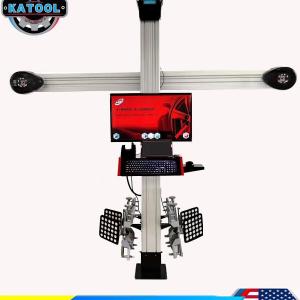
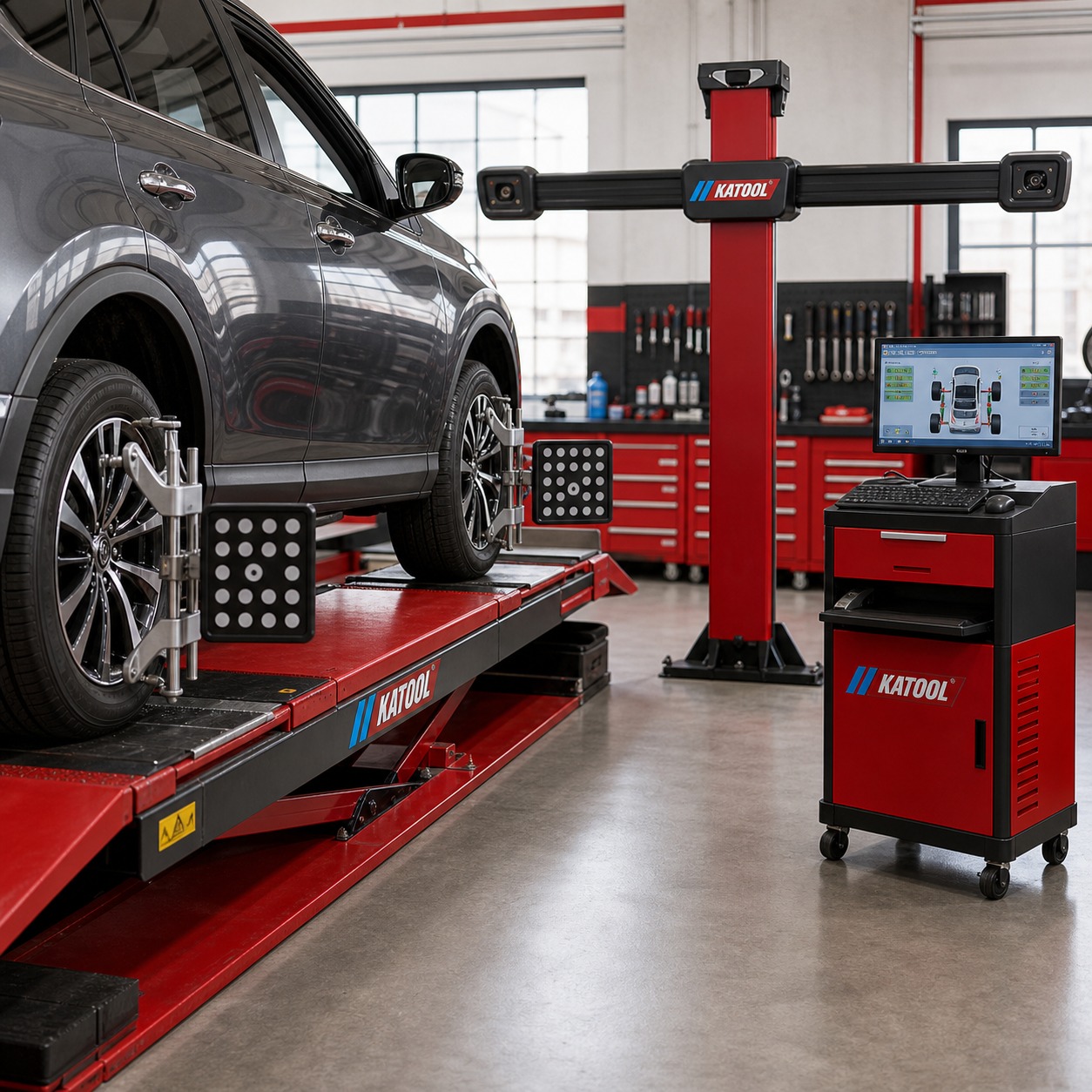
Four wheel alignment refers to checking and adjusting the wheel angles so the tires sit correctly relative to the road and the vehicle body. This process helps the vehicle track more evenly and allows the tires to wear in a more balanced way. Modern shops use dedicated alignment equipment to measure these angles accurately and guide the adjustment process.
Why Alignment Matters for Tire Life
One of the clearest signs of alignment problems is uneven tire wear. When the wheels are not positioned correctly, one part of the tread may wear faster than the rest. Over time, that can shorten tire life and increase replacement costs. Correct alignment helps the tires meet the road more evenly and supports more consistent wear patterns.
How Alignment Affects Driving Feel
Alignment also plays a major role in steering stability. A vehicle with poor alignment may drift to one side, feel less centered through the steering wheel or seem less stable on straight roads. These changes are often gradual, which is why many drivers do not notice the problem immediately. A proper alignment service can help restore smoother and more predictable handling.
When Alignment Should Be Checked
Alignment is commonly checked after a curb impact, pothole strike, suspension repair or when uneven tire wear becomes visible. It is also useful whenever drivers report pulling, unstable steering or a steering wheel that no longer sits centered while driving straight.
Why Professional Equipment Matters
Accurate alignment work depends on proper measuring equipment and a correct service setup. A professional workshop uses alignment tools to identify the actual wheel angles and make reliable adjustments rather than relying on guesswork. That is why good equipment is essential for repeatable service quality.
Final Thought
Four wheel alignment is not just a technical adjustment. It directly affects tire cost, road feel and daily driving confidence. Shops that perform alignment correctly help customers protect both their vehicles and their long-term tire performance. Autokato Engineering supplies KATOOL wheel alignment equipment for practical, accurate workshop service.