Why Wheel Alignment Is Necessary for Vehicle Stability
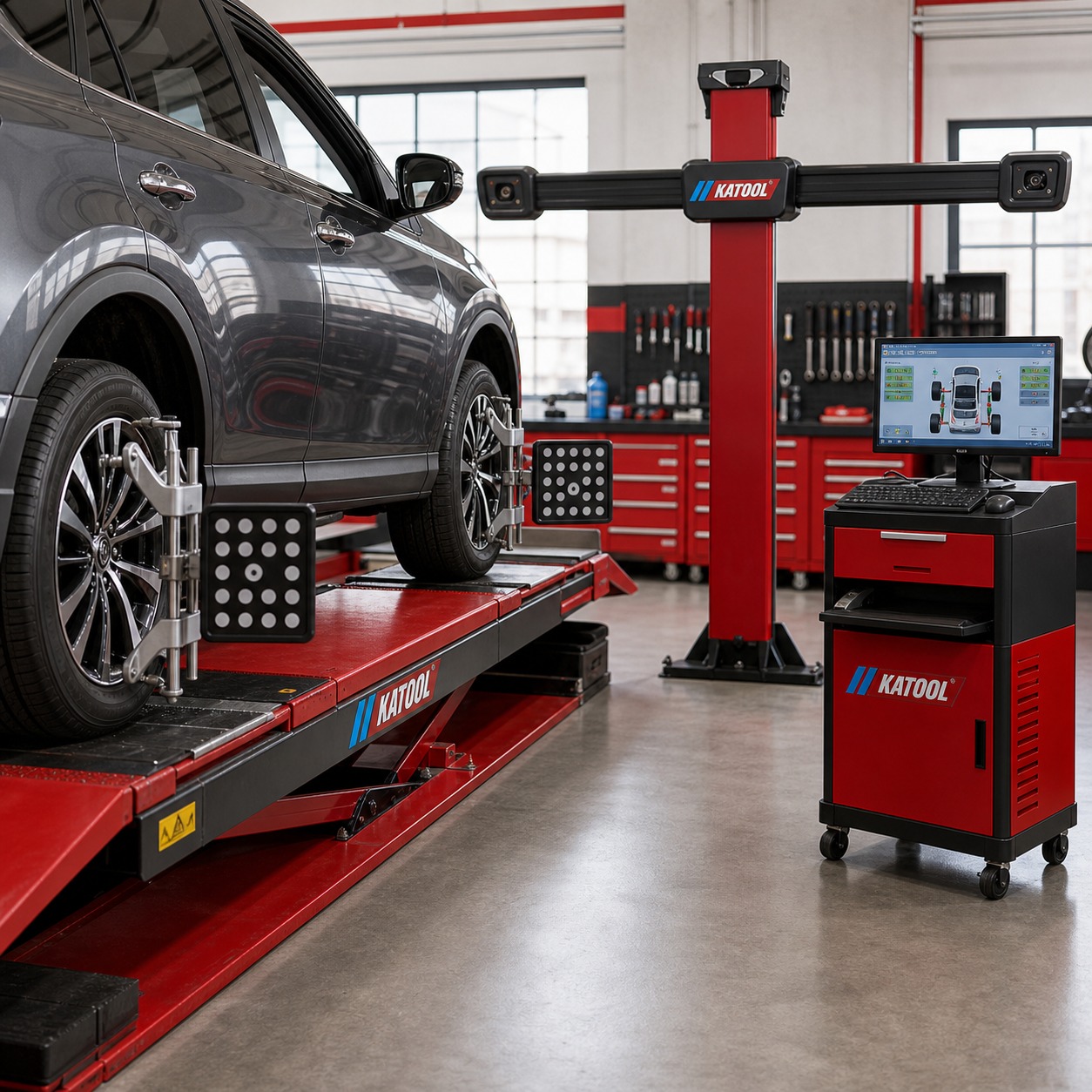
Why Wheel Alignment Is Necessary for Vehicle Stability
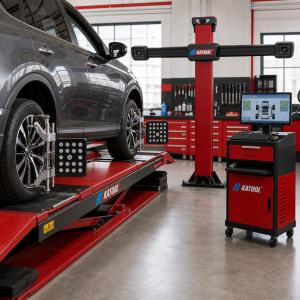
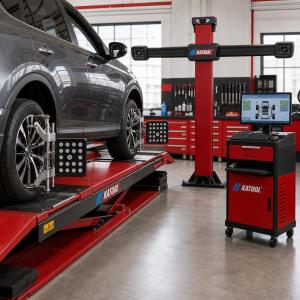
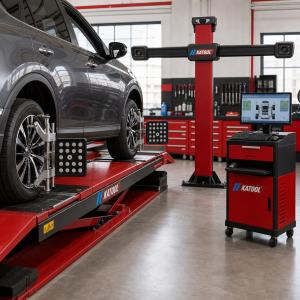
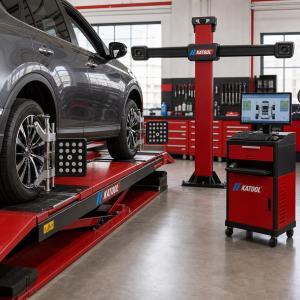
Vehicle stability depends on more than tires and suspension parts alone. Wheel alignment plays a major role in how straight the vehicle tracks, how evenly it wears tires and how predictable it feels in everyday driving.
Stable Tracking Starts with Correct Wheel Angles
When wheel position is within specification, the vehicle usually travels straighter and needs fewer steering corrections. That stability becomes more noticeable as road speed and travel distance increase.
Misalignment Can Make Handling Feel Uncertain
Pull, drift and inconsistent steering response often point to alignment issues. Even if the change feels small at first, it can still affect driver confidence and overall road comfort.
Tire Wear and Stability Are Connected
Uneven tire wear does not just shorten tread life; it can also change how the vehicle feels on the road. Correct alignment helps the tires work more consistently as part of the full handling system.
Suspension Service Often Leads Back to Alignment
When steering or suspension components are replaced, the wheel geometry should be checked so the vehicle can return to stable road behavior. Alignment helps complete that process properly.
Regular Checks Help Prevent Bigger Problems
A simple alignment review can often prevent premature tire replacement and continued handling complaints. Early correction is usually easier and more cost-effective than waiting for stronger symptoms.
Conclusion
Wheel alignment is necessary because it supports both comfort and control. It is one of the simplest services for improving everyday vehicle stability.