How Often Should Wheel Alignment Be Checked?
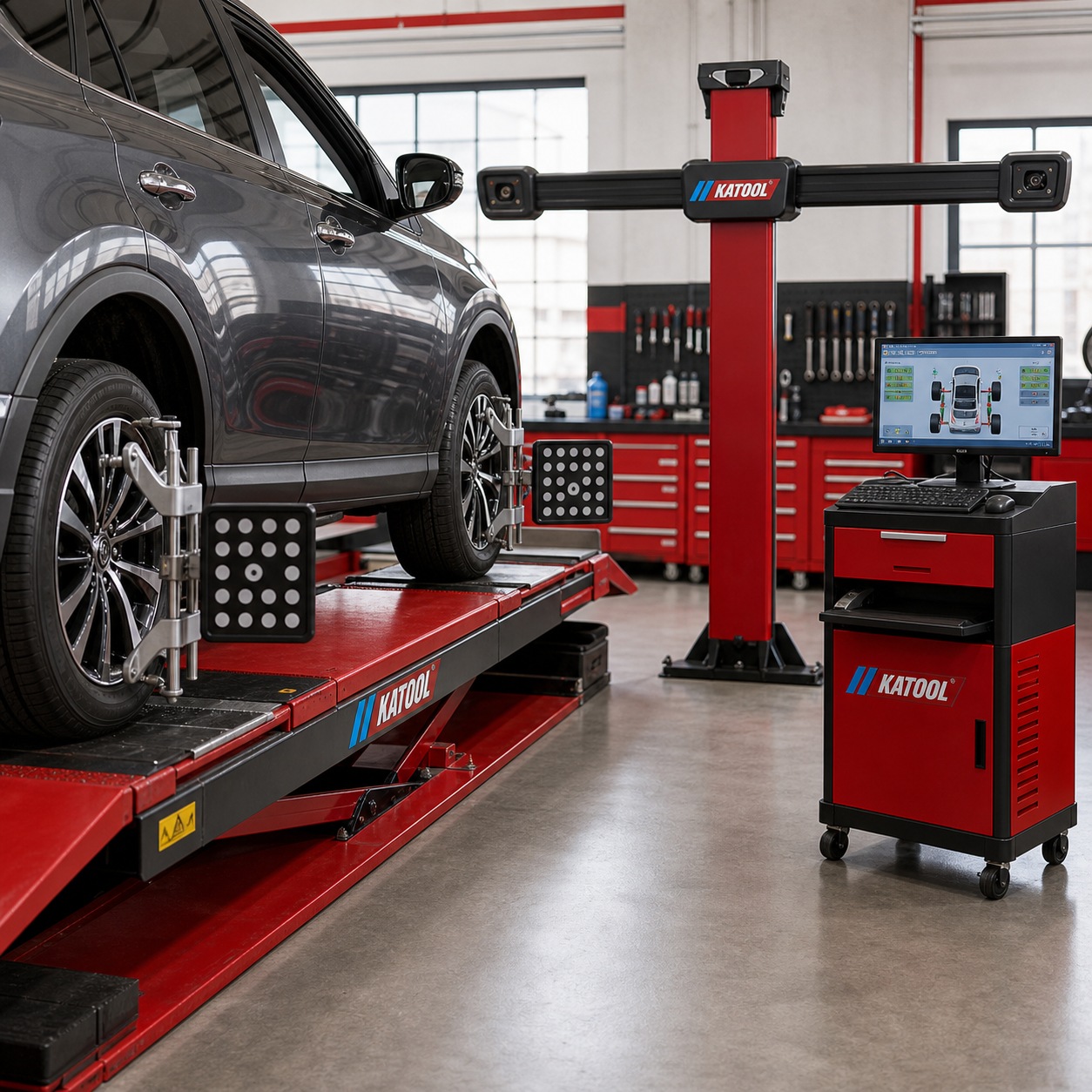
How Often Should Wheel Alignment Be Checked?
Wheel alignment does not always need adjustment at fixed mileage, but it should be checked regularly as part of responsible vehicle care. Regular inspection helps catch geometry changes before they create serious tire wear or handling problems.
Alignment Should Be Checked When Symptoms Appear
If the vehicle begins pulling to one side, the steering wheel sits off center or the tires wear unevenly, alignment should be checked as soon as possible. These signs often appear before the driver realizes how much the wheel angles have changed.
Periodic Checks Support Better Tire Life
Even when no obvious symptom is present, periodic alignment inspection can help protect tires from long-term uneven wear. For many vehicles, checking alignment during tire service or routine chassis review is a practical habit.
Road Conditions Can Change Alignment Early
Potholes, curbs and rough roads can affect wheel geometry without warning. That means alignment may need to be checked sooner than expected even if the last service was not long ago.
After Suspension or Tire Work, Checks Are Useful
New tires, suspension repair and steering-related service are all good times to review alignment condition. Verifying the geometry after these jobs helps the vehicle perform more predictably.
Check Intervals Should Match Real Vehicle Use
A daily commuter, a shop vehicle and a lightly used private car may not all need alignment inspection on the same schedule. Usage conditions, roads and driver feedback should all influence the decision.
Regular Review Is Better Than Waiting for Problems
The best alignment schedule is one that prevents issues instead of reacting too late. Routine checks help support smoother steering, stronger tire life and better day-to-day driving quality.