How to Check Wheel Alignment Step by Step
How to Check Wheel Alignment Step by Step
A practical wheel alignment check begins with good observation. Tire wear, steering feel and vehicle history often reveal whether alignment deserves closer attention before full measurement begins.
Start with Tire Wear Patterns
Uneven shoulder wear, feathering or fast tread loss can all point to alignment issues. Tire condition is often the clearest first clue that wheel angles may no longer be correct.
Review Steering Feel and Road Behavior
If the vehicle pulls, drifts or needs repeated steering correction, alignment may be part of the problem. Customer feedback helps technicians connect symptoms with likely service needs.
Check for Recent Impacts or Repairs
Potholes, curb contact and suspension repairs can all affect alignment. Understanding the vehicle history makes inspection more accurate and recommendations more useful.
Use Stable Setup for Formal Measurement
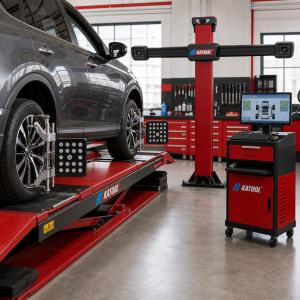
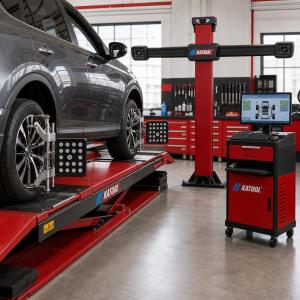
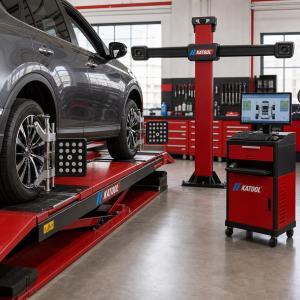
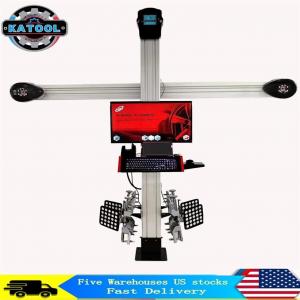
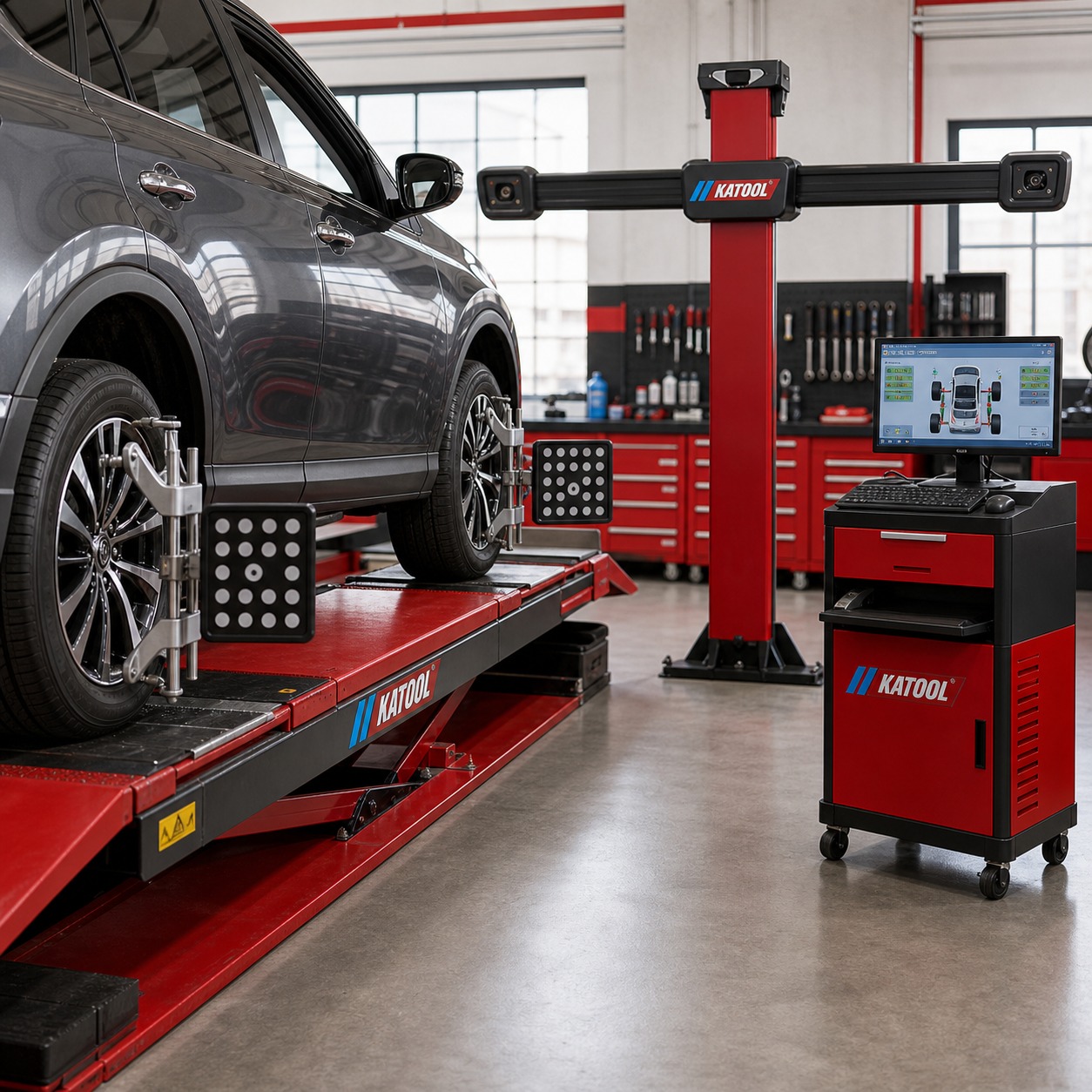
If a full check is needed, the lift, clamps and working environment must support dependable readings. Stable setup is essential for useful alignment results.
Combine Visual Signs with Accurate Equipment
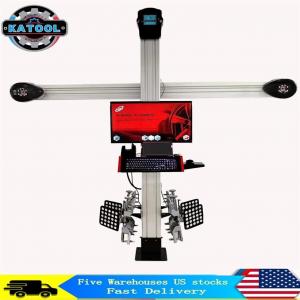
The best alignment decisions come from linking what the tires show with what the equipment confirms. That combination creates stronger diagnosis and better service advice.
Conclusion
Autokato Engineering supplies KATOOL garage equipment for practical workshop use, including car lifts, wheel alignment systems, tire changers and related service equipment.