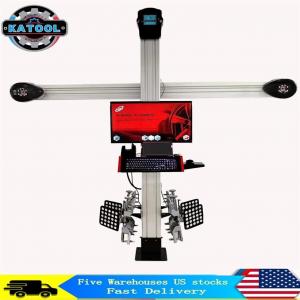
How to Check Wheel Alignment in a Practical Way
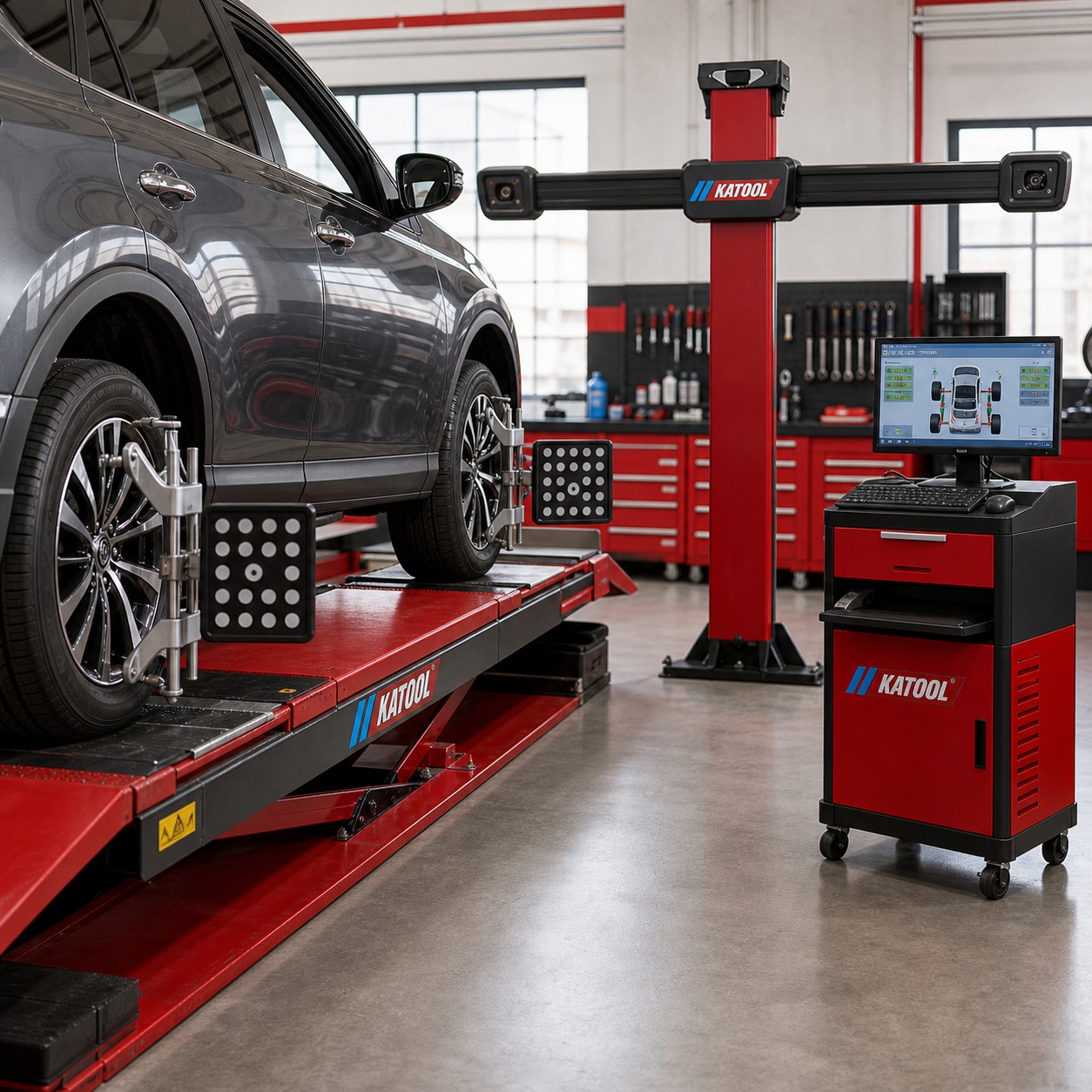
How to Check Wheel Alignment in a Practical Way
A practical wheel alignment check begins long before formal measurement starts. Tire wear, steering behavior and visual setup clues can all help identify when a vehicle deserves closer alignment inspection.
Start with Tire Condition
Uneven tread wear, feathering or shoulder damage can point toward alignment issues. Tire condition gives technicians a fast first impression of whether wheel angles may be affecting road contact.
Ask About Steering and Driving Feel
Vehicles that pull to one side, require constant correction or feel unsettled in straight-line driving often deserve alignment attention. Customer feedback can be just as useful as visible wear when identifying early problems.
Check for Suspension or Impact History
Recent steering repairs, worn suspension components or pothole impact can all influence alignment. Reviewing service history helps explain why alignment may have changed even if symptoms are still moderate.
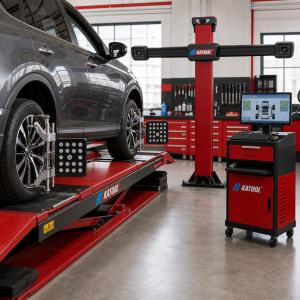
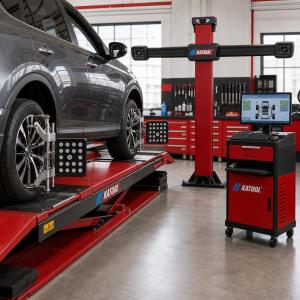
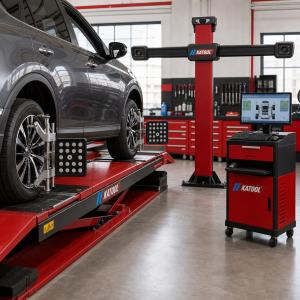
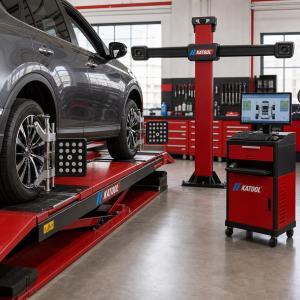
Use Stable Lift and Measurement Setup
When a formal check is needed, the lift condition and equipment setup must support accurate readings. Poor clamp placement or unstable positioning can create confusion instead of reliable diagnosis.
Compare Wear Pattern with Measurement Results
The most useful alignment checks connect what the technician sees on the tires with what the equipment confirms in the geometry. That combination leads to better explanations and more complete service recommendations.
Good Checks Support Better Service Decisions
Practical alignment inspection is not about rushing to sell an adjustment. It is about understanding the vehicle clearly enough to recommend the right service at the right time.
Conclusion
Autokato Engineering supplies KATOOL garage equipment for practical workshop use, including car lifts, wheel alignment systems, tire changers and related service equipment.