Wheel Alignment Types and What They Mean
Wheel Alignment Types and What They Mean
Wheel alignment can be discussed in several different ways depending on the vehicle condition and the service being performed. Understanding the main alignment concepts helps explain why the service matters so much.
Different Wheel Angles Influence Different Behaviors
Toe, camber and caster each affect how the vehicle tracks and how the tires meet the road.
Front and Four Wheel Alignment Needs Vary
Some vehicles may need attention mainly at the front, while others benefit from a full four wheel review depending on design and wear pattern.
Symptoms Help Identify the Right Service
Pull, drift and uneven tread wear often help indicate which alignment issues deserve closer inspection.
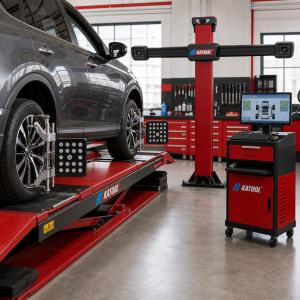
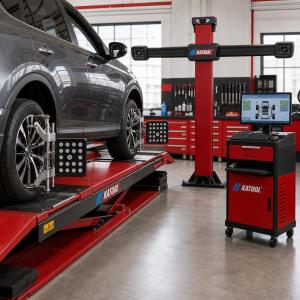
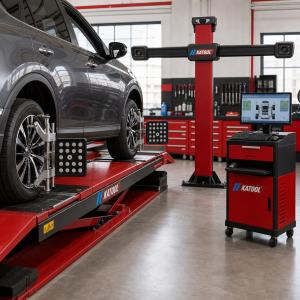
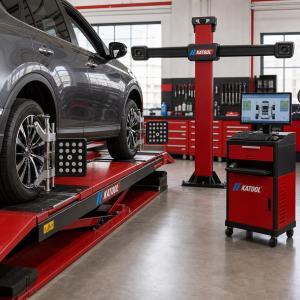
Accurate Equipment Supports Better Interpretation
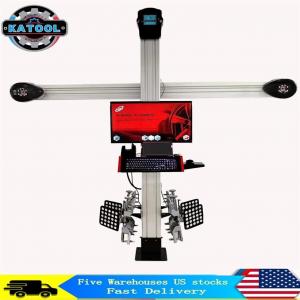
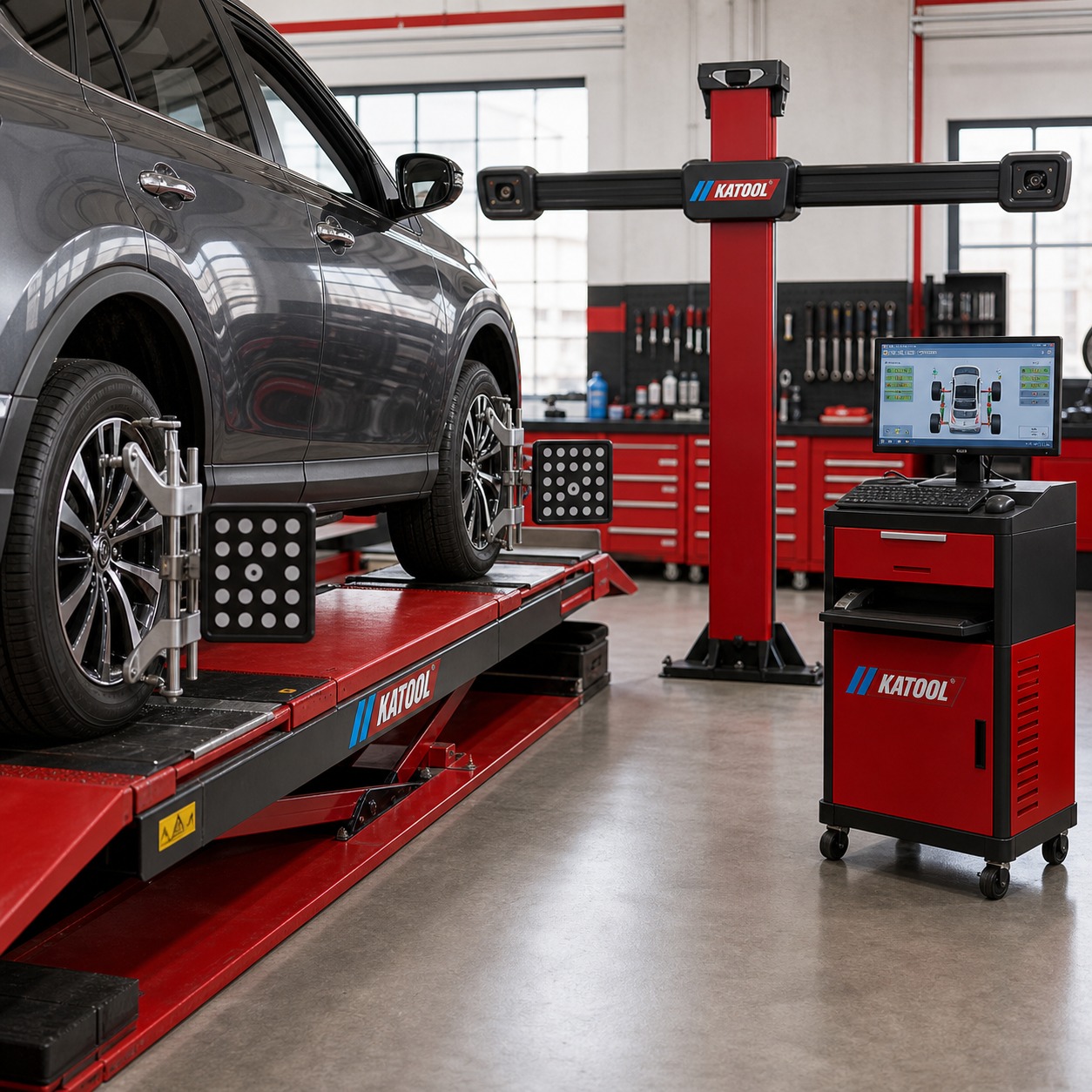
Understanding alignment types becomes more useful when the vehicle is measured correctly and the technician can connect the data to real symptoms.
Good Explanation Improves Customer Decisions
Drivers are more likely to approve useful service when the alignment condition is explained in a practical and understandable way.
Conclusion
Autokato Engineering supplies KATOOL garage equipment for practical workshop use, including car lifts, wheel alignment systems, tire changers and related service equipment.