How to Choose the Right Wheel Balancer for Your Shop
How to Choose the Right Wheel Balancer for Your Shop
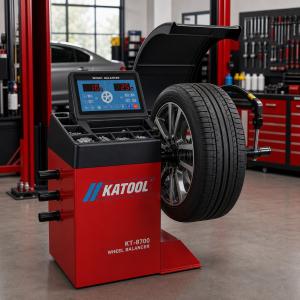
Choosing the right wheel balancer is important for tire service quality, workshop efficiency and customer satisfaction. A suitable balancing machine can help your technicians work more accurately, reduce vibration complaints and support more dependable daily service results. Before selecting a model, it is worth comparing not only the machine features, but also the kinds of wheels your shop handles every day.
Understand Your Daily Service Volume
A small garage with occasional balancing work may not need the same machine as a busy tire center. If your shop handles a high number of wheels every day, it is useful to choose a wheel balancer that supports faster operation, stable measurement and easier technician workflow. Higher service volume usually means the machine needs to be more durable and efficient over the long term.
Check Wheel Size Compatibility
Different vehicles bring different wheel diameters, widths and tire combinations into the workshop. Before choosing a wheel balancer, make sure the machine can handle the wheel sizes and types your customers bring in most often. Shops working with larger passenger wheels or light truck wheels may need a model with stronger compatibility and a wider operating range.
Compare Accuracy and Ease of Use
A practical wheel balancer should help the technician mount the wheel correctly, enter dimensions easily and complete the balancing cycle without unnecessary delay. Machines that are easier to operate can help reduce repeat work and improve consistency between operators. Good accuracy is especially important when your goal is to reduce customer vibration complaints and maintain a professional service standard.
Look at Accessories and Support
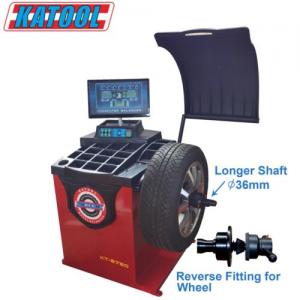
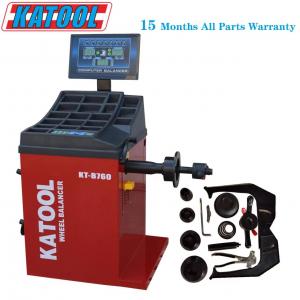
Cones, adapters and replacement parts all affect daily balancing work. Choosing a machine from a supplier that can provide clear technical support, parts availability and dependable communication can help your shop avoid unnecessary downtime. Good after-sales support is often just as important as the machine itself.
Choose for Long-Term Workshop Growth
The best wheel balancer for your shop is not always the cheapest one. A model that matches your wheel range, daily workload and long-term service plans can improve productivity, reduce service errors and support a better customer experience as your business grows.
Final Thought
A wheel balancer should fit the real conditions of your workshop, not just the spec sheet. When the machine matches your service volume and wheel types, it becomes much easier to deliver more accurate and professional balancing work. Autokato Engineering supplies KATOOL wheel balancers for workshops that need practical daily performance and dependable support.