How to Use a Tire Changer Safely and Efficiently
How to Use a Tire Changer Safely and Efficiently
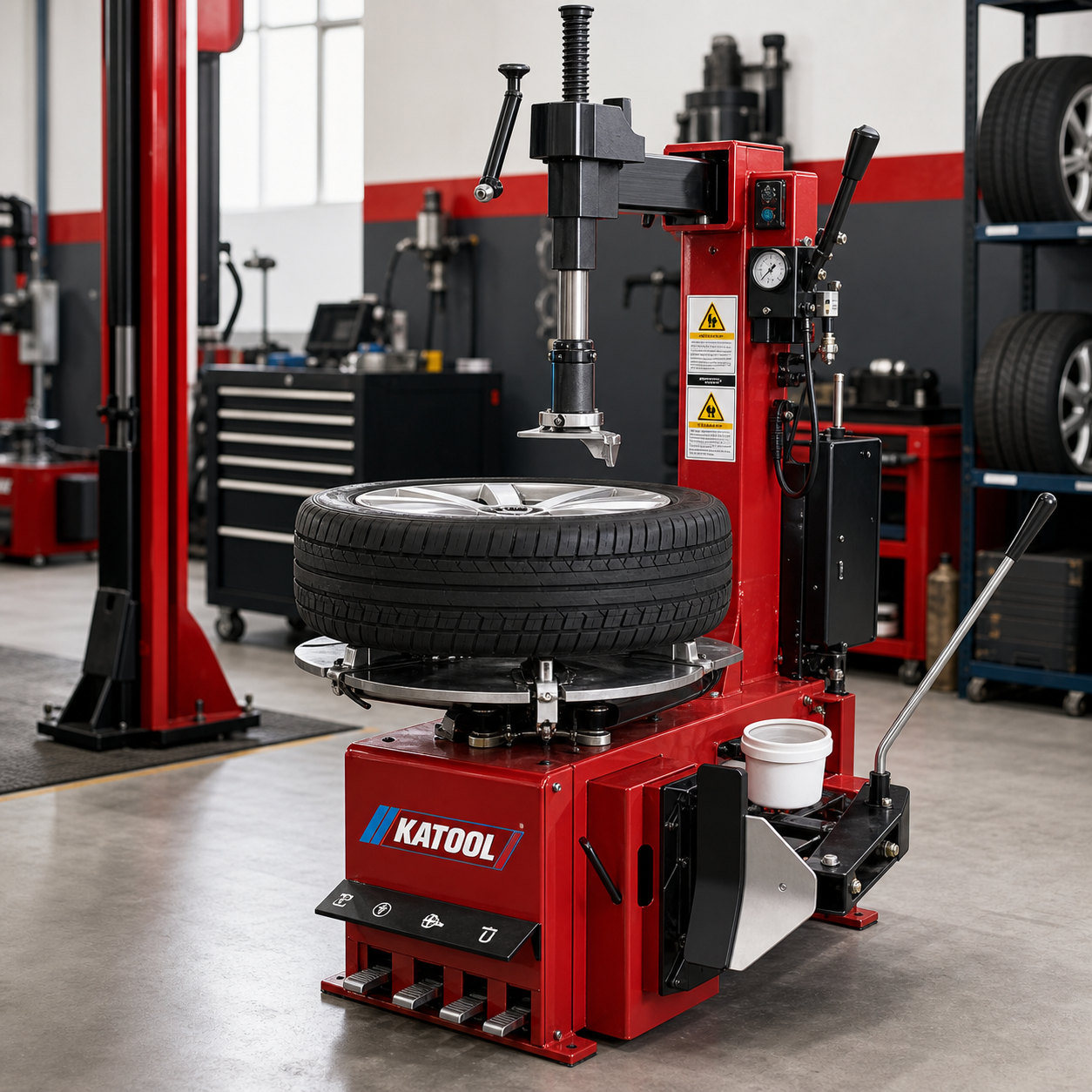
Using a tire changer correctly is important for service quality, operator safety and daily workshop efficiency. A good machine can make tire work faster, but the result still depends on proper preparation, correct operating steps and careful handling of the wheel during mounting and demounting. Shops that follow a clear process can reduce wheel damage, improve workflow and create a more reliable service experience for customers.
Prepare the Wheel Before Service
Before starting, make sure the tire is fully deflated and the wheel is clean enough for safe clamping. Check the condition of the tire, valve area and rim edge so you can identify visible damage before the service begins. Good preparation helps the machine work more smoothly and lowers the chance of avoidable mistakes.
Use Correct Clamping and Tool Position
Stable clamping is one of the most important parts of tire changer operation. The wheel should be centered and secured properly so it does not shift while the tire is being removed or installed. At the same time, the mount head and tool position should be adjusted carefully to reduce stress on the rim and lower the risk of scratching or bending the wheel.
Apply Tire Lubricant in the Right Way
Proper lubricant makes mounting and demounting easier and helps protect both the tire bead and the wheel. Without enough lubricant, the operator may need to use unnecessary force, which can slow down the work and increase the chance of damage. Consistent lubricant use is a simple step that often improves both efficiency and service quality.
Follow a Controlled Working Sequence
A tire changer should be used in a steady and controlled sequence rather than with rushed movements. Bead breaking, clamping, tool positioning and tire rotation should each be done in the correct order. When technicians follow the same operating process every time, service becomes faster, safer and easier to repeat across different wheel sizes.
Pay Attention to Daily Maintenance
Even a good tire changer needs regular cleaning and inspection. Dust, old lubricant and metal debris should be removed from the work area, and moving parts should be checked for wear. Routine maintenance helps the machine stay stable during busy periods and supports more accurate, dependable daily operation.
Train Operators for Consistent Results
The machine itself is only part of the solution. Shops that train operators to handle wheels carefully, adjust tools correctly and follow a safe service routine usually get better long-term results. Consistent operator habits can improve efficiency, reduce service errors and help equipment last longer.
Final Thought
A tire changer works best when the machine, the operator and the workflow all match each other. Correct use can improve shop speed, reduce operator effort and help deliver cleaner, more professional tire service every day. Autokato Engineering supplies KATOOL tire changers for workshops that need practical daily performance and dependable service support.