How to Use a Wheel Balancer for Accurate Results
How to Use a Wheel Balancer for Accurate Results
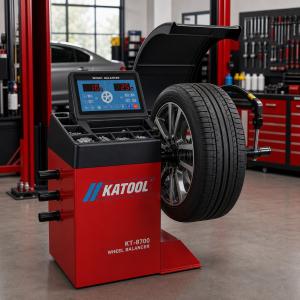
Using a wheel balancer correctly is important for tire service quality, customer satisfaction and long-term workshop efficiency. Even a good balancing machine will not give stable results if the wheel is mounted carelessly or if technicians rush through the measuring process. A practical balancing routine can help reduce vibration complaints, improve ride quality and create more consistent daily service results.
Start with Proper Wheel Mounting
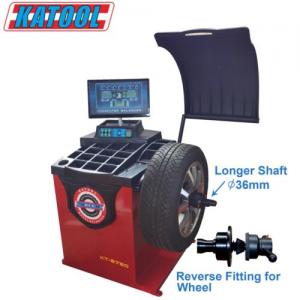
The first step in accurate balancing is correct wheel centering. The wheel should be mounted with the correct cone or adapter so it sits securely on the spindle. If the wheel is not centered properly, the machine may produce an inaccurate reading, and the technician may end up adding weights in the wrong position. Careful mounting is the foundation of reliable balancing work.
Enter Wheel Dimensions Carefully
Most balancing machines require the operator to enter or confirm dimensions such as wheel width, diameter and offset position. These measurements directly affect the balancing calculation. If the input values are inaccurate, the final correction result may also be inaccurate. Taking a little extra time here often saves time later by reducing repeat balancing.
Check Weight Placement and Re-Test
After the machine shows the correction points, balance weights should be installed in the proper location and with the correct method for the wheel type. Once the weights are applied, the wheel should be checked again to confirm the result. Re-testing is important because it verifies that the correction was successful and helps avoid vibration complaints after installation on the vehicle.
Keep the Machine and Accessories Clean
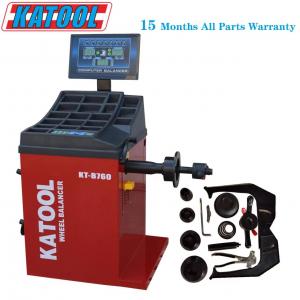
Dust, adhesive residue and worn accessories can all affect balancing accuracy. Cones, adapters and the spindle area should be kept clean so the wheel can sit correctly each time. A machine that is cleaned and inspected regularly will usually provide more dependable readings and smoother daily operation in a busy workshop.
Build a Consistent Shop Routine
The best balancing results usually come from consistent operating habits. When every technician follows the same order of wheel mounting, measurement input, weight application and final inspection, the shop can work faster while keeping service quality stable. Consistency also makes training easier and helps reduce avoidable mistakes.
Final Thought
A wheel balancer is most effective when the machine is matched with good technician habits and a careful service process. Accurate balancing supports smoother driving, better tire performance and a more professional customer experience. Autokato Engineering supplies KATOOL wheel balancers for workshops that need dependable daily performance and practical service support.