How Wheel Alignment Equipment Works with Vehicle Lifts
How Wheel Alignment Equipment Works with Vehicle Lifts
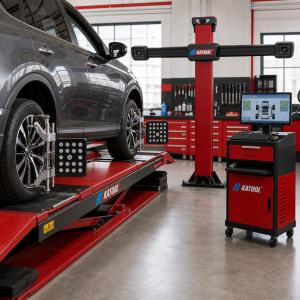
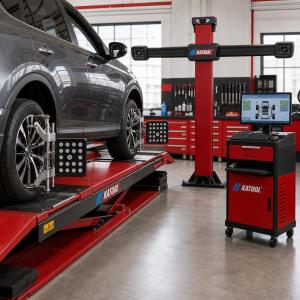
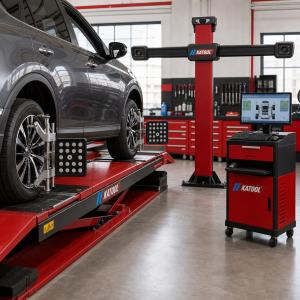
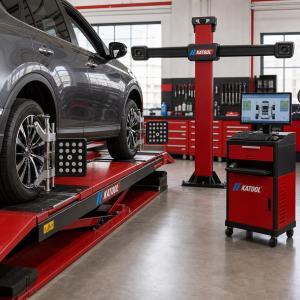
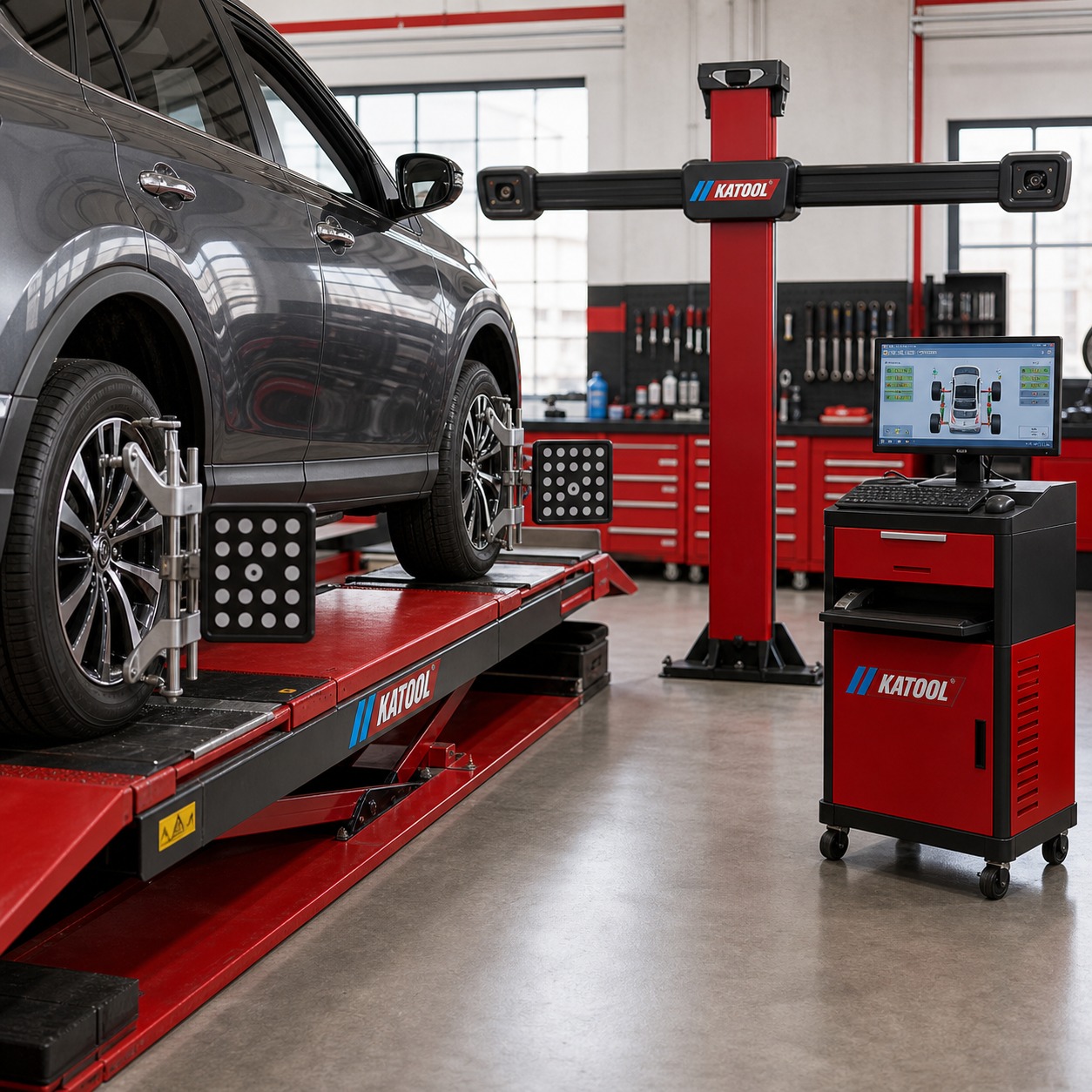
Wheel alignment equipment does not work in isolation. Its performance depends heavily on how well it works with the lift, the runway setup and the overall service bay environment.
The Lift Provides the Working Platform
Alignment service begins with stable vehicle positioning, and the lift creates that foundation. A properly designed alignment bay helps the technician work with more confidence and more repeatable geometry readings.
Vehicle Positioning Affects Measurement Quality
If the vehicle is not settled correctly on the lift or the wheel clamps are not mounted properly, the reading can be less dependable. Good alignment results always begin with stable physical setup.
Runway and Access Design Matter
Alignment lifts are often designed to make steering and suspension measurement easier while still allowing practical service access. The better the lift design matches the alignment process, the more efficient the workflow becomes.
Equipment Accuracy Depends on Consistency
Reliable measurements come from the combination of equipment quality, lift stability and careful operating procedure. Any weakness in that chain can reduce confidence in the final adjustment result.
The Full Bay Should Be Planned as One System
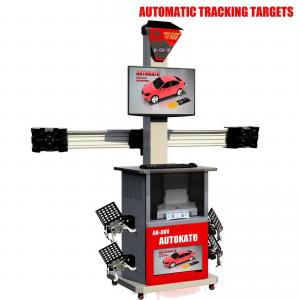
Workshops get better value when the lift, alignment hardware and technician workflow all support each other. Treating the bay as one service system usually produces stronger productivity and more professional results.
Conclusion
Wheel alignment equipment works best when the lift and service environment are designed to support it. Good integration leads to better accuracy and a better customer experience.