How to Perform a Basic Car Wheel Alignment Check
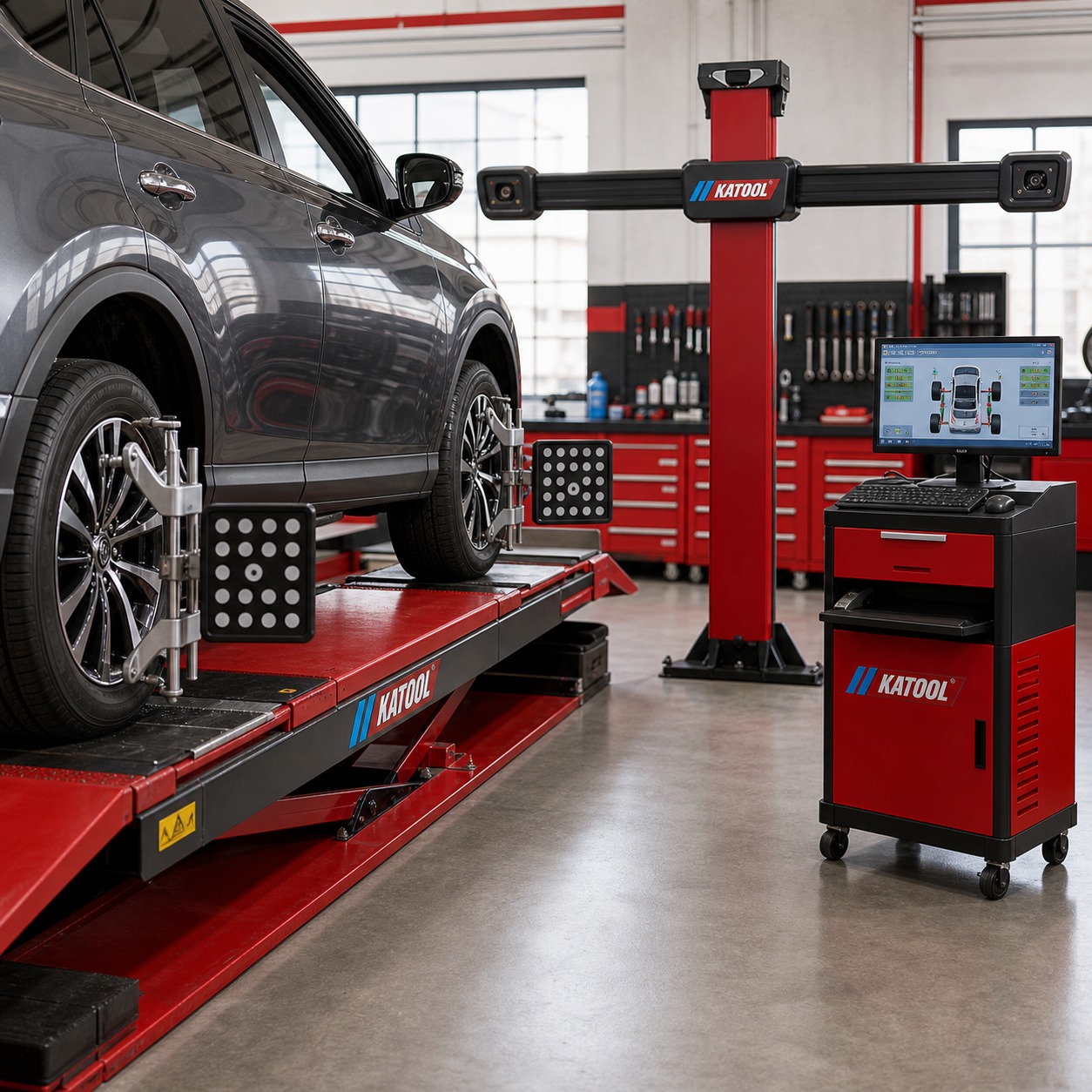
How to Perform a Basic Car Wheel Alignment Check
A basic wheel alignment check often starts with observation before the formal measurement even begins. Tire wear, steering behavior and service history all provide useful information about whether alignment needs closer attention.
Inspect Tire Wear First
Tread condition can reveal alignment problems quickly. Uneven shoulder wear, feathering or unusual wear patterns often suggest that wheel angles should be checked more carefully.
Review Steering Feel and Driver Feedback
If the vehicle pulls, drifts or feels unsettled on straight roads, alignment may be part of the problem. Customer complaints often help point the technician toward the need for a full alignment review.
Check for Impact or Recent Repairs
Pothole damage, curb contact and steering or suspension repairs can all change alignment. Knowing the vehicle history helps the shop interpret symptoms more accurately.
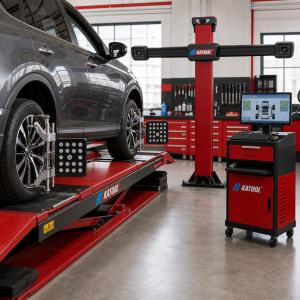
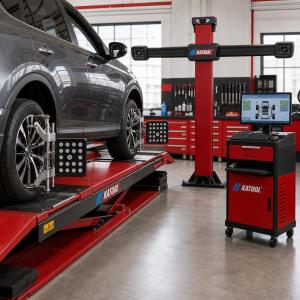
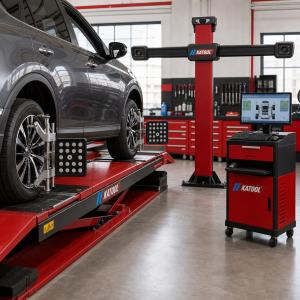
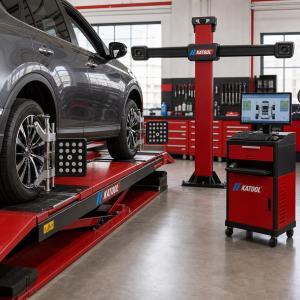
Use a Stable Lift and Correct Setup
If the vehicle is going to be measured formally, the lift and wheel setup must support dependable readings. Stable positioning is essential for useful alignment results.
Combine Visual Clues with Equipment Results
The strongest alignment decisions usually come from linking tire wear and driving symptoms with actual measurement data. This gives both the technician and the customer a clearer understanding of the problem.
Conclusion
A basic alignment check is about good observation backed by proper measurement when needed. That combination helps workshops recommend service with more confidence and accuracy.