Wheel Alignment Buying Guide for Service Shops
Wheel Alignment Buying Guide for Service Shops
Buying wheel alignment equipment is an important decision for any service shop that wants to improve chassis capability and deliver more complete tire-related service. The right machine should support both technical accuracy and practical workshop workflow.
Start with the Shop Service Goal
Some shops need alignment mainly for routine passenger vehicle work, while others want broader steering and suspension service capability. Defining the main goal first helps narrow equipment choices more effectively.
Match the Equipment to Your Vehicle Mix
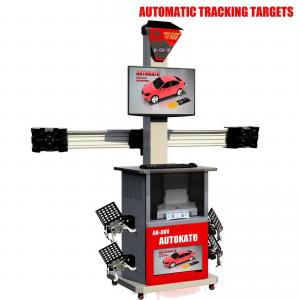
A useful alignment system should fit the kinds of vehicles your shop services most often. Passenger cars, SUVs and light trucks may require different expectations for rack use, targets and general workflow compatibility.
Consider Bay Layout and Operator Workflow
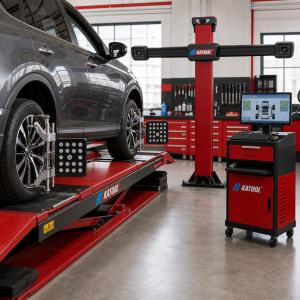
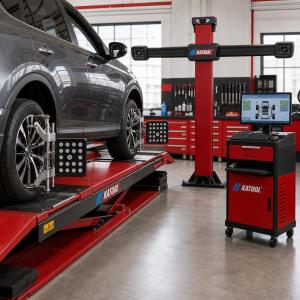
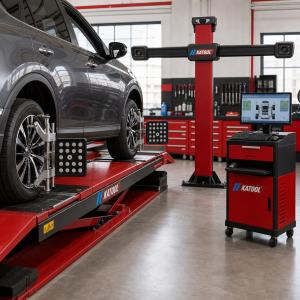
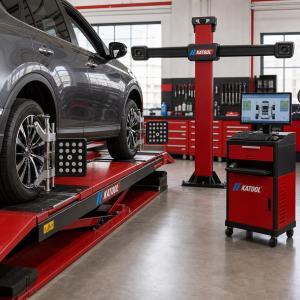
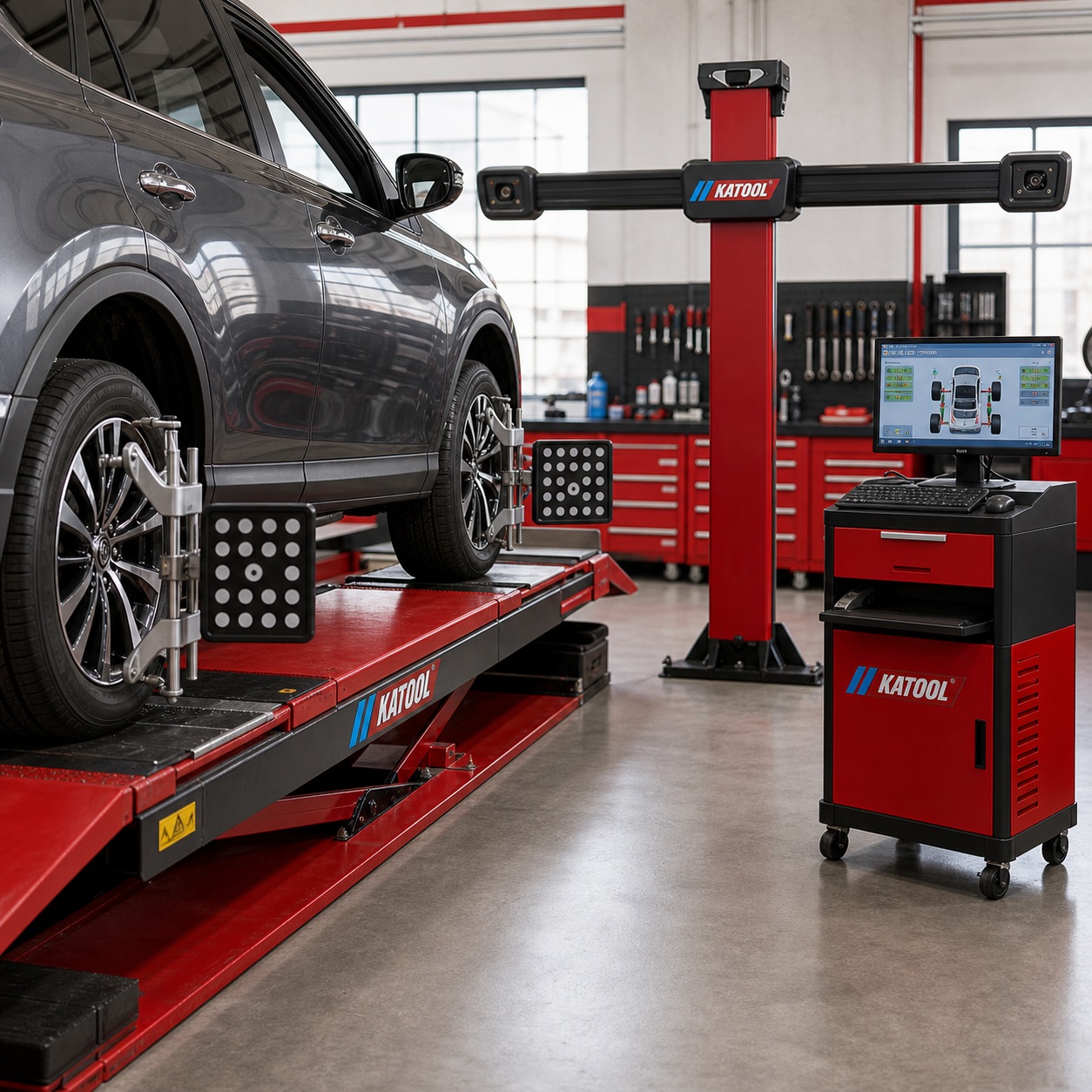
The aligner should work naturally within the available service area. Space for vehicle movement, target installation and technician access is just as important as the measuring system itself.
Look Beyond Basic Specifications
Clear data presentation, practical software flow and dependable daily operation all matter in real service conditions. The best machine is the one that technicians can use consistently and confidently.
Think About Long-Term Support and Maintenance
Alignment equipment is a long-term workshop asset, so buyers should also think about service support, maintenance needs and general durability. Reliable long-term operation often matters more than a low initial price alone.
Better Buying Decisions Create Better Shop Value
A good wheel alignment purchase strengthens service quality, improves workflow and helps the shop grow in a more professional direction. Thoughtful equipment selection makes a real difference over time.