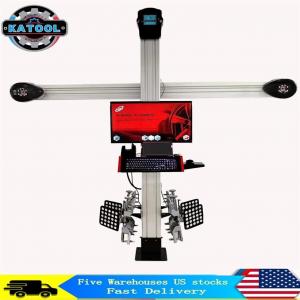
Wheel Alignment Essentials Every Driver Should Know
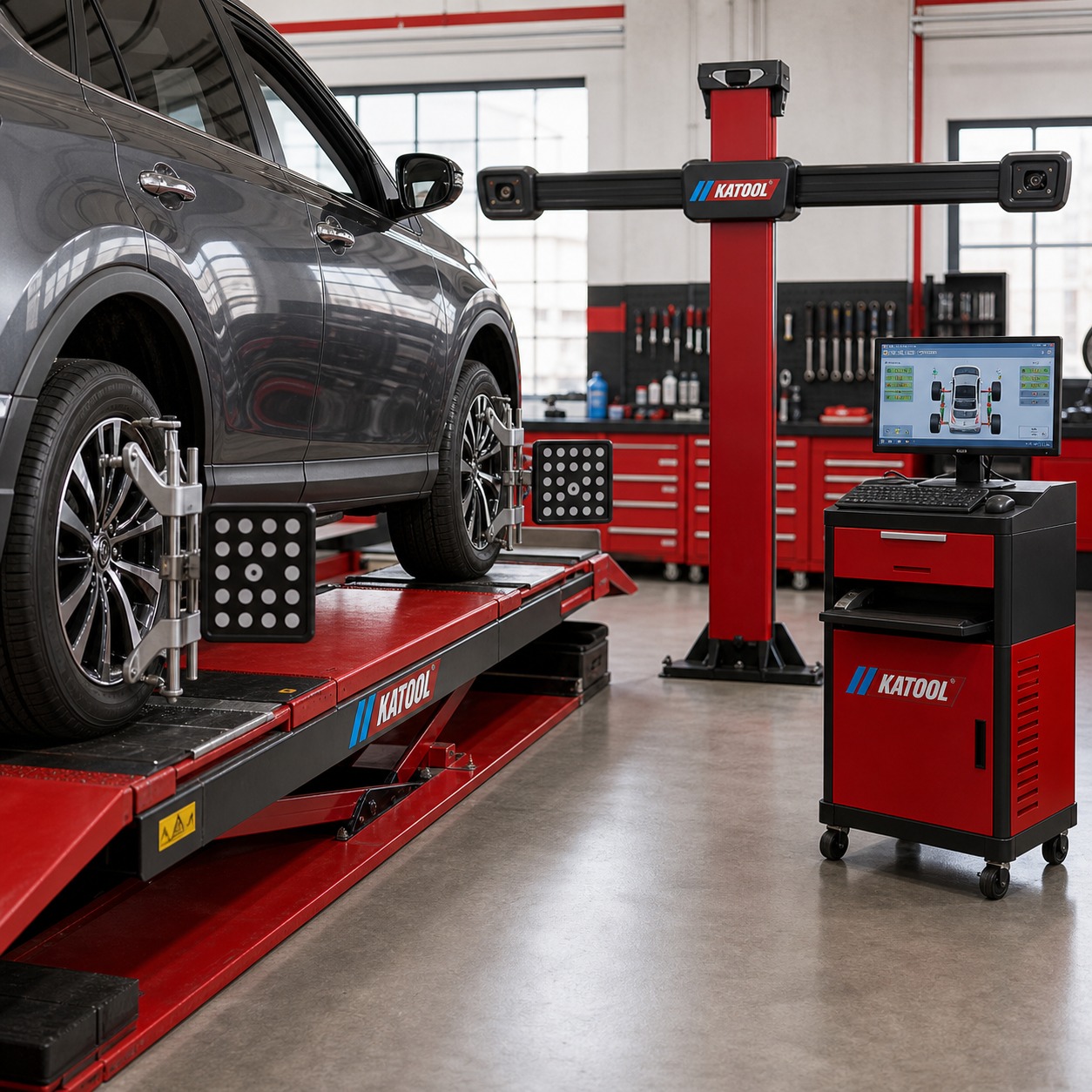
Wheel Alignment Essentials Every Driver Should Know
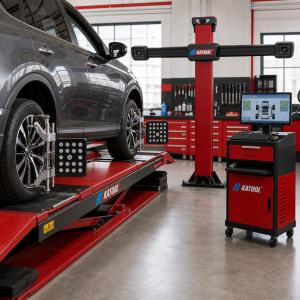
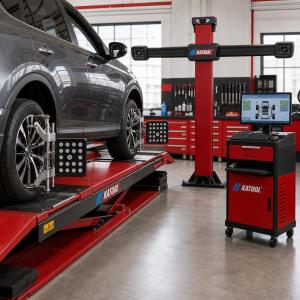
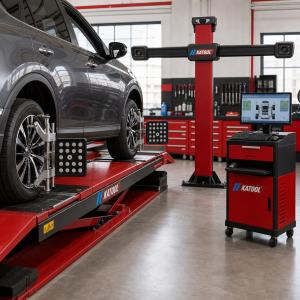
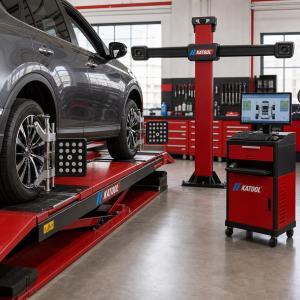
Wheel alignment affects more than just workshop measurements. For everyday drivers, it has a direct relationship with tire wear, steering feel and how confidently the vehicle tracks on the road.
Alignment Helps Tires Wear More Evenly
When wheel angles are correct, the tread meets the road more evenly. This helps extend tire life and reduces the chance of obvious inside or outside shoulder wear developing too early.
Poor Alignment Can Change Steering Feel
A vehicle that pulls slightly or needs repeated correction may be signaling alignment problems. These symptoms often build gradually, which is why many drivers do not notice them right away.
Road Impact Can Affect Alignment
Potholes, curb strikes and rough daily driving can all shift the wheel angles enough to matter. Alignment is not just something checked after a major repair; sometimes everyday driving conditions create the need.
Suspension Repairs Often Lead to Alignment Service
When steering or suspension parts are replaced, alignment helps restore proper geometry. This step is important for protecting both the repair result and the condition of the tires afterward.
Ignoring Alignment Usually Costs More Later
Many alignment benefits appear in avoided problems such as wasted tires and unstable handling. Addressing the issue earlier is often more practical than waiting until symptoms become severe.
Basic Awareness Helps Drivers Make Better Decisions
Drivers do not need to understand every technical angle to benefit from alignment service. Knowing the signs and the purpose of the service makes it easier to act before unnecessary wear develops.
Conclusion
Autokato Engineering supplies KATOOL garage equipment for practical workshop use, including car lifts, wheel alignment systems, tire changers and related service equipment.