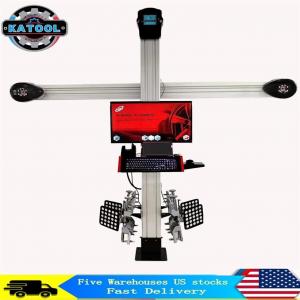
Wheel Alignment Specifications and Service Functions
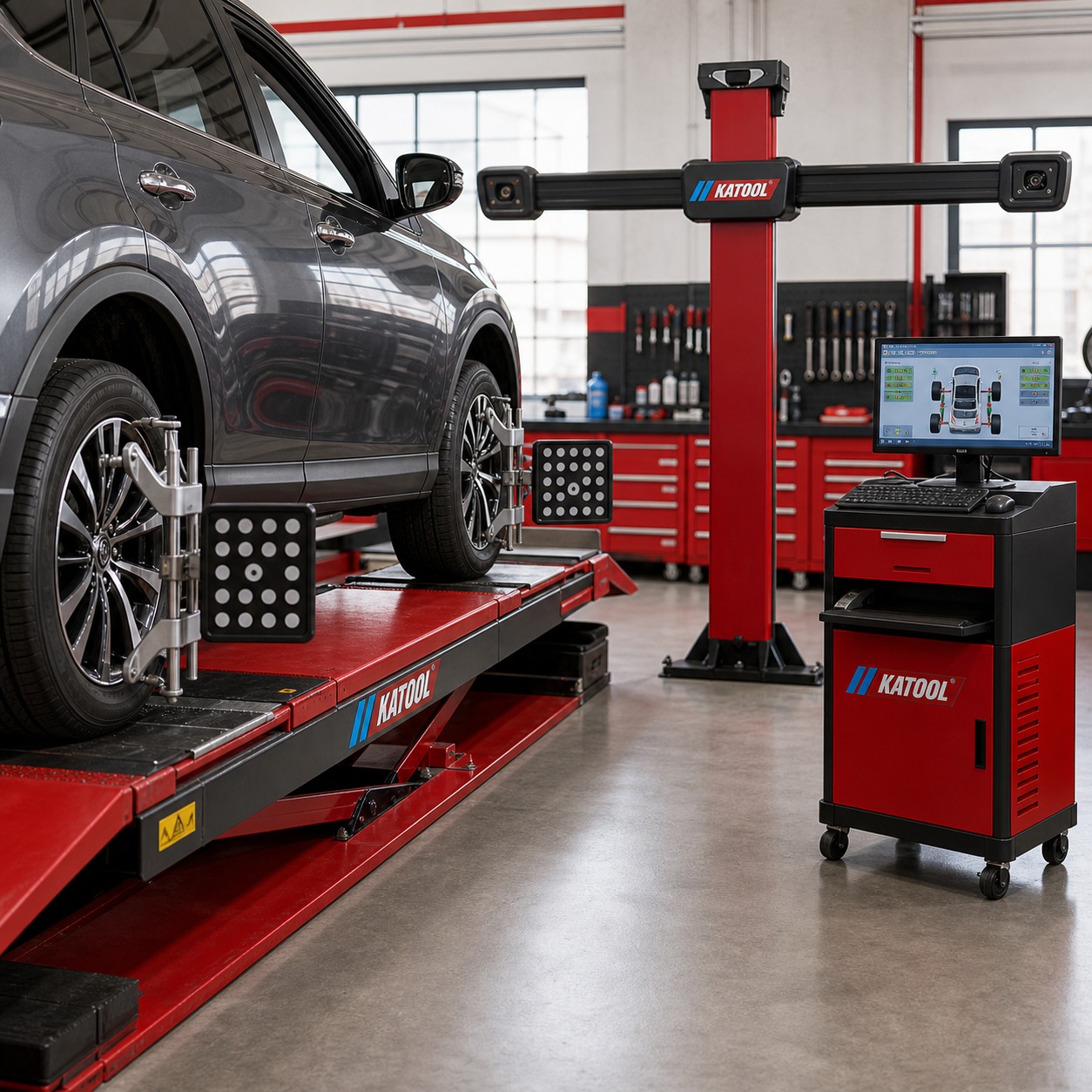
Wheel Alignment Specifications and Service Functions
Wheel alignment service depends on specifications that describe how the wheels should sit relative to the vehicle and the road. Understanding those service functions helps workshops explain alignment more clearly and perform it more confidently.
Specifications Guide the Adjustment Process
Alignment service is based on target settings that help define proper wheel position. These values help the technician determine whether the vehicle is likely to track correctly and wear tires evenly.
Service Function Goes Beyond Simple Measurement
Alignment is not only about reading numbers on a screen. Its function is to restore practical vehicle behavior, such as straighter tracking, better steering feel and more balanced tread wear.
Tire Wear and Handling Are the Real Outcomes
When alignment is corrected properly, the most visible results often appear in how the vehicle drives and how the tires wear over time. Those customer-facing results are what make the service valuable.
Accurate Setup Supports Useful Specifications
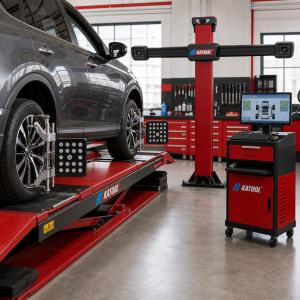
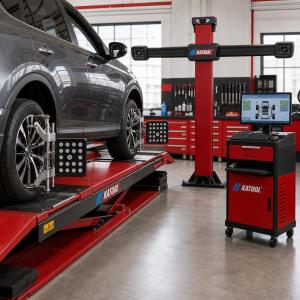
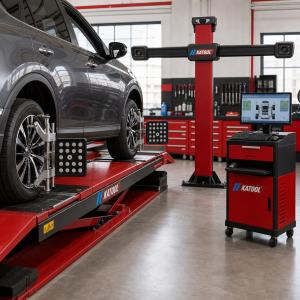
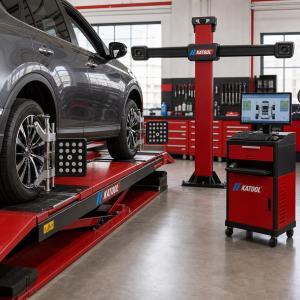
The best specifications mean little if the lift, clamps and vehicle positioning are not stable. Good setup ensures the service function can actually be delivered with confidence.
Useful for Both Problem Solving and Prevention
Alignment can address clear customer complaints, but it is also valuable as part of preventive maintenance. Understanding the service function makes it easier to recommend at the right time.
Conclusion
Wheel alignment specifications are important because they support a practical service result. The goal is not only measurement accuracy but also better driving and better tire performance.