Wheel Balancer Maintenance Tips for Daily Shop Use
Wheel Balancer Maintenance Tips for Daily Shop Use
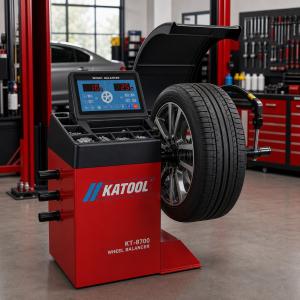
A wheel balancer works best when daily cleaning and routine inspection support stable readings over time. Simple maintenance habits help the machine stay accurate, reduce avoidable wear and improve reliability during busy service days.
Keep the Machine Clean Around Contact Areas
Dust, adhesive residue and general shop debris can collect around shafts, trays and working surfaces. Keeping those areas clean helps protect reading consistency and makes wear easier to notice.
Inspect Cones, Accessories and Moving Parts
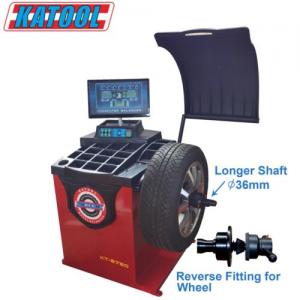
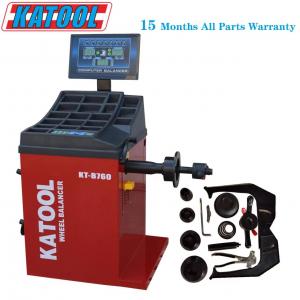
Balancing accuracy depends on more than the main machine body. Cones, quick nuts and related accessories should be checked regularly because worn parts can affect centering and reduce result quality.
Watch for Changes in Reading Consistency
If a balancer begins showing inconsistent results, maintenance and inspection should happen before repeated work becomes a normal part of the job. Early correction saves time and protects customer trust.
Protect the Machine During Heavy Daily Use
Busy tire service environments place constant stress on balancing equipment. Good operator habits and organized tool handling help reduce accidental impact and unnecessary strain.
Support Accuracy with Routine Care
Regular upkeep is one of the simplest ways to keep a wheel balancer dependable, especially in shops where the machine is used all day with many wheel sizes.
Conclusion
Autokato Engineering supplies KATOOL garage equipment for practical workshop use, including car lifts, wheel alignment systems, tire changers and related service equipment.