Why Wheel Alignment Is Important for Daily Driving
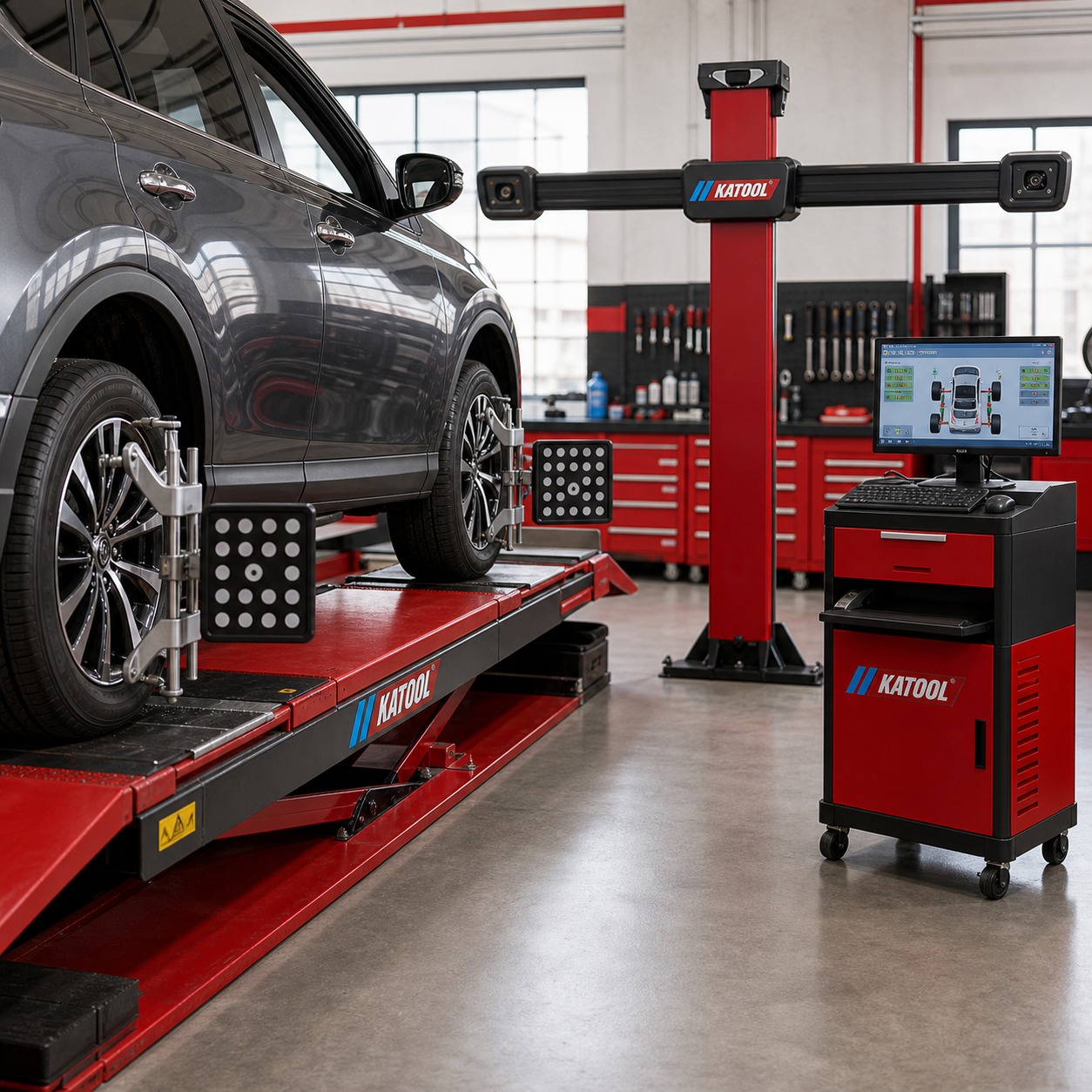
Why Wheel Alignment Is Important for Daily Driving
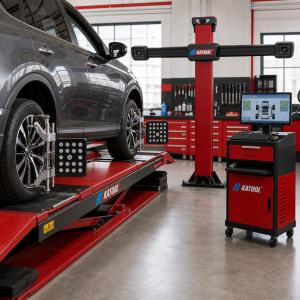
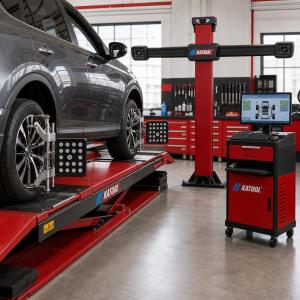
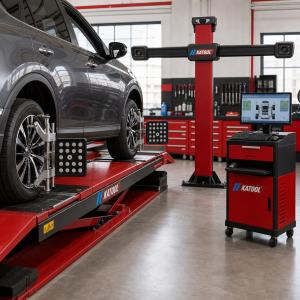
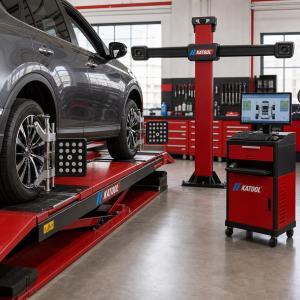
Wheel alignment affects how a vehicle feels every day, not just how it performs on a workshop report. Good alignment supports smoother steering, more even tire wear and more predictable handling in regular driving conditions.
Alignment Helps the Vehicle Track Straight
A properly aligned vehicle usually requires fewer steering corrections and feels more settled on the road. This becomes especially noticeable during longer drives or higher-speed travel.
Tire Wear Is Closely Connected
When alignment is off, the tire does not meet the road evenly. That uneven contact can shorten tread life and increase the chance of replacing tires sooner than expected.
Poor Alignment Can Reduce Driving Comfort
Vehicles with alignment issues may pull, wander or feel less centered after turns. These small problems can make daily commuting more tiring over time.
Road Conditions Can Gradually Change Alignment
Potholes, curb contact and rough surfaces can all affect wheel angles, even if the driver does not notice immediately. That is why alignment should be viewed as part of ongoing vehicle care.
Alignment Checks Support Preventive Maintenance
Reviewing alignment during tire service, suspension work or routine inspections can help catch problems earlier. Preventive attention is usually more practical than waiting for major wear or obvious handling complaints.
Conclusion
For daily driving, alignment matters because it protects tire value and improves steering confidence. It is one of the simplest services that can produce a noticeable real-world difference.