Garage Equipment Preventive Maintenance Log Guide
A garage equipment preventive maintenance log turns routine observations into a usable service record. It helps a workshop track what was checked, what changed, who completed the check and what follow-up is still required. The log does not replace the current equipment manual, qualified inspection or local safety requirements. Its purpose is to keep those responsibilities organized and visible.
This guide explains the information that workshops, distributors and multi-site service operators should record for vehicle lifts, tire changers, wheel balancers and related equipment. Buyers reviewing available equipment can also browse Autokato workshop equipment and use the same record structure when planning a new maintenance program.

Identify the Exact Equipment Before Recording Work
Every log entry should begin with the equipment identity. Record the product type, exact model, serial number when available, installation location and the document revision used for the check. Similar-looking machines can have different lubrication points, adjustment procedures, electrical requirements or inspection intervals. A generic entry such as "lift checked" is not enough when the workshop later needs to understand which machine was involved.
Keep the current operating and maintenance information with the record. Autokato publishes available technical documents through its garage equipment manuals page. If the manual, data plate and purchase record do not agree, pause the task and confirm the correct model information before applying a procedure.
Record Condition, Function and Safety Checks Separately
A useful maintenance log separates what the technician sees from what the equipment does. A condition check can note loose fasteners, damaged guards, worn contact surfaces, leaking connections, abnormal cable or hose routing, corrosion, contamination and changes around the installation area. A functional check records movement, controls, indicators, locking actions, clamping behavior, operating noise and any result that differs from the normal baseline.
Safety-related devices should have their own field rather than being buried in a general comment. Record whether the relevant locks, restraints, guards, stops and emergency controls were checked according to the applicable manual. If a safety function does not operate as intended, identify the equipment as unavailable and follow the workshop's escalation procedure. A maintenance log should never be used to justify continued operation when a fault remains unresolved.
Use Equipment-Specific Sections
The common record structure can be shared, but the checklist must still reflect the equipment category. For vehicle lifts, the record may include the condition of arms, pads, locks, cables or chains, hydraulic connections, anchors and the surrounding floor area, as applicable to the exact design. Installation and anchor requirements must come from the current model documentation rather than a universal value.
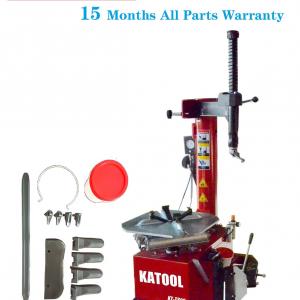
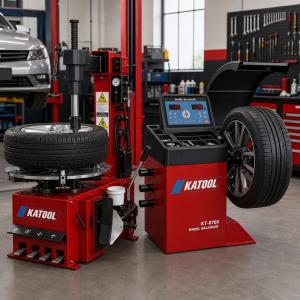
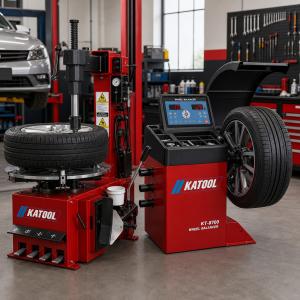
For tire changer equipment, record the condition of clamping surfaces, mounting tools, bead-breaking components, pneumatic connections, guards and rim-protection parts. Note air leaks, changes in movement or damaged contact surfaces before they create inconsistent operation or wheel-damage risk.
For wheel balancers, distinguish routine cleaning and mechanical condition from calibration or measurement verification. Record the cone, adapter, shaft and mounting-surface condition, along with any controlled test result required by the manual. Do not change calibration settings simply because one wheel produces an unexpected reading; first document centering, adapter selection, wheel data and repeatability.
Document Fluids, Lubrication and Consumable Work
When maintenance involves hydraulic fluid, lubricant, filters, seals, protective inserts or other consumable items, record the exact material or part used, quantity when relevant, date and reason for replacement. Avoid descriptions such as "oil added" without identifying what was added and why. Mixing an unapproved material or using an incompatible replacement can create a second problem that is difficult to trace later.
The maintenance interval must follow the current manual, operating conditions and applicable inspection requirements. High-use, dusty, wet or temperature-variable environments may require closer attention than a clean, lightly used bay. The log should record the actual condition and operating context, not just a preprinted check mark.
Make Exceptions and Follow-Up Actions Visible
Each abnormal finding needs an owner and a status. Record the symptom, when it occurs, supporting photographs or video, immediate action, person responsible and target follow-up date. Use clear status terms such as open, awaiting parts, awaiting technical review, repaired or verified. Closing an item should require a verification entry rather than only a note that work was attempted.
For parts or technical questions, provide the model, serial information, photographs and the relevant log history when contacting the supplier. This reduces repeated diagnosis and helps separate installation, operating, wear and component questions. Workshops can contact Autokato with the equipment identity and documented condition when product support is required.
Build a Record That Works Across Multiple Locations
Distributors and workshop groups should use a consistent form while allowing model-specific checklist sections. A practical record can include equipment identity, inspection date, operating hours or usage indicator when available, check type, findings, measurements, materials used, attached evidence, technician name, unresolved actions and verification sign-off.
Store the record where operators, maintenance personnel and managers can retrieve it without altering previous entries. Keep photographs and service documents linked to the same equipment identifier. For KATOOL-branded equipment and other professional workshop products available in the United States, buyers can also review the KATOOLMART online store. KATOOL owns and markets its brand, while Autokato operates as an independent automotive equipment supplier and OEM/ODM business.
Preventive Maintenance Log Checklist
Before closing a maintenance entry, confirm that the exact equipment is identified, the correct manual was used, condition and function were recorded separately, safety-related findings are visible, parts and materials are identified, evidence is attached, unresolved work has an owner, and return-to-service verification is documented. A short but complete record is more valuable than a long checklist filled with assumptions.
Conclusion
A garage equipment preventive maintenance log should make equipment history easier to understand and maintenance decisions easier to defend. The strongest logs connect the exact machine, observed condition, completed action and final verification without replacing qualified technical judgment. Autokato can support distributors and workshop buyers with equipment selection, documentation coordination and OEM/ODM project requirements based on the confirmed model and intended market.