Garage Equipment Trial Order Planning: A Distributor's Model Mix Checklist
A trial order should answer commercial and technical questions before a distributor commits to a wider garage equipment range. It is not simply a smaller version of a container order. The first shipment needs a deliberate model mix, frozen specifications, traceable inspection records and a clear plan for installation feedback. When those elements are recorded from the beginning, the trial can produce evidence for the next purchasing decision instead of creating a collection of unrelated samples.
This garage equipment trial order planning checklist is intended for distributors, importers and workshop equipment buyers comparing lifts, tire service equipment and related shop machines. Buyers can begin by reviewing the available Autokato equipment categories, then narrow the list according to their market, service network and electrical requirements.
1. Give the Trial Order One Commercial Objective
Before selecting models, define what the order must prove. A distributor may want to test installation demand, compare two configurations, prepare a showroom, support a new dealer or confirm how a product fits local vehicle types. One written objective prevents the order from becoming too broad. It also determines what evidence should be collected after delivery.
For example, a trial intended for dealer demonstrations may prioritize visible product differences and presentation materials. A trial for an installer network may place more emphasis on power supply, floor requirements, service access and spare parts. The objective should be recorded in the quotation and project notes so that commercial, technical and logistics teams are evaluating the same plan.
2. Build a Model Mix That Produces Comparable Results
A useful model mix is not necessarily the largest mix. Select enough variation to test the purchasing question while keeping installation and follow-up manageable. Group products by application, capacity, power specification and intended customer. Avoid ordering several machines that compete for the same search intent or workshop role unless the purpose is a controlled comparison.
- Identify the main workshop application for every model.
- Record the target vehicle range and expected daily use.
- Separate showroom units from units intended for field installation.
- Note which configuration differences must be explained to dealers.
- Assign one person to collect installation and operator feedback.
For a separate view of market-facing KATOOL product configurations, buyers can browse the KATOOLMART online store. Autokato should still be contacted separately for Autokato equipment sourcing, project coordination and available OEM or ODM options.
3. Freeze the Technical Configuration Before Production
Model names alone do not define a complete order. Confirm voltage, frequency, phase, plug expectations, control language, operating range, accessories and any installation-dependent requirements. Record these items in one approved configuration sheet. Verbal changes made after approval can create mismatched manuals, labels or packing lists.
Supplier evaluation should also consider how specification questions are controlled. The checklist in How to Qualify a Garage Equipment OEM Supplier explains why quotation details, sample approval and project records matter before expanding an order.
4. Separate Product Branding From Technical Approval
Private-label presentation should be reviewed as its own workstream. Confirm the approved brand name, model reference, label artwork, manual cover and carton marks without allowing visual decisions to hide unresolved technical questions. Available OEM options depend on the model, quantity, feasibility and destination requirements, so they should be confirmed rather than assumed.
Keep a dated approval record for every artwork file. If a change is made, identify which production units and documents use the new revision. This is especially important when one trial order contains more than one model or more than one market configuration.
5. Define Inspection Evidence Before the Units Are Packed
Inspection is more useful when the buyer and supplier agree in advance on what should be recorded. The evidence may include the model and serial reference, visible condition, supplied accessories, control operation, safety-related items that can be checked at that stage, and packing status. The checklist must match the actual product and should not claim tests that were not performed.
A distributor should also decide which issues require correction before shipment and which observations can be verified during installation. Clear acceptance notes reduce ambiguity when the first units reach different dealers or workshops.
6. Prepare Spare Parts and Service Information for the Trial
A trial order cannot produce reliable market feedback if a minor missing item delays installation. Review consumables, commonly replaced parts, installation hardware and the information needed to identify parts correctly. The spare parts planning guide for garage equipment distributors provides a structured starting point.
Do not build an oversized parts package without reference to the selected models. The objective is traceability: each part should have a recognizable description, quantity and model relationship. Service contacts should know where the latest manual, parts reference and project notes are stored.
7. Connect Packing Decisions to the Follow-Up Plan
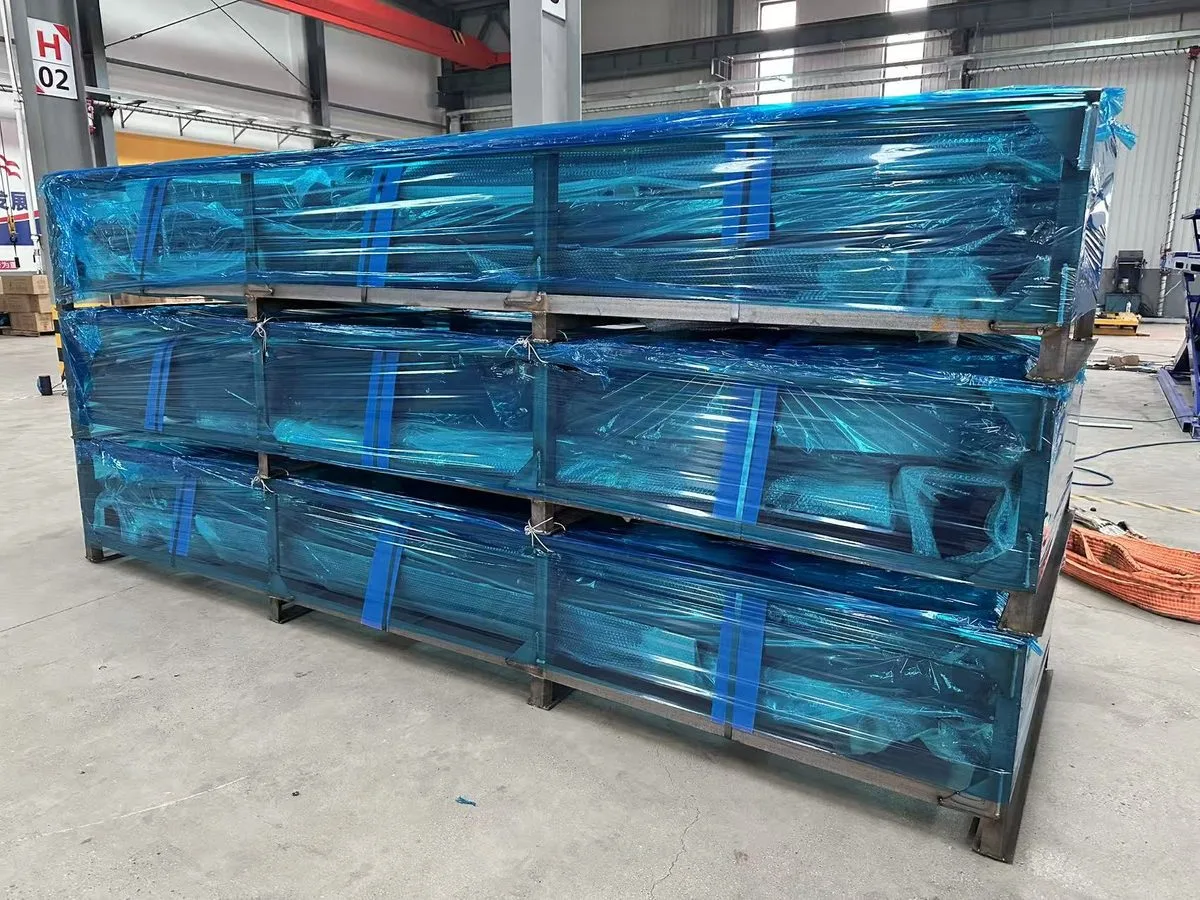
Mixed-model trial orders require a packing record that installers can understand after arrival. Match each package to the packing list, photograph key identifiers where appropriate, and distinguish accessories packed inside a machine from separate cartons. For larger consolidated shipments, review the garage equipment container loading plan before confirming the dispatch sequence.
The follow-up plan should already exist before shipment. Set dates for arrival inspection, installation feedback, operator comments and the final commercial review. Compare the results with the original objective rather than relying only on general impressions. A successful trial order is one that provides enough reliable information to approve, revise or reject the next purchasing step.
Turn the First Order Into a Repeatable Buying Record
Good trial-order planning creates a reusable record for future quotations and dealer discussions. Keep the approved configuration, artwork revision, inspection evidence, packing record and installation feedback together. This makes it easier to identify which details are fixed and which need another review when quantities increase.
Distributors planning an Autokato trial order can contact Autokato with the target market, equipment type, intended application, power requirements and expected order structure. The project can then be reviewed against actual model availability and technical feasibility.