Garage Equipment Container Loading Plan for Distributors
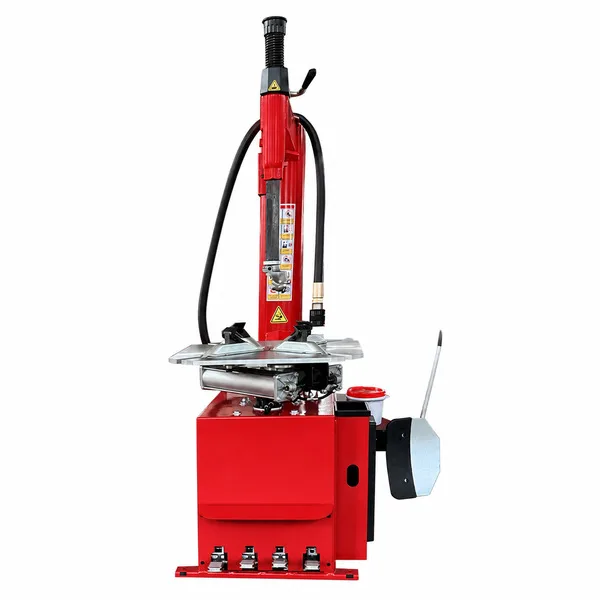
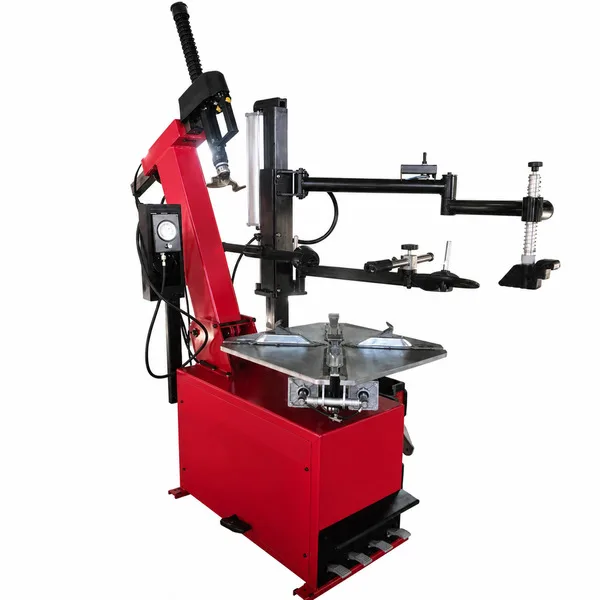
For a garage equipment distributor, container loading should be planned before the order reaches the shipping stage. Automotive lifts, tire changers, wheel balancers and related accessories differ in package size, weight, handling method and installation priority. A clear garage equipment container loading plan helps the supplier and buyer confirm what is being shipped, how packages are identified and which records should accompany the cargo.
The objective is not simply to place as many packages as possible into a container. The plan should protect equipment, keep model quantities traceable and support efficient receiving at the destination. It should also give the importer enough information to prepare unloading equipment, warehouse space and installation schedules before the shipment arrives.
Start with a Confirmed Package List
A loading plan should begin with the final purchase order and an itemized package list. For each model, record the quantity, package dimensions, gross weight, package type and any separate accessory cartons. These figures should come from the confirmed order and current packing data rather than estimates from an older model.
Mixed orders require extra attention. A shipment may combine automotive lifts with tire changers or wheel balancers. Even when the equipment belongs to the same workshop project, each package may need a different lifting point, stacking rule or unloading method. The loading list should therefore identify models individually instead of treating the shipment as one general equipment lot.
Check Packaging Before Loading
Packaging should be inspected before cargo enters the container. Confirm that frames, cartons or crates are complete; protective wrapping is secure; exposed surfaces are protected; and loose components cannot move freely during handling. Labels should remain visible and should match the packing list.
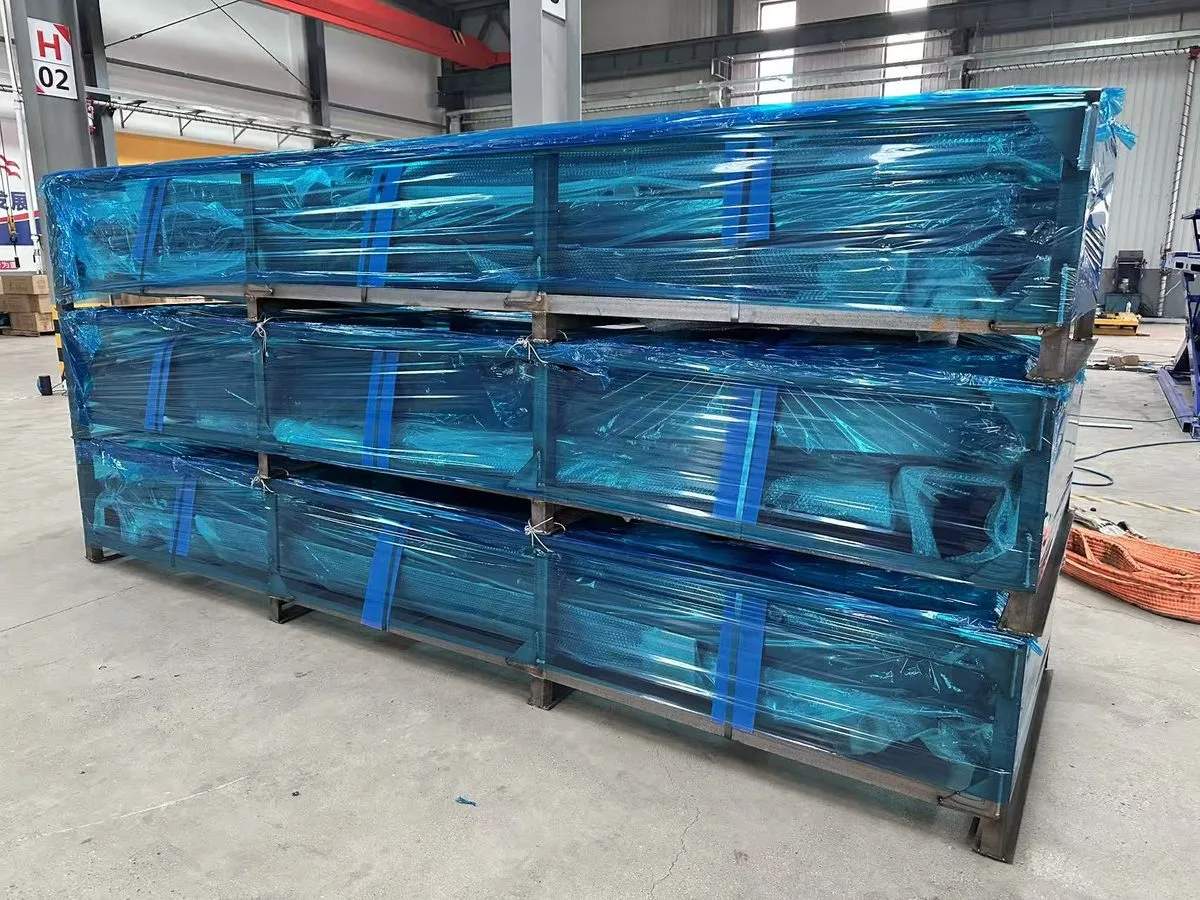
The photograph above shows automotive lift structures protected and arranged in steel transport frames. The specific packaging method should always be confirmed for the ordered model, destination and shipping conditions. Buyers should not assume that every product uses the same frame, wrapping material or stacking arrangement.
Plan the Loading Sequence Around Unloading
Loading order affects what happens at the destination. Packages that must be removed first should not be blocked by cargo that requires a different forklift, crane or unloading area. Heavy or structurally suitable packages normally form the basis of the loading sequence, while smaller cartons and accessories need designated positions where they can be found without being crushed or separated from the main machine.
The distributor should tell the supplier how the container will be received. Useful information includes whether unloading will take place at a warehouse or directly at a workshop, what handling equipment is available and whether several customer orders will be separated after arrival. These details allow the loading discussion to reflect the buyer's receiving process rather than focusing only on departure.
Keep Accessories and Spare Parts Traceable
Accessories, installation hardware and spare parts can be small compared with the main equipment, but missing cartons can delay installation or after-sales service. Each accessory package should be linked to the appropriate model or purchase-order line. When possible, carton numbers should appear on both the packing list and the physical label.
Distributors preparing an after-sales program can review our garage equipment spare-parts planning guide. The spare-parts list, manuals and installation documents should be checked independently from the main equipment count so that documentation readiness is not confused with cargo quantity.
Create a Loading Record Before Dispatch
A practical loading record can include photographs taken before loading, during the loading sequence and after the container is complete. The record may also show package labels, seal information and any packages secured in a special position. These images do not replace the commercial invoice, packing list or transport documents, but they provide useful visual references if the receiving team has questions.
Before dispatch, compare the final loading record with the confirmed order. Check model names, quantities, accessory cartons and document references. Any difference should be resolved before the container leaves. A controlled check is more reliable than attempting to reconstruct the shipment after it is already in transit.
Information Buyers Should Confirm with the Supplier
Distributors can make container planning more efficient by sending a concise requirement sheet. It should cover:
- Confirmed models and order quantities
- Destination and expected receiving method
- Any restrictions on package height, weight or handling
- Accessory and spare-parts identification requirements
- Label, manual and private-label packaging requirements
- Requested loading photographs and shipment records
These points help both sides identify issues while changes are still manageable. They are especially important for private-label orders, mixed-model shipments and projects where several workshop locations will receive equipment from one container.
Autokato Support for Distributor Shipments
Autokato supports professional buyers with automotive service equipment sourcing, OEM/ODM coordination and order follow-up. Buyers can review the broader Autokato garage equipment range and learn more about our project approach on the About Autokato page.
Container utilization and packaging arrangements depend on the selected models, confirmed quantities, package data and destination requirements. Autokato does not treat a general loading estimate as a final shipping commitment. The loading plan should be reviewed against the actual order before production and shipment details are finalized.
To discuss a mixed-model order or export preparation, contact Autokato with the equipment categories, quantities, destination and receiving conditions. Our team can organize the next technical and commercial review based on the information provided.