Tire Changer Air Supply Requirements for Workshops
Tire Changer Air Supply Requirements for a Professional Workshop
Correct tire changer air supply requirements are essential for reliable clamping, bead breaking and inflation work. A tire changer may have the right wheel capacity and motor power, but it will still perform poorly if the air line cannot maintain the pressure and flow required by the machine. Before installing a pneumatic tire changer, workshop owners should review the compressor, air treatment, hose layout and model-specific connection instructions as one complete system.
Confirm the Model-Specific Air Pressure
There is no single air-pressure setting for every tire changer. Passenger-car machines, assist-arm models and heavy-duty truck tire changers can use different pneumatic systems. Always check the rating plate and operating manual for the selected model before connecting the air supply. The workshop regulator should deliver stable pressure within the stated range rather than relying on the compressor tank pressure alone.
Pressure that is too low can make the bead breaker slow, reduce clamping force and create inconsistent assist-arm movement. Excessive pressure can damage seals, valves and cylinders or create unsafe operation. A regulated supply helps the machine work consistently throughout the day.
Size the Compressor for Air Flow as Well as Pressure
Buyers often compare only maximum pressure, but available air flow is equally important. The compressor must recover fast enough when the bead breaker, clamps and inflation system are used repeatedly. A small compressor may reach the required pressure when idle and then fall behind during busy tire-service periods.
Estimate the total demand of every machine connected to the same air network. Tire changers, air tools, vehicle lifts with pneumatic locks and cleaning guns may operate at the same time. For a growing shop, choosing useful reserve capacity can prevent pressure drop when more service bays are added later.
Use Clean and Dry Compressed Air
Water, rust and oil contamination can shorten the life of pneumatic valves and cylinders. A professional tire changer installation should include suitable filtration and moisture control. Drain the compressor tank regularly and inspect the water separator according to the maintenance schedule. In humid workshops or long air-line systems, additional drying equipment may be necessary.
The lubricator setting, when required by the machine design, should follow the model manual. Too much oil can contaminate the work area, while too little lubrication may increase wear in components designed for lubricated air.
Check Hose Diameter, Fittings and Pressure Drop
A narrow hose, restrictive quick connector or long undersized air line can reduce flow at the machine even when the compressor gauge looks correct. Use hose and fitting dimensions recommended for the tire changer. Keep the route practical, protect the hose from vehicle traffic and avoid sharp bends that restrict flow.
Measure pressure at the machine while pneumatic functions are operating. This dynamic check is more useful than reading pressure only when the system is idle. If the pressure falls sharply, inspect the regulator, filter, connector, hose length and compressor recovery rate.
Test Every Pneumatic Function Before Daily Service
After installation, test the bead breaker, turntable clamps, assist arms and inflation controls without a customer wheel. Listen for leaks and confirm that movements are smooth and predictable. Technicians should understand the pedal functions and keep hands clear of clamping and bead-breaking areas.
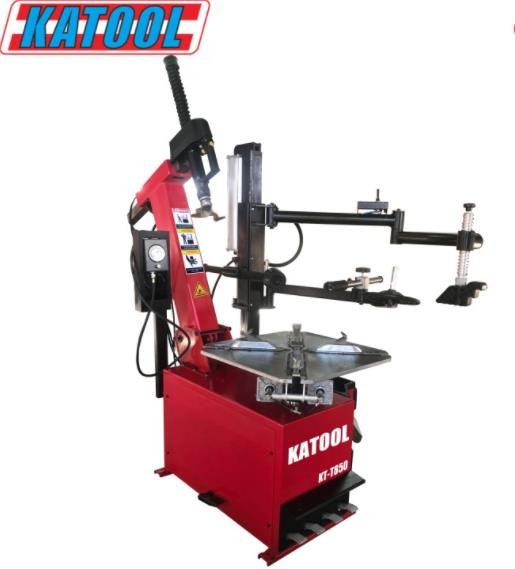
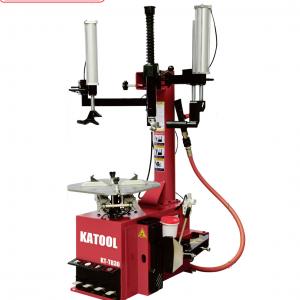
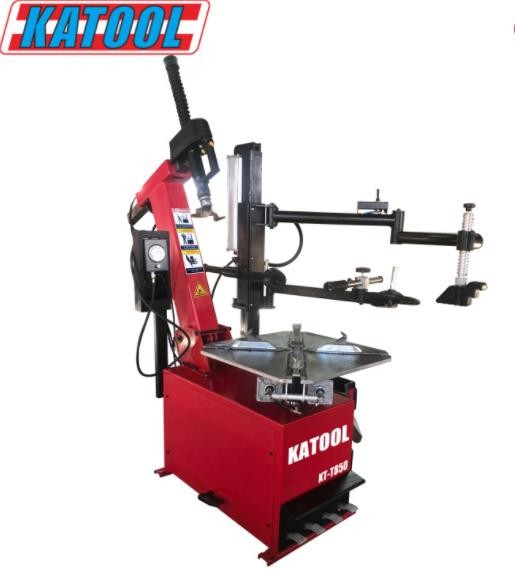
Shops evaluating a full-featured passenger-vehicle machine can review the KT-T850 tire changer. Buyers handling larger commercial wheels can compare the KT-T160 truck tire changer and confirm its separate installation requirements before ordering.
Plan the Complete Tire Service Workstation
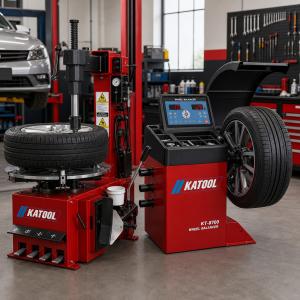
Air supply is only one part of the installation. The bay also needs the correct electrical connection, working clearance, wheel-handling space and a stable position for the machine. A nearby wheel balancer machine can create a more efficient tire-service sequence, but its location should not block the tire changer controls or air line.
Before commissioning the bay, record the regulator setting, hose specification, filter service interval and compressor maintenance plan. This gives technicians a clear reference when performance changes or a pneumatic leak appears.
Tire Changer Air Supply Installation Checklist
Confirm the model pressure requirement, available compressor flow, reserve capacity, air filtration, moisture drainage, hose diameter, fitting size, regulator position and leak-free operation. Test the machine under load and compare the result with the operating manual. Never increase pressure beyond the stated limit to compensate for an undersized hose or weak compressor.
Conclusion
A stable, clean and correctly regulated air supply helps a tire changer deliver dependable clamping and bead-service performance. Autokato Engineering provides OEM and ODM automotive service equipment solutions for brands, distributors and importers. Review the automotive service equipment range or contact Autokato with your wheel range, workshop voltage, air supply and target market.